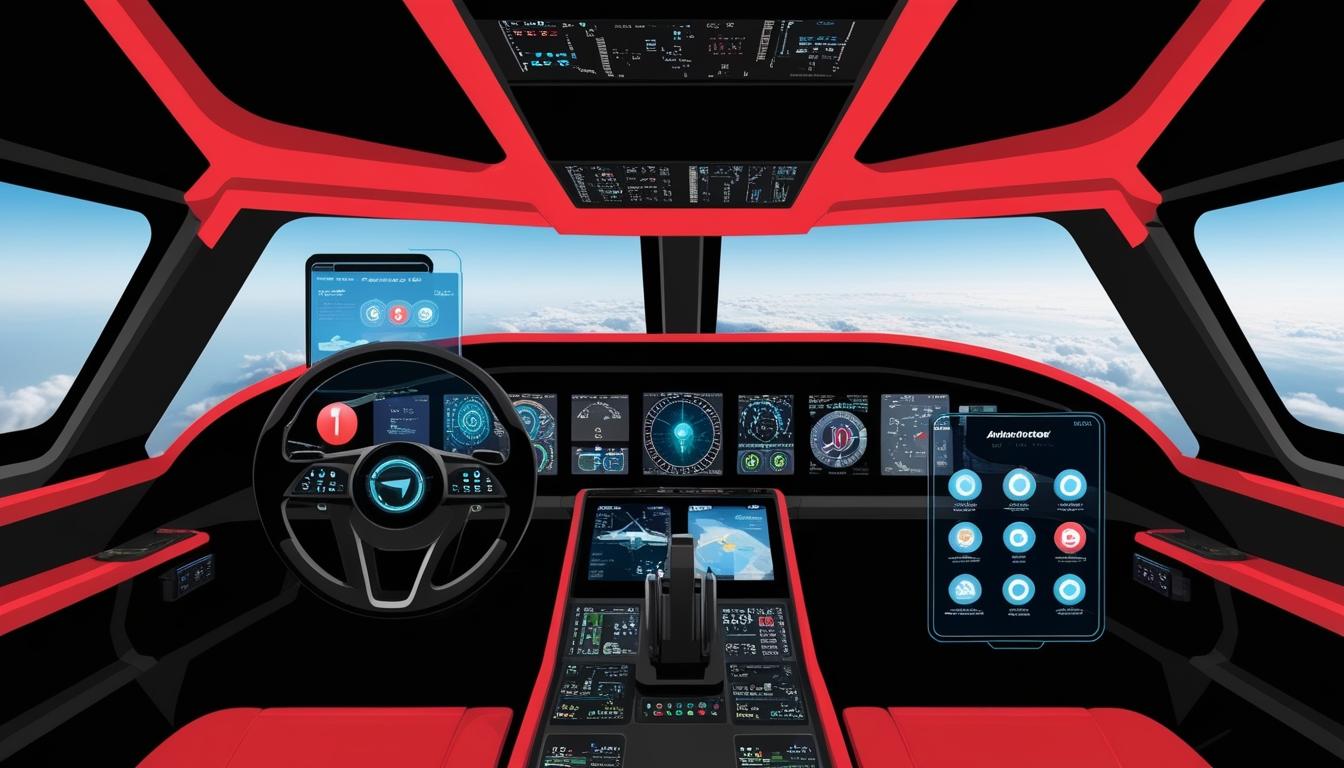
The aviation industry is witnessing a remarkable transformation due to the integration of artificial intelligence (AI) into cockpit design. Over the past decade, this technology has significantly altered various operational aspects, enhancing pilot performance and operational efficiency while prioritising safety. TechBullion reports that AI is reshaping how pilots engage with aircraft and make critical decisions during flights.
Historically, cockpits were cluttered with numerous mechanical instruments, requiring constant monitoring by pilots. The introduction of digital displays paved the way for the glass cockpit, characterised by expansive screens and fewer physical controls. Despite these advancements, the glass cockpit retained a heavy reliance on human input. The latest iteration, incorporating AI, is revolutionising this design by introducing intelligent systems capable of data analysis, predictive capabilities, and real-time decision-making assistance.
A central feature of this transformation is the development of intelligent flight assistance systems. These systems leverage advanced algorithms and machine learning models to continually assess aircraft performance, environmental conditions, and pilot actions. By analysing extensive data sets, AI can warn pilots about imminent hazards, suggest optimal flight paths to minimise turbulence, and even assist during emergency landings by identifying suitable airports.
An essential aspect of safe flight operations is situational awareness, which AI-driven systems enhance by continuously scanning the surroundings for weather changes, other aircraft, and ground obstacles. Unlike traditional data systems, AI can process information in real-time, presenting critical insights to pilots promptly. Furthermore, augmented reality displays are increasingly being implemented, overlaying important flight data over the pilot's immediate field of view, thus reducing distractions.
AI also plays a critical role in predictive maintenance, enhancing aircraft reliability by monitoring onboard systems for potential failures. This proactive capability allows maintenance crews to address issues before they escalate, such as anticipating the servicing needs of engines or electronics—contributing to reduced downtime and improved efficiency.
Moreover, the rise of automation in routine tasks, facilitated by AI, is relieving pilots of less critical responsibilities. Tasks such as power adjustments, fuel monitoring, and communications with air traffic control can be automated to some extent. This not only alleviates pilot fatigue but also decreases the likelihood of errors in high-pressure situations, particularly during prolonged flights.
The benefits of AI implementation in the cockpit are multifold. Notably, it has the potential to enhance safety by providing advanced decision-making tools, automate mundane processes, and streamline operational efficiency through optimal flight management strategies. Pilot training has also seen improvements, with AI-powered simulators offering tailored scenarios and feedback, enhancing readiness for real-world challenges.
However, alongside these advantages, the introduction of AI into cockpit design raises several challenges. A significant concern is the risk of over-reliance on automation, which could lead to a decline in manual flying skills among pilots. Finding an equilibrium between leveraging automation and retaining manual control is deemed critical.
Furthermore, as reliance on digital systems increases, the threat of cyber-attacks looms large. Safeguarding AI-driven cockpit systems from unauthorised access is necessitated to mitigate these risks effectively. Additionally, introducing AI requires stringent testing and compliance with aviation safety standards, posing both regulatory hurdles and potential delays in deployment.
Ethical questions are also brought to the forefront, particularly regarding AI's role in decision-making during critical situations. Determining the degree to which AI should operate autonomously poses complex challenges that necessitate thorough consideration.
Looking ahead, the role of AI in cockpit design is expected to expand further. Future cockpit configurations may even incorporate fully autonomous systems capable of executing complete flights with little to no human intervention. However, it is anticipated that pilots will transition to supervisory roles, overseeing AI systems rather than replacing them entirely.
Advancements in machine learning, natural language processing, and augmented reality will continue to bolster the capabilities of AI within aircraft environments, ultimately leading to greater safety and comfort for passengers. The trajectory of AI in aviation indicates a forthcoming era where human pilots and advanced systems will work harmoniously, ushering in an advanced phase of air travel characterised by enhanced safety and operational efficiency.
Source: Noah Wire Services