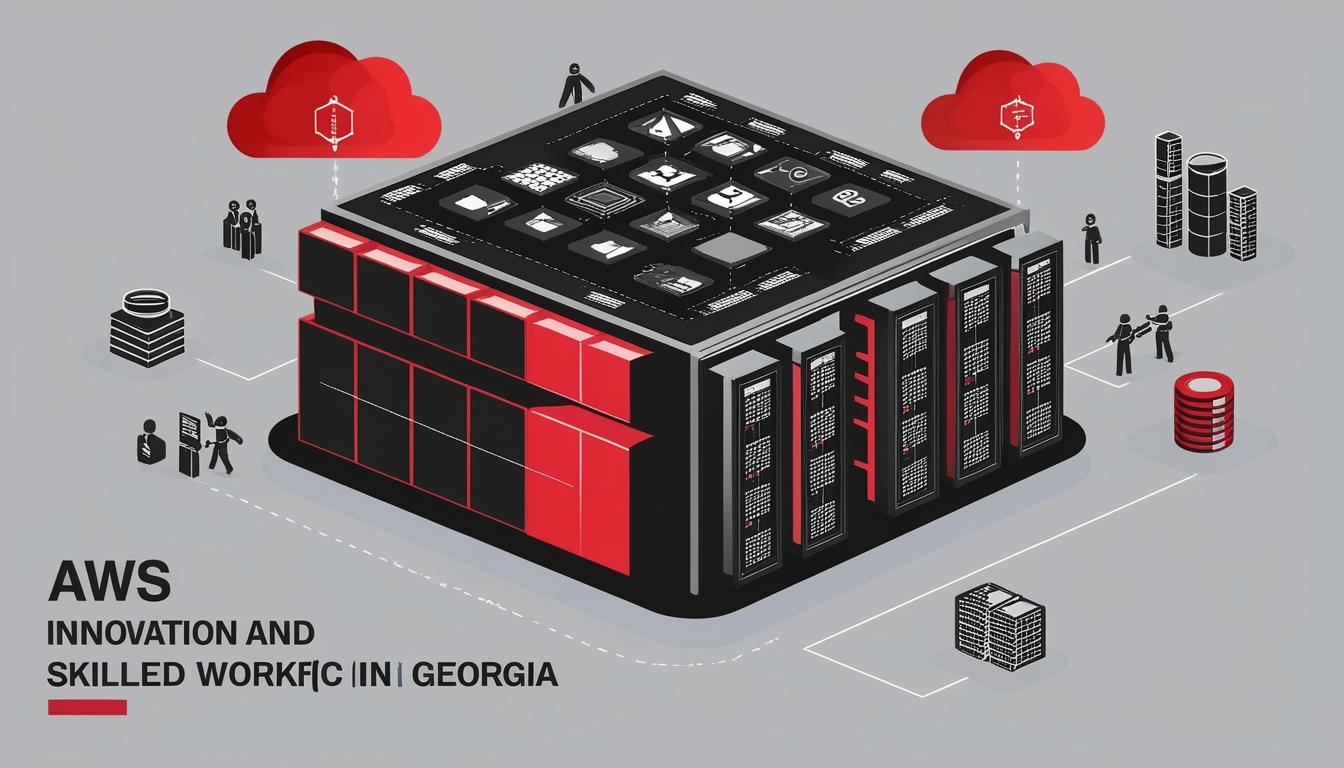
Amazon Web Services (AWS) is poised to make a significant investment of $11 billion in Georgia, targeting advancements in cloud computing and artificial intelligence (AI) technologies. This substantial financial commitment is projected to create over 550 skilled jobs and is indicative of Georgia's growing reputation as a technology hub. The announcement was made during a press briefing on January 7, where AWS outlined its strategy to bolster digital innovation for its customers through enhanced cloud and AI solutions.
According to AWS's economic development leader, the decision to invest in Georgia stems from the state’s supportive business environment and the collaborative efforts of local and state leaders in fostering growth. The expansion will primarily consist of establishing new data centres across Georgia, which are expected to generate numerous employment opportunities not only within AWS but also in the construction and data centre supply chain sectors.
The increasing demand for AI capabilities in the technology industry is a critical driver behind AWS's investment. As businesses develop an appetite for robust infrastructure to support AI initiatives, major tech firms are mobilising to fortify their cloud services. This trend is echoed by Microsoft’s recent commitment of $80 billion towards AI-focused data centres across the United States, highlighting the competitive landscape for emerging AI technologies.
The AWS investment is not merely financial but also strategic, as it seeks to cement the company’s leadership in the expanding domains of cloud computing and AI. The advanced data centres planned for Georgia will incorporate state-of-the-art technologies aimed at supporting intensive computational functions and big data analytics. These facilities will feature high-performance servers, energy-efficient cooling systems, and sophisticated network infrastructures suitable for handling vast amounts of data.
A vital aspect of AWS’s investment is the anticipated creation of over 550 skilled roles, which include positions such as data centre engineers and AI specialists. This aligns with the broader trend in the technology sector that increasingly favours specialisation in cloud and AI disciplines. Beyond direct employment, the project is expected to spur thousands of related job opportunities, particularly in construction and the associated supply chains.
Sustainability remains a focal point of AWS's growth strategy, as the company aims to embed eco-friendly designs within its data centres, striving to meet rigorous environmental standards. This commitment not only enhances AWS's operational framework but positions Georgia as a prime area for AI and cloud technology advancements.
In parallel, technology-driven changes are significantly affecting employment dynamics in other sectors, notably the shipping industry. The sector is undergoing a transformation as it embraces digitalisation and automation, reshaping job roles, skill requirements, and the overall workforce landscape. Automated systems are being introduced for cargo handling, navigation, and vessel operations, enhancing efficiency while simultaneously diminishing the need for manual labour.
As automation takes hold, there is a heightened demand for skilled workers proficient in advanced technological functions, including IT, data analytics, and cybersecurity. Shipping companies are increasingly seeking employees who can manage digital platforms, analyse extensive data sets, and implement automated processes.
Traditional roles within the shipping industry are also evolving, requiring professionals to adapt to new navigation systems, advanced engine technologies, and digital tools for supply chain management. Remote operations are becoming more prevalent, allowing for real-time vessel monitoring, reducing the necessity for on-site staff, and fostering flexible working arrangements.
Although automation may lead to the diminishment of certain manual roles, it simultaneously fosters innovation and the emergence of new career paths, particularly in research and development, engineering, and project management. This technological evolution within the shipping industry underscores the necessity for continual training and workforce development, ensuring employees possess the requisite skills to thrive in a progressing landscape.
As industries like technology and shipping adapt to these changes, the integration of sophisticated technologies stands to reshape the future of work, necessitating both employees and employers to embrace evolving methodologies to enhance efficiency, drive innovation, and create novel opportunities.
Source: Noah Wire Services