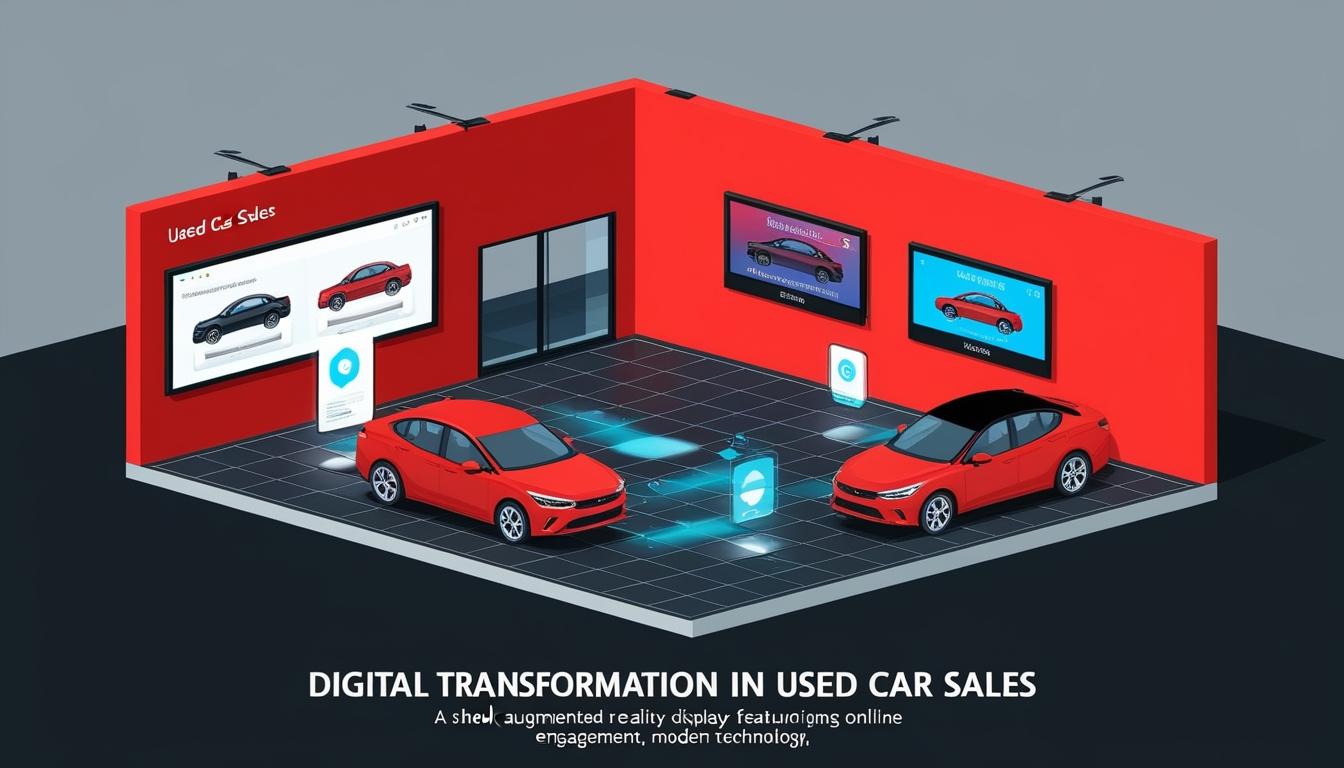
The landscape of the used car industry has undergone a significant transformation due to the rise of digital technology, a shift that has been accelerated by the global pandemic. As digital solutions become increasingly popular, car dealerships are adapting to these changes to meet the evolving expectations of consumers.
A report from TechBullion indicates that today’s consumers prefer to research and browse vehicles online before physically visiting a dealership. This trend underscores how digitization has permanently altered the dynamics between consumers and the car sales industry. The introduction of technologies such as augmented reality (AR) and virtual reality (VR), alongside 360-degree imagery, has contributed to a decline in foot traffic at traditional car showrooms. In response, dealerships are embracing digital solutions to boost sales and enhance customer engagement.
This surge in digitization within the used car market can be attributed to three key factors:
Firstly, digitization enhances customer retention. Today’s customers demand a seamless digital experience, often preferring to gather information independently rather than relying solely on salespeople. Businesses that offer an improved digital experience are likely to attract more customers, thereby increasing sales. Moreover, digital tools enable dealerships to analyse customer behaviour through collected data, allowing sales teams to tailor offers and drive further engagement.
Secondly, digitisation facilitates a reduction in operating costs. By uploading their entire inventory online, car dealerships can provide detailed information about each vehicle without necessitating in-person visits. This transition not only cuts down on expenses related to real estate and operational overhead but also requires fewer employees on the ground. The implementation of innovative digital solutions is thus becoming essential for businesses looking to optimise their operational efficiency.
Lastly, advancements in digital technology enhance vehicle damage detection. Accurately assessing the condition of vehicles is vital for determining resale values, yet traditional manual inspections are time-consuming and labour-intensive. Companies like Inspektlabs are innovating in this area by employing machine learning algorithms trained on vast datasets of vehicle images and videos. Their technology allows for a swift and efficient 360-degree scan of vehicles, generating comprehensive condition reports in mere seconds. This efficiency significantly reduces the resources allocated to inspections while improving accuracy and transparency, ultimately fostering consumer trust.
As consumer demand for digital-first experiences in vehicle purchasing continues to rise, it becomes imperative for used car dealerships to implement these technologies. Accelerating the adoption of digital solutions can lead to improved sales, higher customer retention rates, and substantial savings on operational costs. Conversely, failure to adapt to these shifts may result in lost business opportunities and reduced clientele.
In summary, the integration of advanced digital tools is reshaping the used car industry, prompting a significant realignment of business practices to meet the expectations of today’s digital-savvy consumers. The ongoing evolution of this landscape is likely to influence how dealerships operate and interact with customers in the future.
Source: Noah Wire Services