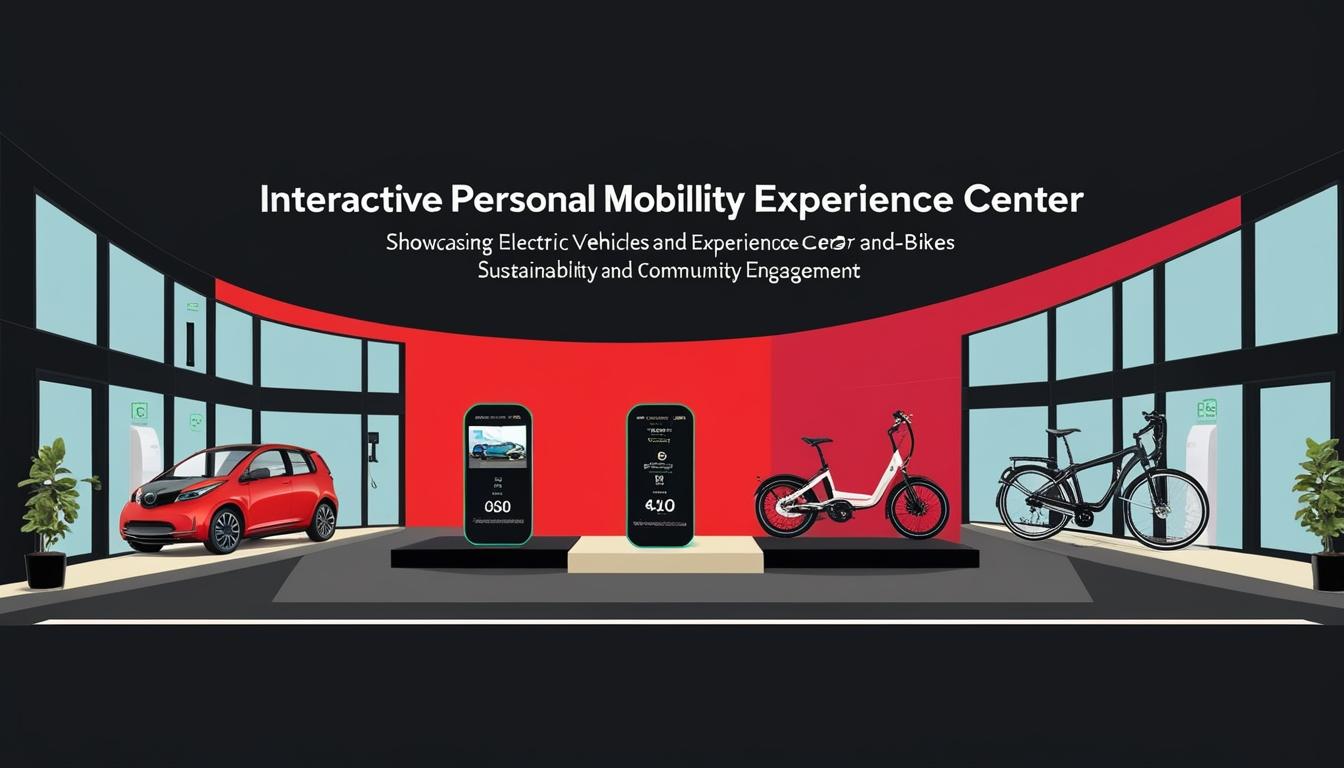
The personal mobility landscape is undergoing a significant transformation, driven by advancements in electric vehicles (EVs), autonomous technology, and digital services. A pivotal component of this evolution is the establishment of Personal Mobility Experience Centers (PMECs), which aim to democratise and personalise transportation options for consumers.
PMECs, unlike traditional auto dealerships, are designed not just as sales points but as interactive spaces where individuals can engage with a variety of mobility solutions. By providing opportunities to interact with electric vehicles, autonomous vehicles, e-bikes, and other micro-mobility options, these centres allow customers to experience the benefits and practicalities of modern technologies first-hand. The goal is to reduce consumer hesitation and promote a deeper understanding of these emerging technologies. Through initiatives such as test drives and educational sessions about charging infrastructure and ride-sharing options, PMECs aim to foster acceptance and enthusiasm for sustainable mobility.
Accessibility is a crucial element of the PMEC initiative. Many communities, particularly in rural and suburban regions, often lack immediate access to innovative mobility options. PMECs address this issue by establishing locations in areas that have traditionally been overlooked by automotive services, thus connecting underserved communities with modern transportation solutions. For example, a PMEC located in a smaller town may introduce residents to electric bicycles, providing viable alternatives for short commutes where public transport may be limited.
Education is another key focus of PMECs. Recognising that hesitancy around adopting electric or autonomous vehicles often stems from a lack of knowledge, these centres provide a wealth of resources, including demonstrations and workshops. Trained staff are available to assist consumers, helping them understand the functionalities of various mobility technologies. As the market introduces an influx of new EV and micro-mobility models, the educational opportunities provided at PMECs play a significant role in enabling informed choices. For instance, workshops may cover essential topics such as charging best practices or maintaining electric bikes, empowering users to better integrate these technologies into their lifestyles.
The emergence of PMECs aligns with global sustainability efforts. With increasing pressure on governments and organisations to reduce carbon emissions, PMECs actively support these objectives by promoting electric and shared mobility solutions. By showcasing a range of environmentally friendly transportation options, these centres help customers align their transportation choices with their sustainability values. Visitors can learn about the environmental impacts of their transportation decisions and explore viable alternatives to fossil fuel-reliant vehicles.
Incorporating digital technologies, PMECs enhance user experiences through personalised and user-friendly interfaces. Many of these centres employ augmented reality (AR) and virtual reality (VR) tools, allowing visitors to explore different vehicle models and features interactively. Furthermore, digital platforms facilitate ride bookings, subscription services, and car-sharing options tailored to individual needs, thereby increasing the convenience and appeal of exploring various mobility solutions.
The community aspect of PMECs is integral to their mission. By hosting events and workshops focussed on personal mobility, PMECs encourage interaction and idea-sharing among users. This social dimension not only enriches the consumer experience but also fosters brand loyalty, as individuals who engage with PMECs for educational purposes may return for community events or new technology showcases, further solidifying their connection to both the brand and the broader community.
As the world moves toward innovative and sustainable mobility, PMECs emerge as vital conduits between advanced technologies and everyday users. By making personal mobility experiences accessible, educational, and community-oriented, PMECs play a crucial role in demystifying and normalising the adoption of modern transportation solutions. Ultimately, they transform personal mobility from a distant concept into a tangible reality that individuals can directly engage with in their communities.
Source: Noah Wire Services