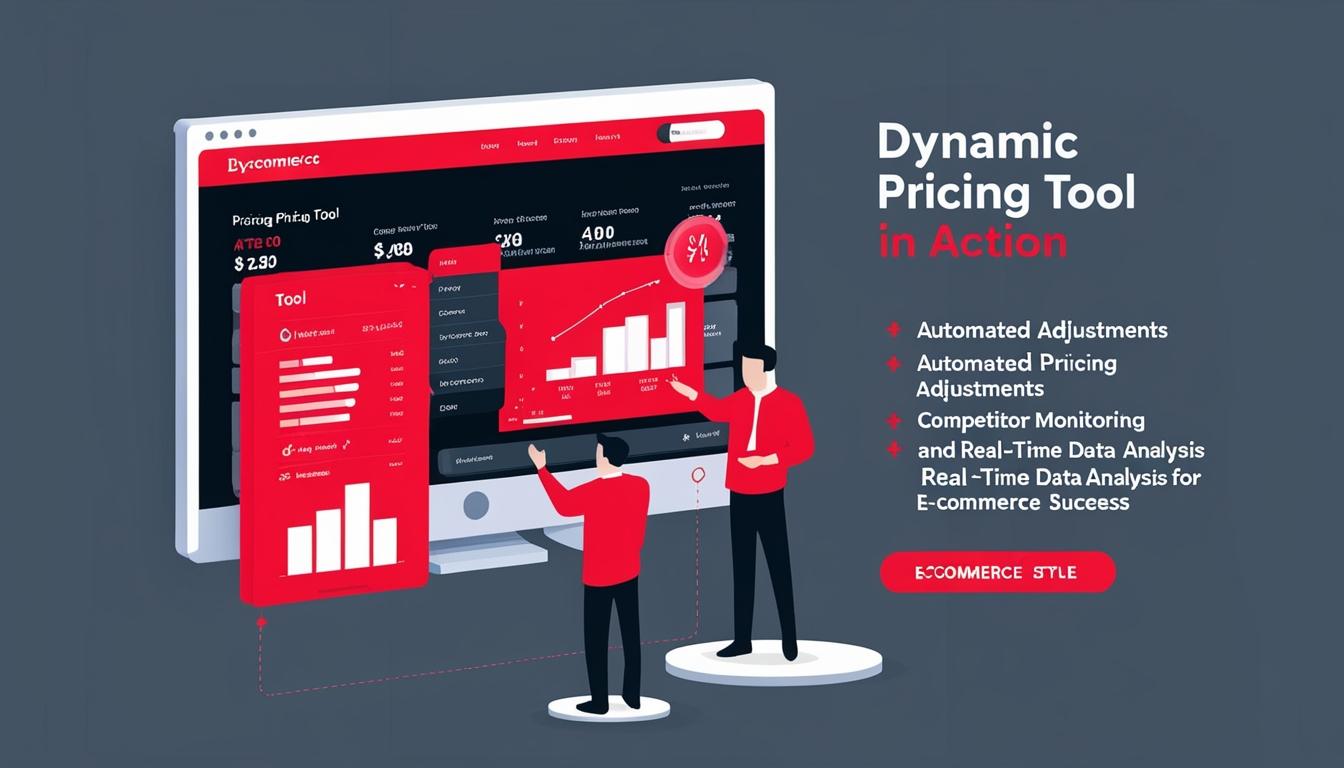
The e-commerce sector continues to evolve rapidly, and with it comes an intensified competition that demands innovative strategies from online retailers. As businesses manoeuvre through a landscape populated not just by local shops, but global giants that operate uninterrupted, the implementation of advanced pricing tools has emerged as a vital component in maintaining competitiveness. TechBullion highlights that these tools provide e-commerce operators with the ability to monitor competitors effectively, thus optimising pricing strategies without exhausting valuable resources.
Pricing tools serve as critical assets for online retailers. They function by collecting and analysing real-time data on competitor prices, market trends, and consumer behaviour. This data enables retailers to focus on strategic decision-making rather than the tedious task of manual competitor tracking. By employing dynamic pricing strategies—where prices adjust in response to market conditions—these tools automate much of the pricing process. This not only helps to keep prices competitive but also ensures profitability.
Competitor monitoring is crucial for success in e-commerce. Retailers need to understand the offers and pricing strategies of their competitors to effectively position their products. According to TechBullion, modern pricing tools excel in this area, continuously scanning the market for price changes and promotional activities. This automated surveillance becomes indispensable for retailers managing extensive inventories, allowing them to respond swiftly to shifts in market dynamics.
A notable advantage of contemporary pricing tools is their capability to automate pricing decisions. Users can establish pricing parameters, and the tool will automatically adjust prices to remain within a desired range compared to key competitors. This level of automation not only conserves time but also minimizes human error, which can significantly affect profitability. During peak shopping periods, where pricing agility is critical, automated tools provide a smooth operational flow, minimising disruptions and maximising sales potential.
TechBullion details how a pricing tool can facilitate comprehensive competitive price analysis across an entire product catalogue. This analysis enables retailers to gauge pricing trends and performance for each item they sell. By identifying opportunities for competitive pricing or for implementing strategic bundling, retailers can make informed decisions that align with their business objectives, whether they aim to maximise profits or enhance sales volume.
The ever-changing dynamics of the e-commerce market necessitate a responsive approach from retailers. With fluctuating prices due to demand, stock levels, and seasonal patterns, staying abreast of market shifts is essential. Pricing tools alert retailers to significant alterations in competitors’ pricing strategies, enabling them to react promptly, whether it involves matching a promotional price or seizing an opportunity to raise prices when demand peaks.
Moreover, the insights provided by pricing tools go beyond mere competitive monitoring. They furnish actionable data that can inform broader business strategies. The insights gleaned can indicate which product lines warrant expansion or, conversely, signal the need to retract from categories witnessing declining interest. Armed with such data, e-commerce operators can refine promotions and optimise sales campaigns, ensuring that business strategies are grounded in empirical evidence rather than assumptions.
Profitability remains a top concern for e-commerce operators, particularly when balancing competitive pricing against profit margins. Setting minimum and maximum price thresholds through rule-based automation enables retailers to retain competitiveness while safeguarding against margin erosion. Additionally, monitoring competitors’ inventory levels can present strategic pricing opportunities, such as raising prices when competitors experience out-of-stock situations, thereby capturing additional sales without resorting to discounting.
Consumer expectations have also shifted markedly, with today’s shoppers armed with price comparison tools and review platforms. Consequently, they demand transparency and perceived value from retailers. Pricing tools assist in meeting these consumer demands by aligning prices with market trends while fostering a perception of reliability and responsiveness.
In summary, the current landscape of e-commerce underscores the necessity of leveraging advanced pricing tools to remain competitive. From streamlining competitor monitoring to automating pricing adjustments, these technologies empower online retailers to navigate the complexities of an ever-evolving market successfully. By adopting a data-driven approach and maintaining responsiveness to market conditions and consumer expectations, retailers can ensure their operations are not only profitable but also capable of delivering enhanced value to customers.
Source: Noah Wire Services