In the evolving landscape of technology, the introduction of “massive onderdelen,” or massive components, is poised to significantly transform the manufacturing and construction sectors. This concept revolves around the production of oversized parts that not only promise enhanced engineering capabilities but also stand to reshape entire industries.
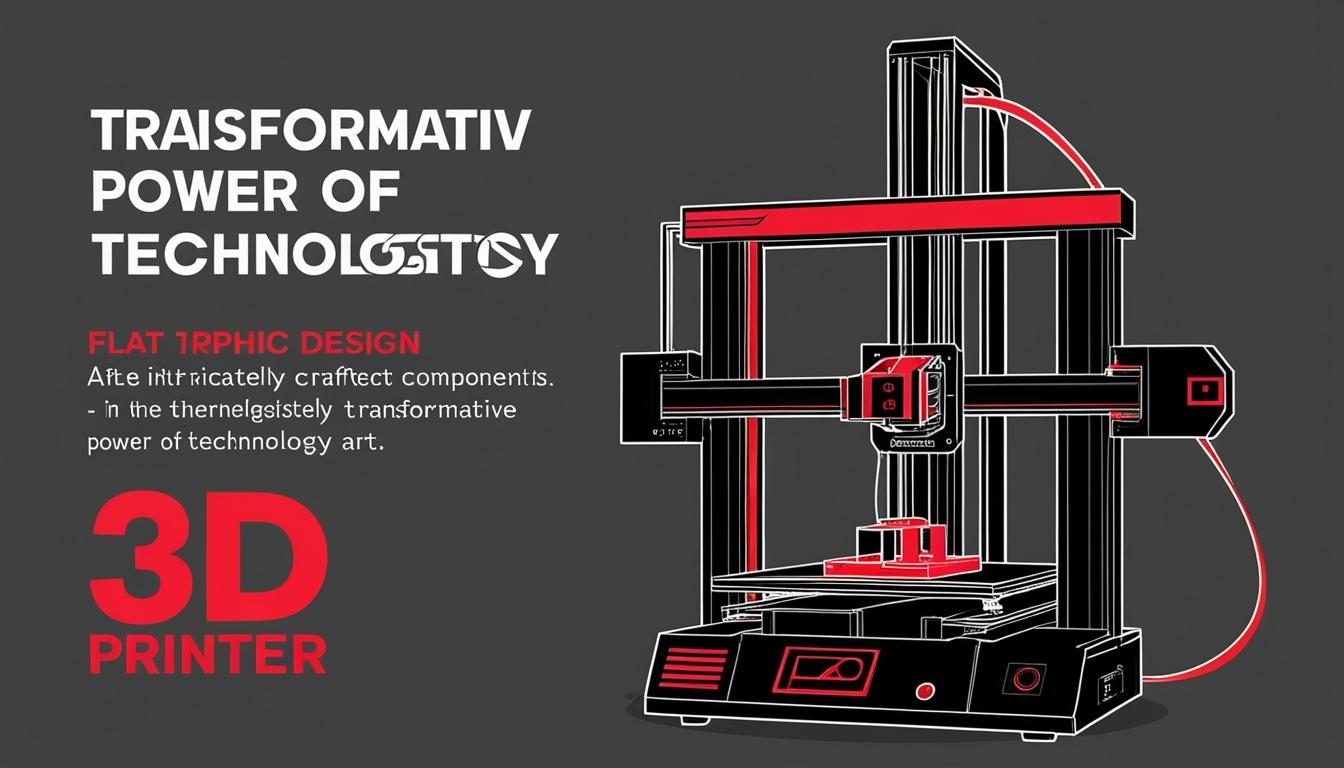
One of the pivotal forces driving this transformation is additive manufacturing, widely recognised as 3D printing. The technology is advancing beyond its traditional role of producing small, intricate items, moving towards the capacity to create large-scale components, such as aircraft and skyscrapers, in a singular, colossal piece. This innovation enhances structural integrity while simultaneously reducing assembly time and associated costs, marking a shift in production methodologies.
The current focus on sustainability prioritises the adoption of massive onderdelen as a greener manufacturing alternative. Traditional manufacturing processes often waste considerable material through cutting and shaping excess, leading to inefficiencies and increased environmental impact. In contrast, massive components are crafted with precision, utilising only the materials necessary for construction. This method not only has the potential to decrease carbon footprints but also facilitates a more sustainable industrial framework.
Despite being in the early stages of adoption, the momentum behind massive onderdelen is gaining traction, particularly in industries such as aerospace and architecture. Industry experts are optimistic that as this technology continues to evolve, a wide array of sectors will harness the benefits of these substantial creations for both operational effectiveness and economic advantages. The timely emergence of massive components is considered a precursor for sweeping changes across various sectors.
However, the rise of these technologies prompts broader questions regarding their impact on workforce dynamics. The introduction of automation into manufacturing raises concerns surrounding the potential obsolescence of traditional manual labour roles. While apprehensions about job losses loom, there is speculation regarding the creation of new employment opportunities in areas such as design, maintenance, and oversight of innovative technologies. This transition may necessitate significant reskilling initiatives to align human expertise with the capabilities of automated systems.
Furthermore, the implementation of massive components presents unique challenges and opportunities in infrastructure management and logistics. The transportation and assembly of such large-scale parts require fresh strategies to navigate the inherent difficulties. Although these challenges are significant, they also pave the way for innovations within logistics and urban planning, sparking potential advancements in industry practices.
A diverse range of applications for massive onderdelen continues to emerge while acknowledging that not all industries may benefit equally from the technology. The specific requirements and limitations of different sectors could influence their ability to adopt these advancements. Issues surrounding scalability and applicability could pose hurdles to broader acceptance in industries with more rigid demands.
From a global perspective, adopting massive components may drastically reduce the time and cost associated with infrastructure development, particularly in underdeveloped regions. This could catalyse economic progress and growth. Nonetheless, the rapid deployment of such technologies brings forth environmental and ethical implications that warrant careful consideration, balancing the need for advancement with the principles of sustainability and social responsibility.
As the dialogue surrounding massive onderdelen unfolds, the implications for the manufacturing industry and the broader economy remain in focus. Industry stakeholders are encouraged to keep abreast of these developments for future insights into industrial transformations and sustainable innovations.
Source: Noah Wire Services