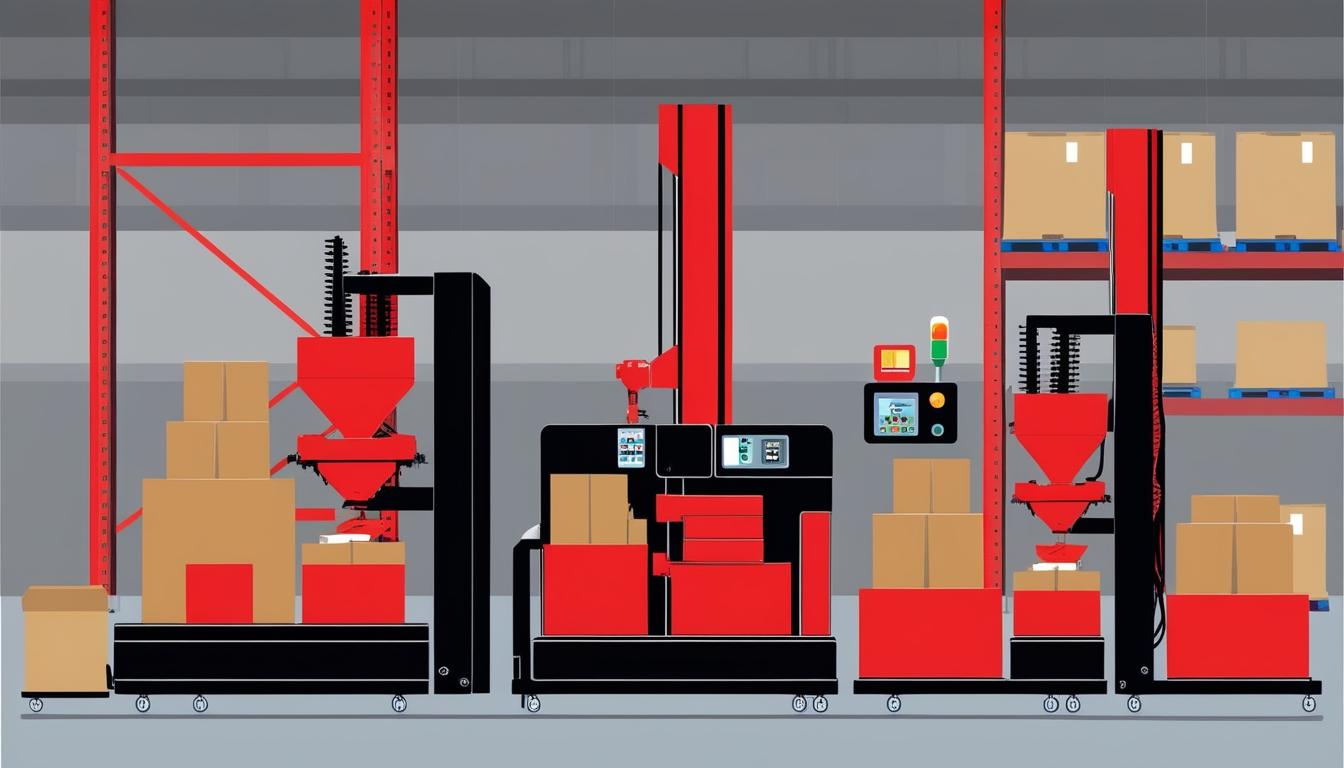
In recent years, the evolution of warehouse operations has led to a significant transformation in the way businesses approach packaging, blurring the lines between traditional packaging manufacturing and warehousing. According to "Supply and Demand Chain Executive," the advancement of automation technologies has enabled companies to introduce right-sized packaging solutions directly within warehouses, tailoring boxes to fit specific stock-keeping units (SKUs). This innovation minimises waste, reduces costs and enhances the overall customer experience—as the demand for personalised and efficient e-commerce delivery continues to rise.
Historically, the manufacturing of packaging materials occurred separately from their storage, often leading to inefficiencies such as mismatched sizing and an excess of packaging materials. However, the latest automated systems leverage data collection and analysis to streamline this process, allowing businesses to create precisely sized packaging on-site. These systems employ advanced machine learning algorithms and imaging technology—utilising both 2D and 3D approaches—to assess packaging integrity, identify labels, and evaluate contents, thus ensuring optimal fit for the products being shipped.
The growing importance of sustainability in business practices has also positioned right-sized packaging as a crucial factor for companies aiming to meet eco-friendly goals. Larger boxes often result in wasted space and excess material that traditional packaging methods do not address. Right-sized packaging not only diminishes this waste by producing boxes that match products’ dimensions but also employs eco-friendly materials. By moving towards corrugated materials that are more easily recyclable and by minimising the use of adhesives, companies can bolster their sustainability efforts. As noted in the report, about two-thirds of consumers consider sustainable packaging important in their purchasing decisions, reflecting a broader trend toward environmental consciousness among shoppers.
Additionally, the implementation of automated right-sized packaging systems contributes to reductions in labour costs. By minimising the need for manual intervention in the packaging process, employees can focus on higher-value tasks, enhancing overall productivity. In kitting operations, where multiple components are packaged together, automation significantly reduces preparation time and worker involvement, streamlining order fulfilment.
The financial benefits of right-sized packaging extend beyond operational efficiencies to influence shipping costs directly as well. Carriers typically charge higher rates for oversized or poorly filled boxes, resulting in inflated shipping expenses for businesses. By implementing precise packaging solutions, firms can avoid these additional costs associated with dimensional weight and excess space. Furthermore, appropriately sized boxes optimise palletisation processes, leading to lower transportation costs and reduced carbon footprints—addressing both economic and environmental considerations.
Customer experience is another pivotal area positively impacted by right-sized packaging. As online shopping grows, consumer expectations for the unboxing experience increase. Thoughtfully designed packaging that fits products correctly not only protects items during transit but also contributes to customer satisfaction and loyalty. Brands can create packaging that aligns with their identity, adding cohesion to the buying experience from online interface to physical delivery, thereby fortifying customer connections.
As the packaging industry continues to evolve, there is a notable shift from product development to the advancement of operational systems. Right-sized packaging exemplifies this trend, underscoring a fundamental change in operational strategies that prioritise sustainability and efficiency. By deploying modular, repeatable solutions, businesses can enhance their warehouse functions, deliver superior products, and improve the customer experience, all while working towards reducing their environmental impact. In summary, right-sized packaging is positioned as a key innovation shaping the future of warehousing and logistics, promising a more efficient, sustainable and customer-centric approach in the realm of business practices.
Source: Noah Wire Services