At the ongoing CES (Consumer Technology Association) in Las Vegas, automotive manufacturers are making significant strides in enhancing the in-vehicle experience with a particular focus on artificial intelligence, automation, and consumer comfort. This annual trade show has attracted numerous attendees keen to see the latest innovations that will shape the future of driving.
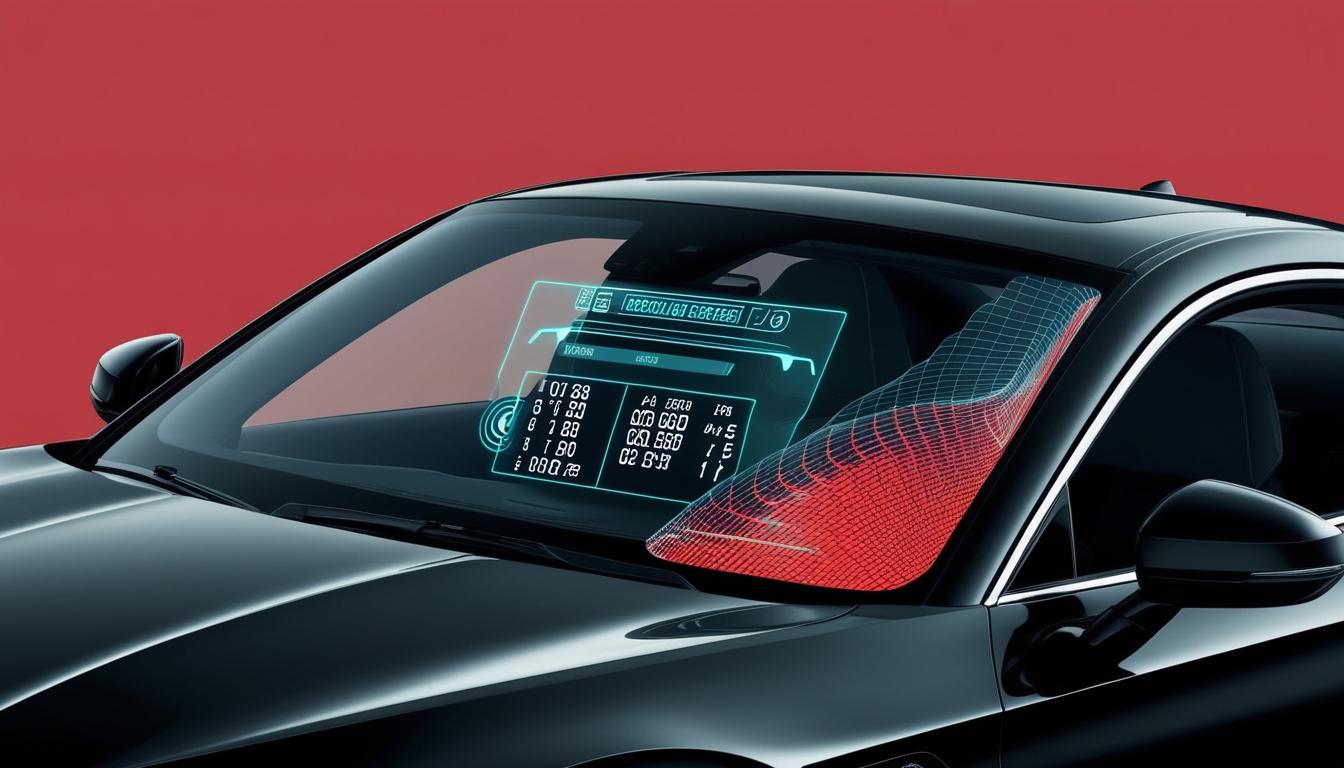
Hyundai Mobis has unveiled its full-windshield holographic technology, which projects essential information such as driving speed and safety alerts across the entire windshield. The technology, which is expected to be commercially available in several years, aims to make it easier for drivers to view critical data while keeping distractions at bay. Axel Maschka, executive vice president and head of the business division at Hyundai Mobis, articulated that these innovations aim to enhance the onboard experience, stating that for many consumers today, “this ‘living space’” of a car’s interior has become a dominant part of a vehicle’s appeal.
The holographic display further allows front-seat passengers to engage with entertainment options like movies and video games without obstructing the driver’s view. This concept aligns with the overarching goal of car manufacturers to minimise distractions for drivers. Ian Reagan, a senior research scientist at the Insurance Institute for Highway Safety, cautioned about the risks associated with visual displays, highlighting that “driver distraction is a big concern.” Reagan underscored the importance of simplifying information presented to drivers to maintain road safety.
BMW is also making waves with its introduction of the new Panoramic iDrive and Operating System X, set to be integrated into new models later this year. The system will customise the driving experience, allowing for personalisation through varied colours and apps while ensuring that only critical information remains visible to the driver. Stephan Durach, BMW’s Head of UI/UX Development, expressed concern over the notion that vehicles should operate like smartphones, emphasising the need for minimalist displays that reduce distractions.
In collaboration with Sony, Honda’s newly established Sony Honda Mobility is showcasing the upcoming “Afeela 1,” an electric vehicle equipped with an interactive AI-powered voice assistant. CEO Yasuhide Mizuno shared that this assistant is designed to engage passengers in conversation and provide useful insights during drives. Set to launch in mid-2026, the Afeela 1 will also boast a panoramic screen filled with entertainment options, positioning itself as a competitive player in the EV market.
Furthermore, Honda is introducing its “AISMO OS” in its forthcoming 0 series of electric vehicles. This operating system will facilitate a blend of automated driving and advanced driver assistance features alongside in-car infotainment. Katsushi Inoue, the global head of electrification business development at Honda, stated that the system will continuously improve its personalisation for drivers, reinforcing the trend towards tailored user experiences in automotive technology.
Despite the enthusiasm surrounding these new innovations, concerns about safety and usability persist. Reagan pointed out that drivers interacting with partially automated systems may experience heightened distraction, suggesting that constant readiness for changes in vehicle assistance can detract from driving focus. The varying performance of AI-powered voice assistants further complicates the matter; some systems may frustrate users if they require complicated interactions.
Beyond in-vehicle experiences, CES also highlighted the expanding electric vehicle (EV) infrastructure, showcasing efforts to bolster accessibility for consumers. Honda revealed ambitions to ensure its 0 series owners will have access to over 100,000 charging stations by 2030, coupled with plans to explore personalised charging experiences, potentially leveraging AI technology from Amazon Web Services to simplify the search for charging facilities and payment processes.
The CES event illustrates a growing trend where automakers are investing in advanced technologies to improve safety, comfort, and overall user experience in vehicles. As the automotive industry evolves, the impact of these innovations will likely reshape business practices and consumer expectations in the coming years.
Source: Noah Wire Services