CES 2025, held in Las Vegas, has turned the spotlight on the remarkable advancements in robotics, showcasing an array of innovative machines designed for both fun and functionality. The event, which has attracted tens of thousands of visitors, highlighted how artificial intelligence (AI) and engineering are driving the evolution of robots capable of performing diverse tasks.
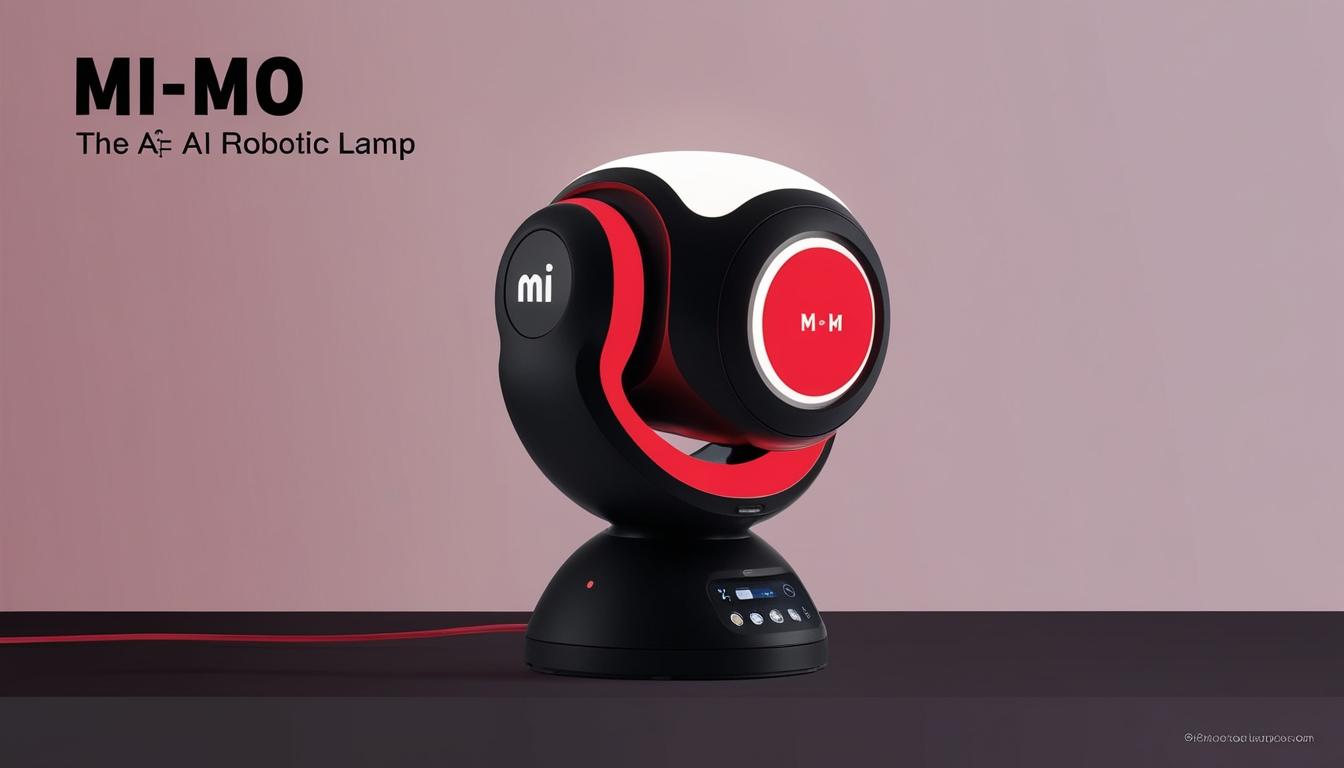
Among the standout innovations is Mi-Mo, a captivating robotic lamp developed by Jizai. This AI-driven robot appears as a blend of a traditional side table and the iconic Pixar lamp, featuring capabilities that extend far beyond mere aesthetics. Its layers of AI software allow it to learn and adapt to various environments, making it a versatile addition to any space. Developers will soon have access to a toolkit for creating applications and software tailored to Mi-Mo, with prices for advanced models reaching up to $30,000.
R2D3, another notable entry, represents the growing trend of home assistant robots. This droid is equipped with learning AI, interchangeable hardware, and sensors for environmental adaptation, signifying a step forward in household robotics. Its ability to evolve and respond to user needs positions it as a valuable aid in modern homes.
The Wybot S2 Pro is redefining pool maintenance with its autonomous wireless charging feature. This innovative pool-cleaning robot functions by locating its dock to recharge when its battery is low, ensuring efficient and hassle-free pool upkeep. It runs for 3.5 hours on a full charge and recharges completely in three hours, enhancing convenience for pool owners.
In a fascinating blend of air and land capabilities, the HAGAMOSphere drone has impressed attendees with its spherical design and dual functionality of flying and rolling on the ground. Featuring eight propellers, this drone is engineered for various applications, including potential deployment in disaster recovery efforts, showcasing the versatility of aerial technology.
Meanwhile, the social robot Aria offers a more personal interaction experience. Designed to engage with users and learn about them over time, Aria represents an attempt to foster deeper connections between humanoid robots and people. Although it does not qualify as artificial general intelligence (AGI), RealRobotix's engineers have imbued it with context-awareness, making it suitable for roles in customer service or companionship.
SwitchBot's K20+ Pro exhibits a level of complexity that belies its appearance as a standard robot vacuum. Equipped with robotic appendages, this appliance performs multiple tasks, including trash cleanup and humidification, pushing the boundaries of what household robots can do.
On a conservation front, BeatBot introduced a robotic turtle aimed at ocean clean-up efforts. This solar-powered innovation is designed to purify water bodies and facilitate research, reflecting a growing awareness of ecological challenges within the tech industry.
Samsung's droid Ballie, with a design reminiscent of a Star Wars character, is set for commercial release after five years in development. This AI-powered home companion responds to voice commands and is outfitted with advanced features such as a 2K rear camera and a 4K front camera, aimed at assisting users with daily tasks.
Unitree's latest offering, a backflipping quadruped robot, represents the upper echelon of robotic agility and design, captivating the audience with its dynamic movements and advanced technology.
The showcasing of these robots at CES 2025, as reported by Live Science, underscores the rapid development of AI automation across various sectors, raising interesting prospects for how these technologies will be integrated into everyday life and business practices in the near future.
Source: Noah Wire Services