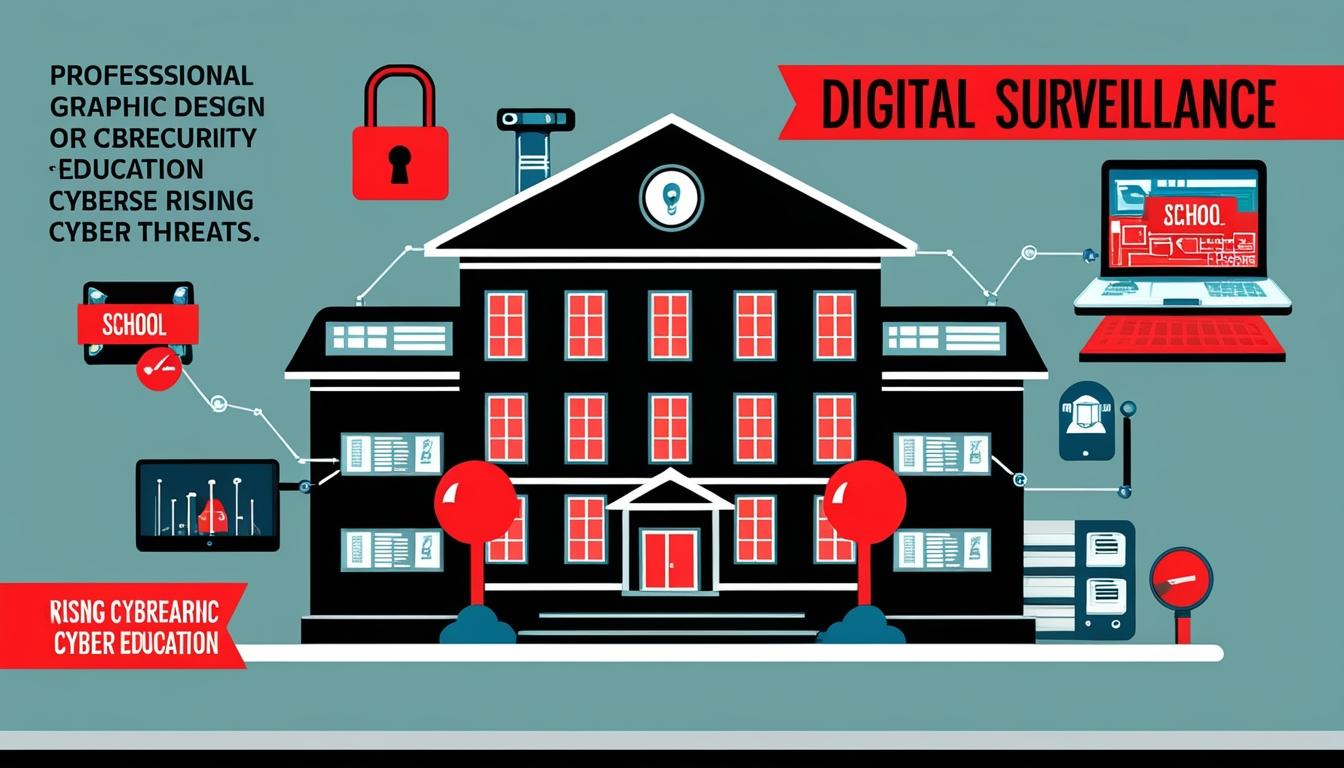
Dr. James Crawford, an experienced superintendent with over two decades in educational leadership, is advocating for improved cybersecurity measures in K-12 schools as the sector grapples with rising cyber threats. Crawford has played a pivotal role in various initiatives, including a community-driven strategic plan designed to enhance educational infrastructure, culminating in the approval of a $150 million bond—the first in 19 years. His commitment to educational advancement extends to his adjunct faculty roles at Washington State University and the University of Washington, where he fosters the development of future leaders.
Amidst the increasing digitalisation of education, K-12 institutions are witnessing a notable surge in cyberattacks, including ransomware, phishing attempts, and data breaches. With districts increasingly adopting digital learning platforms alongside artificial intelligence, the need for robust cybersecurity measures is more pressing than ever. The Cybersecurity and Infrastructure Security Agency (CISA) reports that educational institutions are particularly exposed due to the sensitive nature of the data they manage, which includes student records, health information, and payment details from families.
The statistics regarding cyberattacks on K-12 schools are alarming, with reported incidents reportedly tripling between 2018 and 2021. Ransomware attacks have significantly disrupted operations, while data breaches have compromised sensitive information about students and staff. Many school districts are now facing recovery costs estimated in the millions, underscoring the financial and operational ramifications these cyber incidents can have on educational institutions. The average ransom payment for a cyberattack on a school has risen to more than $250,000, a substantial burden for districts grappling with already tight budgets.
A persistent challenge for K-12 schools is the recruitment of cybersecurity specialists, compounded by budgetary constraints. The National Center for Education Statistics (NCES) notes that over 30% of rural districts lack a dedicated cybersecurity team, and many districts rely on part-time IT staff. This situation leaves schools vulnerable as small IT teams, often consisting of only a few individuals, manage extensive networks. As schools transitioned to remote learning during the COVID-19 pandemic, the number of devices interfacing with school networks proliferated, exacerbating security vulnerabilities.
To respond to the escalating threat landscape, states are beginning to enact legislation mandating cybersecurity standards for K-12 institutions. In Texas, for instance, Senate Bill 820 requires school districts to implement cybersecurity policies and appoint a cybersecurity coordinator. Similarly, New York's Education Law 2-D imposes stringent data privacy regulations and cybersecurity measures. Such legislative measures seek to establish baseline standards and create centralized support resources for schools, enabling even underfunded districts to protect their data effectively.
While legislative efforts are being developed, schools can take immediate steps to enhance their cybersecurity posture. Key strategies include training staff to identify phishing attempts and suspicious online activity, implementing network security protocols like firewalls and multifactor authentication, and fostering collaboration with external institutions for additional security support.
Adopting a proactive stance towards cybersecurity is essential as educational environments continue to evolve. The integration of artificial intelligence in educational settings presents both opportunities and vulnerabilities, necessitating an alignment with best practices in cybersecurity. Tools that leverage AI and machine learning to detect and respond to threats in real time are becoming invaluable in this landscape.
The focus on cybersecurity in education is evolving from an optional investment to an essential component of safeguarding students, staff, and sensitive educational data. As school districts navigate the complexities of this digital era, cooperation between educators, policymakers, and cybersecurity specialists will be integral to fostering a secure and resilient educational system.
Source: Noah Wire Services