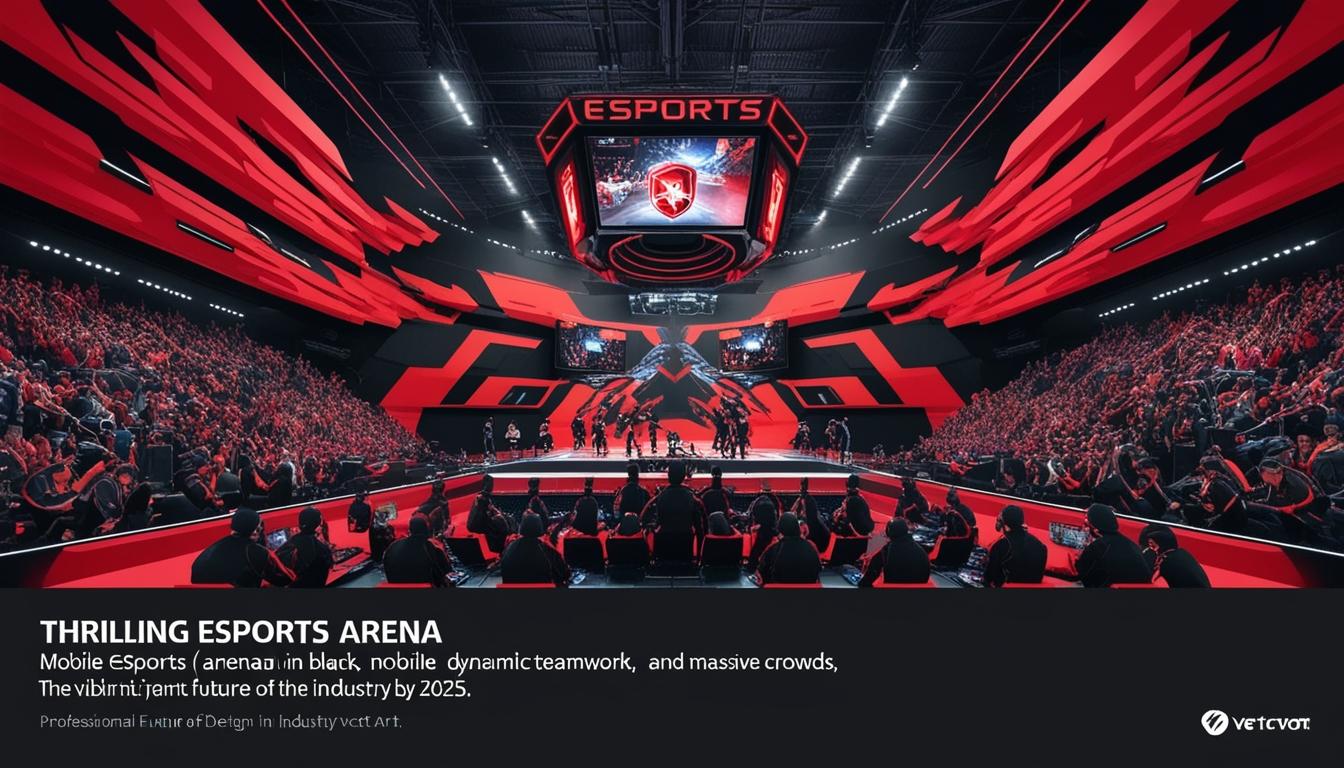
In 2025, the esports industry is poised for transformative changes, fuelled by significant growth in mobile gaming and the emergence of new competitive formats. The sector is expected to consolidate, with mobile esports gaining notable traction, particularly in regions such as South Asia and the Middle East. Financial stability, robust monetisation models, and enhanced collaboration between publishers, teams, and organisers are anticipated to play crucial roles in ensuring long-term success.
As the esports landscape evolves, renowned titles like VALORANT, Counter-Strike, PUBG Mobile, and FreeFire are uniquely positioned for growth. This surge is largely attributed to increased global fan engagement and investment, highlighting a shift in audience interests and participation levels. The excitement generated by 2024 is expected to lay the groundwork for 2025 to become a pivotal year, fostering a more cohesive esports world. Developers are actively refining their competitive frameworks, suggesting an interesting future that may come with both exhilarating prospects and formidable challenges.
Mobile esports, often synonymous with rapid advancement and mass appeal, is projected to take centre stage by 2025. The surge in cellular gaming has been bolstered by improved infrastructure and mobile device capabilities, facilitating growth in esports competitions. Game developers are also revamping established titles to introduce new formats and leagues that are more accessible on a global scale. This expanded competitive environment is set to enhance visibility across various regions, enabling established organisations to broaden their fan bases and compete across an array of games.
Global tournament structures will further develop, with an emphasis on cross-border mega events. Tournament organisers are striving towards creating "super events" that promise immersive experiences for both players and viewers. This includes a blend of electrifying gameplay and memorable moments, effectively responding to the rising demand for high-calibre competitions.
Technology’s role in shaping the future of esports cannot be overstated. By 2025, advancements in AI, data analytics, and innovative marketing tools are anticipated to redefine critical areas such as in-game strategies, coaching, and fan interaction. Esports teams are likely to embrace new business frameworks that facilitate sustainability and long-term success, integrating AI-driven technology that customises the viewing experience to meet fan expectations.
As the esports industry evolves, there will be a notable shift in financial sustainability and monetisation strategies. While traditional methods such as advertising and sponsorship remain vital, the industry is seeking more organic means of direct fan monetisation. Innovations in revenue generation are expected to create a more rewarding ecosystem for fans, ensuring that they remain engaged and invested without feeling alienated.
Grassroots development and player welfare will also be priority areas as the industry continues to mature. The focus on fostering talent and clear pathways to professional levels is essential in maintaining a flow of new participants into the ecosystem. Furthermore, enhancing player welfare and establishing regulatory clarity will play a significant role in promoting a trustworthy environment within the esports community.
Anticipating a consolidation of teams and organisations, the esports industry may witness mergers and acquisitions as disparities widen between leading entities and smaller teams. Sustainable and profitable enterprises are expected to navigate these transitions effectively, while others may face considerable challenges. The collaboration among developers, organisers, and teams will be paramount in forming beneficial ecosystems that cater to all stakeholders involved.
By 2025, various critical developments are anticipated within the esports sector, marked by advancements in mobile gaming, greater event proliferation, and increased technological integration. This expansive trajectory suggests that esports will continue to cultivate its cultural significance, drawing millions of fans and participants worldwide into a dynamic and rapidly evolving landscape. Despite the potential new challenges on the horizon, the future appears promising for the esports industry as it seeks to solidify its place in the global sporting arena.
Source: Noah Wire Services