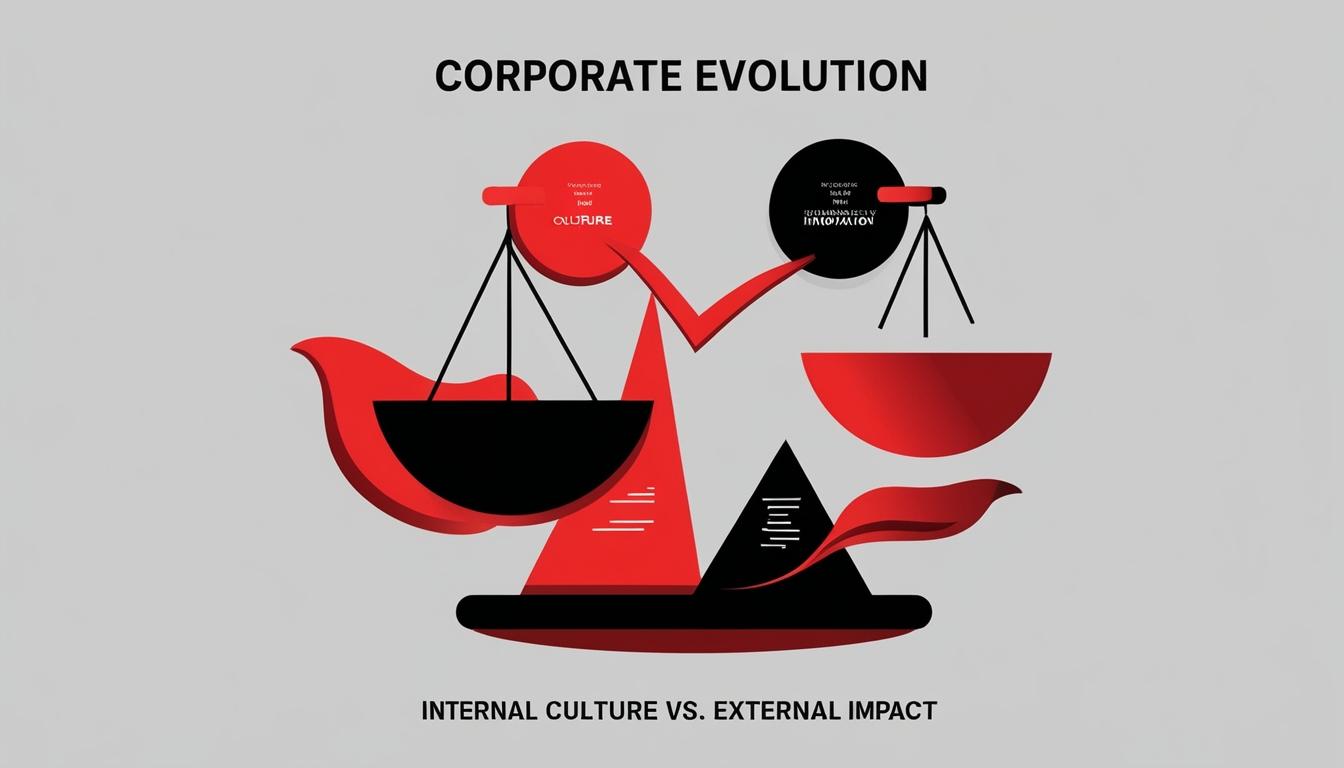
In a recent report by PM Magazine, insights were shared from a European trip undertaken by the author, where discussions with local business leaders revealed contrasting approaches to corporate culture between European and American firms. The conversations highlighted that while American companies often prioritise internal corporate culture, European businesses are increasingly focusing on their external cultural impact, particularly in light of the European Union's Corporate Sustainability Reporting Directive (CSRD).
The CSRD mandates that over 49,000 companies across the EU report on their environmental, social, and governance (ESG) activities. This directive aims to enhance transparency regarding corporate contributions to community welfare and engagement in social causes, reflecting a heightened emphasis on corporate social responsibility (CSR) throughout the region.
The author notes the potential benefits of American companies taking inspiration from the European model when developing strategies for what is termed "cultural resilience." This concept goes beyond merely fostering a positive workplace environment; it encompasses a broader adaptability that includes both internal dynamics and external responsibilities. In particular, within the home services trades, cultural resilience involves cultivating a workplace culture anchored in community engagement, sustainability, and innovation, while remaining grounded in craftsmanship and customer focus.
The article underscores a growing trend among consumers, identifying that today's homeowners are becoming increasingly environmentally conscious and socially aware. According to a recent survey, 73% of consumers are willing to pay a premium for sustainable products and services, indicating a shift in consumer behaviour that compels businesses to reevaluate their practices. The home services industry has numerous opportunities to align with sustainability initiatives, such as incorporating energy-efficient upgrades and committing to waste reduction and recycling strategies. It is noted that businesses focusing on sustainability traditionally report an 18% higher return on investment compared to those that do not.
The importance of community outreach is also highlighted as a critical element of cultural resilience. Engaging in local initiatives—through volunteering, sponsorships, and partnerships—can enhance brand reputation and boost morale among employees. A sense of purpose cultivated through community involvement is linked to higher job satisfaction and can make companies more appealing to potential hires. Approximately 70% of job candidates consider a company's social responsibility efforts to be a significant factor when evaluating employment opportunities.
Furthermore, the report stresses the necessity for a learning culture within organisations. Despite the evident benefits, only 2% of companies have adopted comprehensive resilience strategies. The author advocates for investing in continuous learning and skill development as a means for home services businesses to gain a competitive advantage.
Looking towards 2025, the article posits that cultural resilience should not be viewed as a finite goal but as an ongoing endeavour. By constructing a corporate environment that embraces adaptability and innovation while retaining core values, companies can better prepare for the complexities of the evolving market landscape. The ethos of viewing challenges as opportunities for growth is emphasised as central to nurturing resilient organizational cultures, making it a vital asset for businesses navigating an uncertain future.
Source: Noah Wire Services