Data scientists at General Motors (GM) are deploying artificial intelligence (AI) and machine learning techniques to strategically determine suitable locations for electric vehicle (EV) charging stations across the United States. This initiative comes amid a significant surge in EV sales, with GM reporting record highs expected in 2024, although many drivers remain uncertain about where to charge their vehicles.
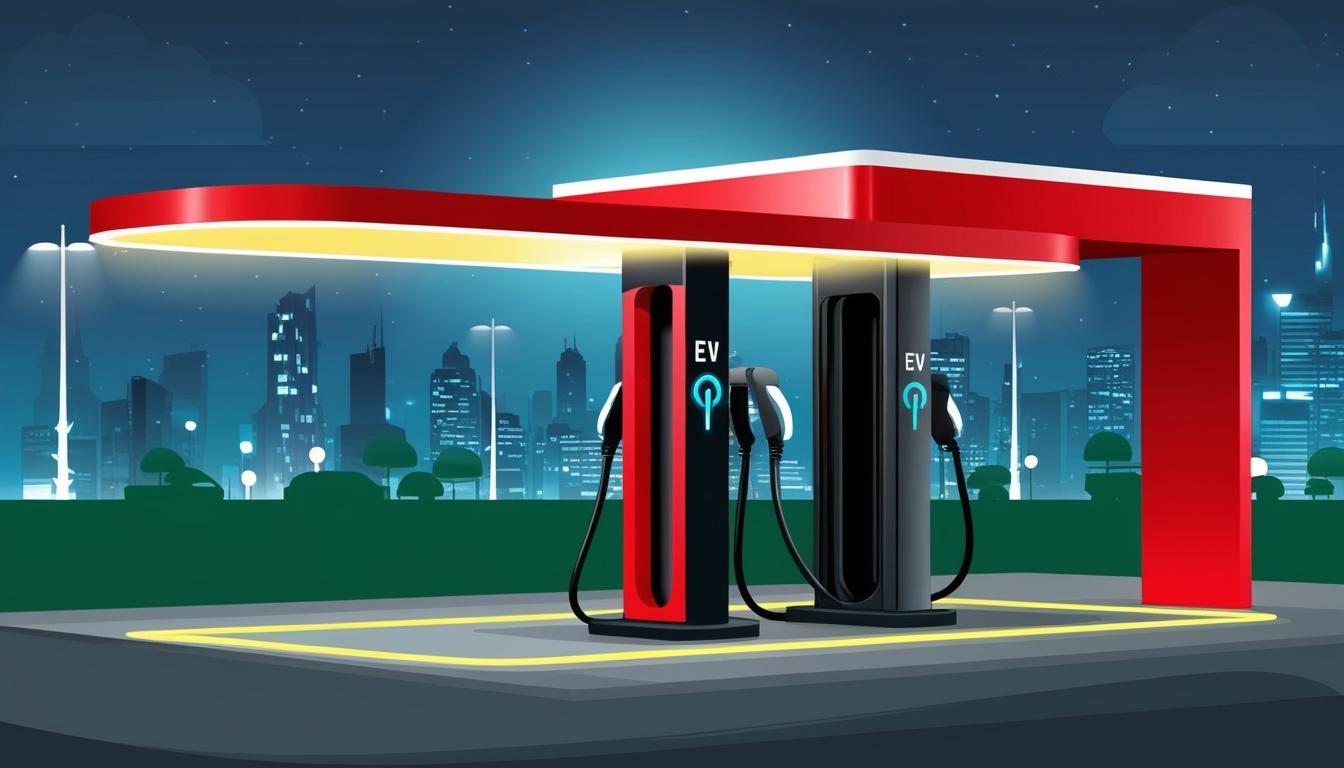
In an effort to enhance the public charging infrastructure, GM has formed partnerships with EVgo and Pilot Travel Centers. The collaboration with EVgo aims to install a total of 2,850 direct current (DC) fast charging stalls throughout the nation. This initiative includes 400 flagship fast-charging locations situated in major metropolitan areas, equipped with 350 kW chargers for ultra-fast charging capabilities. Notable features of these stations include pull-through designs for improved vehicle access, bright lighting to ensure safety, and canopies to shield users from weather-related factors.
Furthermore, GM's alliance with Pilot Flying J and EVgo is set to introduce up to 2,000 additional DC fast chargers at 500 Pilot and Flying J travel centres. Out of these, more than 130 locations are already operational.
To optimise the placement of these charging stations, GM's data scientists are leveraging AI to analyse prevalent EV traffic patterns, driver behaviours, and existing infrastructure. The AI tools approach the site selection process as a mathematical optimisation challenge, considering variables such as traffic flow and the proximity of existing charging stations. The findings generated by these algorithms are visualised through detailed maps, which assist stakeholders in grasping the rationale behind each proposed site. Subsequently, human experts will refine these AI-driven suggestions to finalise the charging station layouts.
Once these data-informed decisions are in place, GM collaborates with its partners to actualise the charging stations, combining advanced technology and industry cooperation to confront a significant barrier to EV adoption. This method aims to provide drivers with the assurance necessary to transition to electric vehicles.
Source: Noah Wire Services