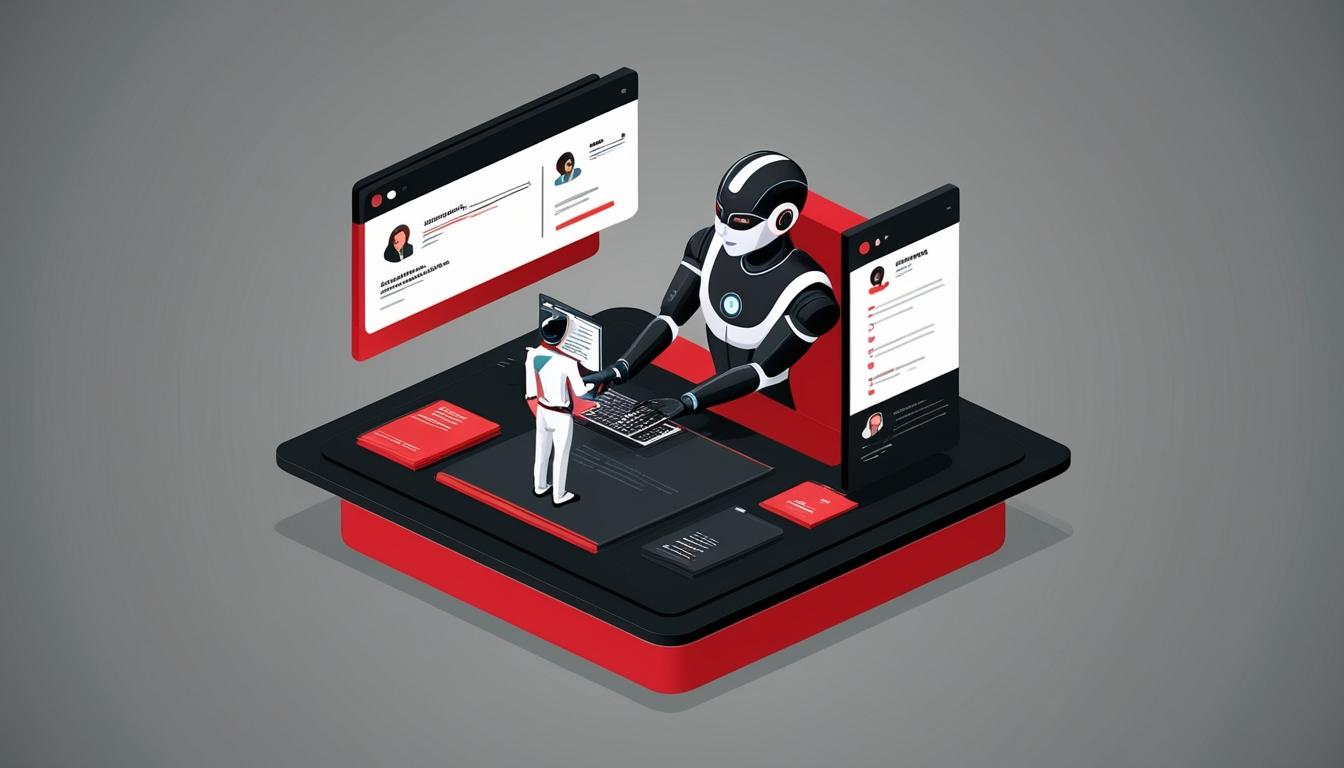
The realm of Human Resources (HR) is undergoing a significant transformation as generative AI and AI agents pave the way for more efficient and innovative business practices. According to a recent article in TechBullion, these advanced technologies are not only reshaping HR processes but also creating unique opportunities for organisational growth and talent management.
Generative AI is characterised by its ability to generate human-like text, images, and other content forms, facilitating a diverse range of HR functions. These applications include automating administrative tasks such as payroll and benefits management, streamlining talent acquisition through job description generation and applicant screening, and enhancing employee engagement via AI-driven communication tools. Unlike traditional AI systems that mainly focus on data analysis, generative AI offers tailored solutions that cater to specific organisational needs.
One of the most notable benefits of incorporating generative AI into HR operations is its capacity to streamline recruitment processes. AI agents dramatically reduce the time and effort required for hiring by executing several pivotal tasks. For instance, they can analyse resumes to identify candidates that match job roles based on predefined criteria, draft compelling and inclusive job descriptions, and even conduct initial screening interviews using conversational AI techniques. This shift allows HR teams to concentrate on strategic decision-making rather than becoming bogged down by administrative responsibilities.
Moreover, personalised employee engagement represents another significant advancement driven by generative AI. AI systems capable of analysing employee behaviour can develop tailored communication strategies, such as crafting customised messages for feedback surveys and deploying AI-powered chatbots that promptly address employee queries. This heightened level of personalisation not only fosters a sense of trust among employees but also ensures they feel recognised and valued within their workplace.
In terms of workforce planning, AI agents show their prowess by aiding HR teams in forecasting future workforce needs. This includes analysing historical data and current market trends to develop predictive models for hiring and resource allocation, as well as identifying skill gaps and recommending suitable training programmes.
TechBullion outlines several key AI agents that serve as the pillars of modern HR operations:
Recruitment Agent: This tool simplifies the hiring process by leveraging advanced data analysis and natural language processing to identify the best candidates while mitigating biases to encourage fair hiring practices.
Payroll Discrepancy Detection Agent: Handling payroll-related errors can be labor-intensive. AI agents expedite this process by identifying discrepancies in real-time and ensuring accurate salary disbursements.
Compliance Check Agent: Given the critical nature of compliance in HR, this agent assesses organisational policies against existing regulations to spot potential risks and propose actionable solutions.
Employee Engagement Agent: This tool continuously monitors employee sentiments through analysis of feedback and interaction patterns. This vigilance helps maintain high morale and retention rates within the workforce.
The trajectory for HR functions suggests that the integration of generative AI will expand further, targeting areas such as upskilling and training with personalised learning paths, performance management powered by AI evaluations that yield actionable insights, and enhancing diversity and inclusion through analytics that inform strategic decisions.
Despite the advantages associated with generative AI, challenges remain in its adoption in HR settings. Issues surrounding data privacy necessitate that organisations prioritise the security of employee information, while the costs associated with implementing these AI solutions can be significant, particularly for small to medium-sized enterprises. Moreover, fostering a culture of change management requires investments in training HR professionals to utilise AI tools effectively.
By addressing these challenges through diligent planning and enhanced cybersecurity measures, organisations have the potential to fully leverage AI in their HR operations. The transformative impact of generative AI heralds a new era for HR, making processes not only more efficient but also more tailored and proactive, thus empowering organisations to cultivate resilient and innovative workplaces.
Source: Noah Wire Services