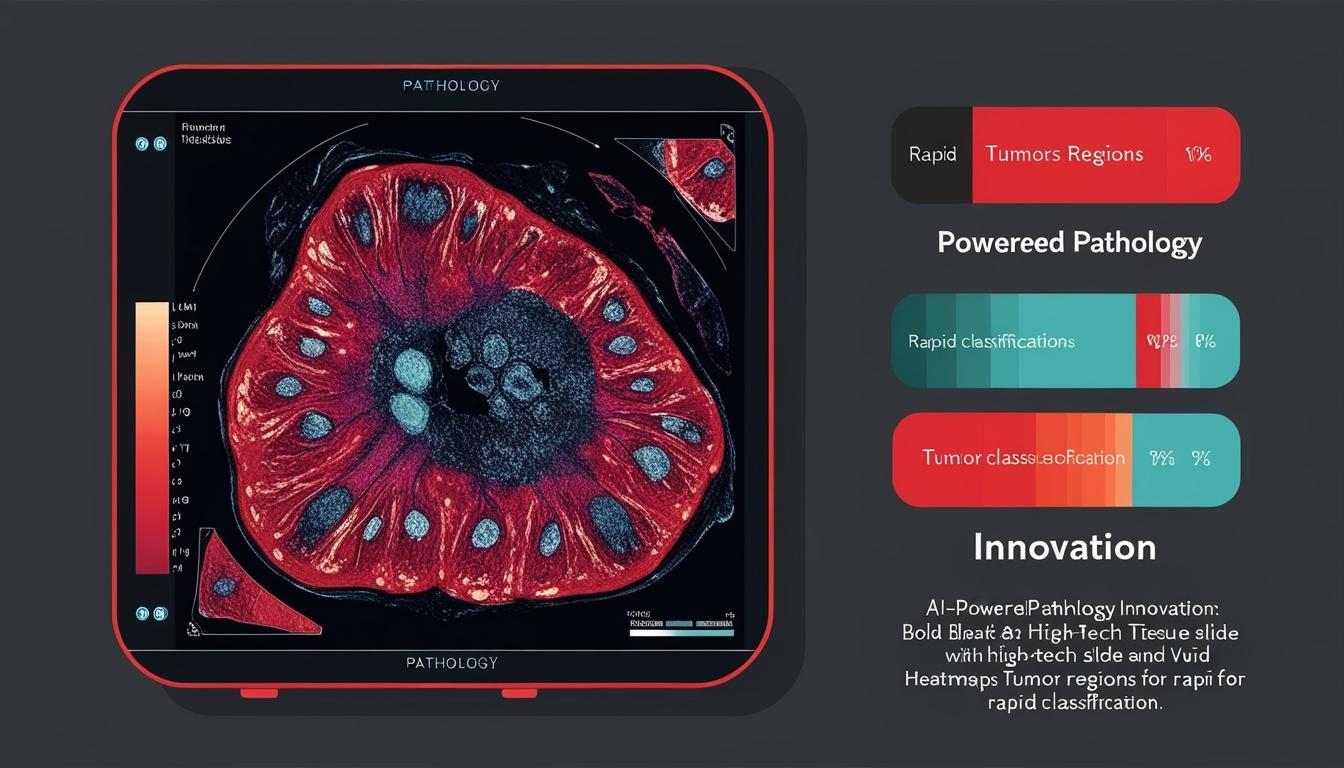
In recent developments within the field of pathology, a groundbreaking approach to artificial intelligence (AI) has emerged that seeks to eliminate the reliance on extensive hand-annotated datasets for tissue classification. Traditionally, building AI models for histopathology required significant resources and time to compile large, annotated datasets. However, recent advancements, specifically through innovations like Concentriq Embeddings and PLIP, promise a significant shift in this paradigm.
Concentriq Embeddings, alongside PLIP, a multimodal vision-language foundation model, introduces a method for constructing zero-shot tissue classification models rapidly. This means that users can generate classifications without the need for extensive annotated training data, which is a substantial change from standard practices. This technology allows for the generation of slide-level predictions and the creation of heatmaps that visually delineate tumour regions, streamlining the process of diagnosing and categorising tissue samples.
This new model has been designed to operate efficiently, minimising the data bottlenecks that have previously hindered AI development in pathology. It effectively reduces the time and effort required for preparing data, enabling faster implementation of AI applications in medical diagnosis.
In a tutorial illustrating the capabilities of Concentriq Embeddings, users can observe how to swiftly utilise this technology to achieve significant results in tissue classification. The introduction of techniques that allow for AI deployment "in minutes" stands to revolutionise the workflow within pathology, as professionals can now achieve what might previously have taken significant investment in both time and financial resources.
By leveraging these advancements, the integration of AI into pathology can improve diagnostic accuracy and efficiency, contributing to enhanced patient care outcomes. As the field continues to evolve, the implications of such innovations are expected to impact broader healthcare practices, potentially reshaping how medical professionals approach diagnostics and treatment planning in the future.
Source: Noah Wire Services