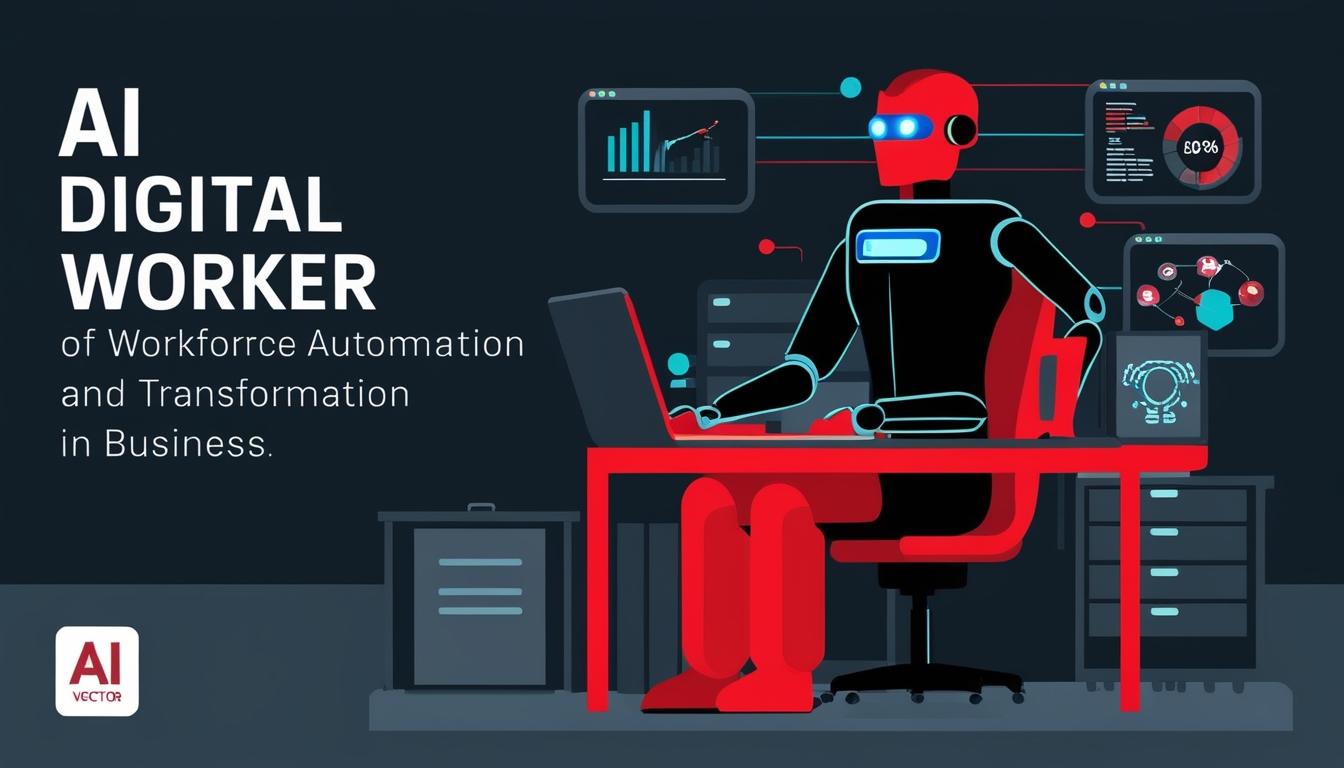
Salesforce has recently amplified its commitment to AI automation in business with the launch of its Agentforce 2.0, just three months after introducing its autonomous AI agent-building platform. This development was underscored during a typical keynote by CEO Marc Benioff, who articulated a notable shift in perspective. He referred to the generative AI-powered agents enabled by his company’s platform as a “digital labor platform,” aimed at mitigating the challenges posed by a global labour shortage. This phrasing subtly transitioned the discussion from viewing these AI-driven agents merely as technological tools to recognising them as potential digital workers.
This transformative view surrounding AI agents parallels insights from OpenAI’s CEO, Sam Altman, who recently shared his predictions for the near future. In a blog post, Altman indicated that by 2025, we may witness the first AI agents formally “joining the workforce,” which could significantly alter organisational output. This marks a broader trend in the tech industry where high-profile figures are equating digital agents with human workers. The emergence of this narrative suggests an evolving definition of "work" and "workers," which could have substantial implications for the role of human employees in the workplace.
Historically, the relationship between technology and the workforce has been complex. Technological advancements have continually reshaped job landscapes by creating new roles while rendering others obsolete. For instance, the Industrial Revolution gave rise to knocker-uppers—individuals hired to awaken factory workers for their shifts—only to see such roles disappear with the advent of alarm clocks. Similarly, the decline of switchboard operators followed advancements in telephony. As Salesforce and OpenAI drive the conversation towards AI agents as integral parts of the workforce, a parallel can be drawn with the inevitable evolution and disappearance of certain jobs over time.
This narrative shift elicits considerations regarding the future dynamics between human employees and AI agents. As businesses adapt to incorporate digital labour, questions arise surrounding the optimisation of employee experiences, especially in scenarios where AI-like entities function as counterparts or even replacements for human workers. Furthermore, this trend introduces complexities into ongoing discussions regarding workplace policies, such as the debate over return-to-office mandates, raising questions about the necessity of physical presence when a fraction of the “workforce” could exist solely in a digital format.
As 2025 approaches, the U.S. Department of Labor continues to assess job statistics based on human metrics. Observers are keen to see how, if at all, these definitions will evolve in light of advancements in AI and automation. The implications for the future of work are profound as companies like Salesforce and OpenAI navigate this pivotal moment in the intersection of technology and labour.
Source: Noah Wire Services