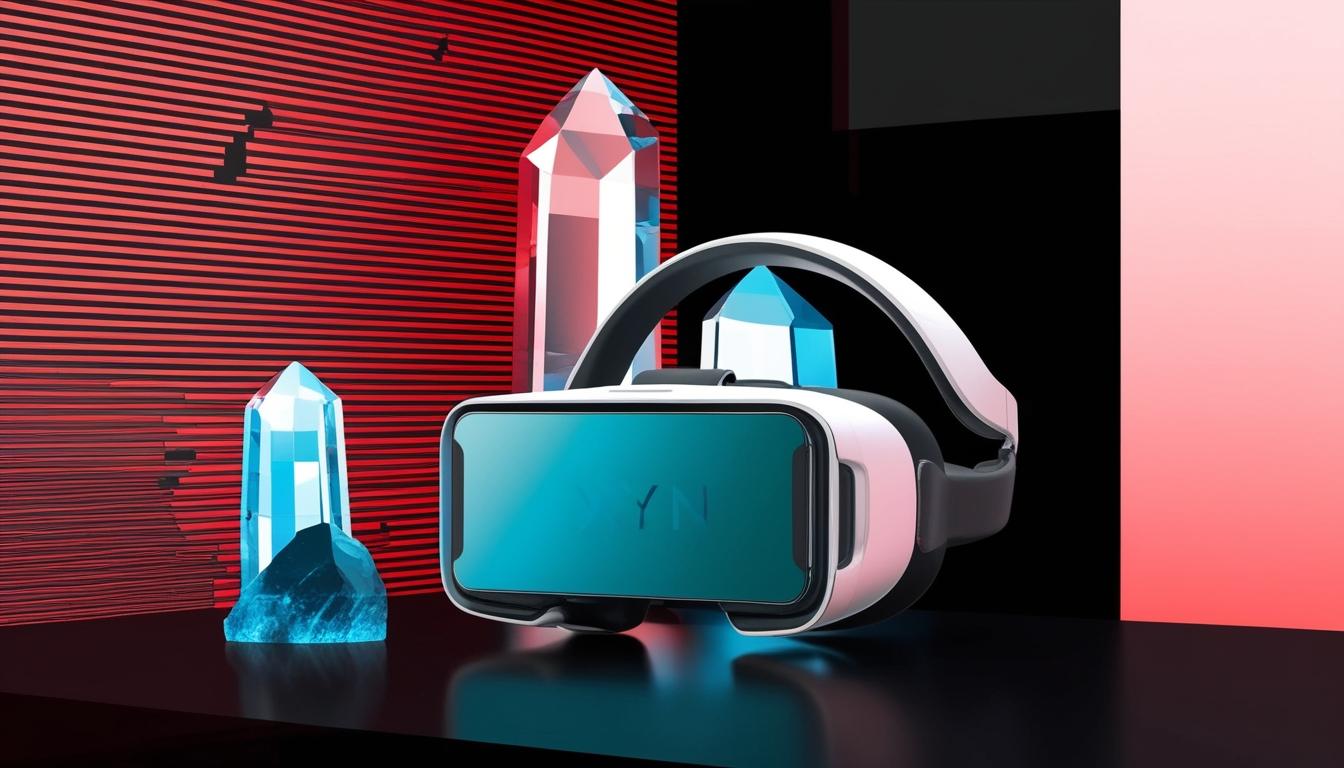
Sony has introduced its new sub-brand Xyn, which aims to revolutionise the way content is created, captured, and experienced within spatial environments. This debut took place at the CES 2025 event, where Sony showcased its innovative Xyn Headset prototype alongside a cutting-edge solution for 3D scanning.
The essence of the Xyn brand is its focus on enabling individuals and brands, irrespective of their size, to engage in content creation. Unlike existing VR headsets like the PlayStation VR 2 and Meta Quest series, the Xyn Headset is tailored specifically for users interested in spatial creation.
During a hands-on demonstration, it was noted that the Xyn Headset is lightweight and features a familiar design that rests comfortably on the head, adjustable via a dial at the back. The headset boasts significant functionality, including the ability to self-power, eliminating the need for connection to other devices, and incorporates 4K micro-OLED displays—one for each eye.
While testing the prototype, the experience involved interacting with a digital environment populated with various 3D elements, including crystal rock formations. What distinguishes this headset from others is the ability to seamlessly switch between digital and real-world perspectives, owing to a flippable screen feature. This allows users to see and manipulate the items they are creating in 3D space.
An additional component of the Xyn portfolio is the device used to scan objects, which involves a traditional Sony Alpha camera linked to a smartphone running a prototype Xyn application. This system makes the scanning process intuitive; users can capture 3D models of various items, such as crystals or ceramics, quickly and easily. Observers reported seeing a dynamic heat map that indicated successful scanning.
Once captured, the images are processed in the cloud, enabling users to view their 3D models on a custom glasses-free monitor equipped with eye-tracking technology. This setup is perceived as beneficial for both amateurs and professionals entering the realm of 3D production, facilitating the creation and manipulation of objects for virtual settings.
The accessibility of these tools is noteworthy. The design of the app and the associated interface significantly lowers the barrier to entry for those without formal 3D design training. This approach aims to broaden the audience capable of engaging with spatial content creation.
Although the Xyn Headset remains in prototype form and may not be available for direct consumer purchase in the immediate future, the potential for creating and refining 3D worlds through Xyn Capture could lead to widespread adoption across mainstream VR platforms in the coming years. As each of these technologies develops, their impact on business practices, particularly in content creation and design, is anticipated to be substantial.
Source: Noah Wire Services