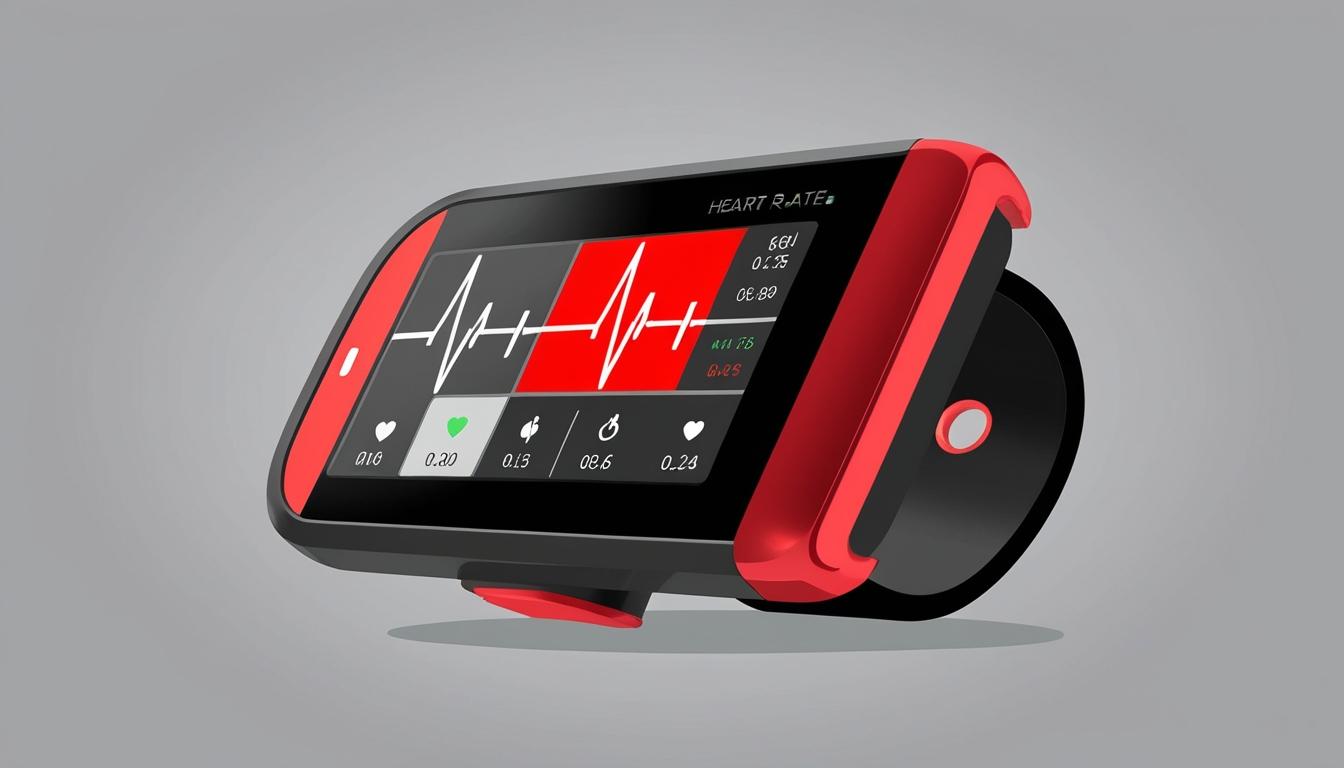
The global home medical equipment market is undergoing significant expansion, with smart devices increasingly being utilised to monitor and treat patients with various medical conditions such as diabetes and cardiac disorders. This surge has been buoyed by efforts from prominent organisations, including the World Health Organization and the National Council of Aging, promoting self-health management as a means to improve patient outcomes without exposing them to potential hospital-acquired infections.
The rise of digital technology is changing the landscape for healthcare professionals and medical facilities, enabling cost-effective remote patient monitoring. The traditional model of frequent hospital visits is being replaced with systems that allow healthcare providers to analyse health data from a distance, bringing patients into clinics or hospitals only when necessary.
Central to this shift is the connectivity technology employed in these medical devices, which directly impacts healthcare quality and patient safety. The various methods by which data can be transmitted—Wi-Fi, Bluetooth, and cellular—each present distinct advantages and limitations.
For instance, Wi-Fi connections require patients, often seniors or those with limited technical skills, to connect devices to their home networks. This process can be daunting, particularly for those unfamiliar with digital technology. Conversely, Bluetooth technology is often more straightforward to use; however, it necessitates the presence of a nearby smartphone to relay data. Research by Pew indicates that only 61% of Americans aged over 65 own a smartphone, significantly restricting accessibility for this demographic.
In contrast, cellular technology utilises existing public infrastructure and avoids the complexities associated with configuring devices. This zero-touch process enables patients to begin using these devices immediately upon receipt, without the need for technical assistance—crucial for those who may already be experiencing health challenges.
Notably, the risks associated with connectivity challenges are underscored by recent real-world examples. A colleague of Ohad Peled, the Product Marketing Manager at Sony Semiconductor Israel, who suspected he had a cardiac condition faced difficulties with a mobile ECG device while attempting to pair it with his smartphone, resulting in lost critical data. This situation highlights a potential dilemma, as connectivity issues can be detrimental for patients requiring consistent monitoring.
Several innovative companies are addressing these connectivity challenges by developing solutions that pivot towards cellular technology. By retrofitting connectivity modules, medical device manufacturers can enable their devices to connect directly over cellular networks, thus eliminating the need for intermediaries such as smartphones or Bluetooth gateways. Such advancements allow for consistent and reliable data transmission, which is particularly vital for critical health monitoring applications. Furthermore, cellular-enabled devices often feature simple single button operations, enhancing usability for those less adept with technology.
The discrepancies in monitoring requirements across various medical conditions indicate that different technology options may be necessary. For instance, while a glucose meter may suffice with periodic data transmission, continuous connectivity is vital for wearables such as ECG monitors. Cellular technology proves to be advantageous in such scenarios, as it provides steady data streams essential for real-time health oversight.
Moreover, security remains a pivotal concern within the healthcare sector, particularly as data breaches can lead to serious incidents like phishing attacks and pharmaceutical fraud. Each method of connectivity—Wi-Fi, Bluetooth, and cellular—has distinct vulnerabilities. However, cellular technology offers a more secure route for data transfer, as information travels directly from the device to cell towers, bypassing potentially vulnerable elements such as personal routers and smartphones.
The selection of an appropriate connectivity technology ultimately hinges on multiple factors, encompassing product requirements, cost, and physical size. In many applications, cellular technology emerges as the frontrunner, providing unmatched reliability, security, and simplicity. Today's advanced cellular chipsets are designed for low power consumption, extending battery life and reducing the frequency of charging or replacements, thereby enhancing user experience.
The ongoing development of cellular-enabled medical devices is likely to redefine the operational paradigms within the healthcare industry, providing an effective framework to deliver efficient and secure patient monitoring solutions.
Source: Noah Wire Services