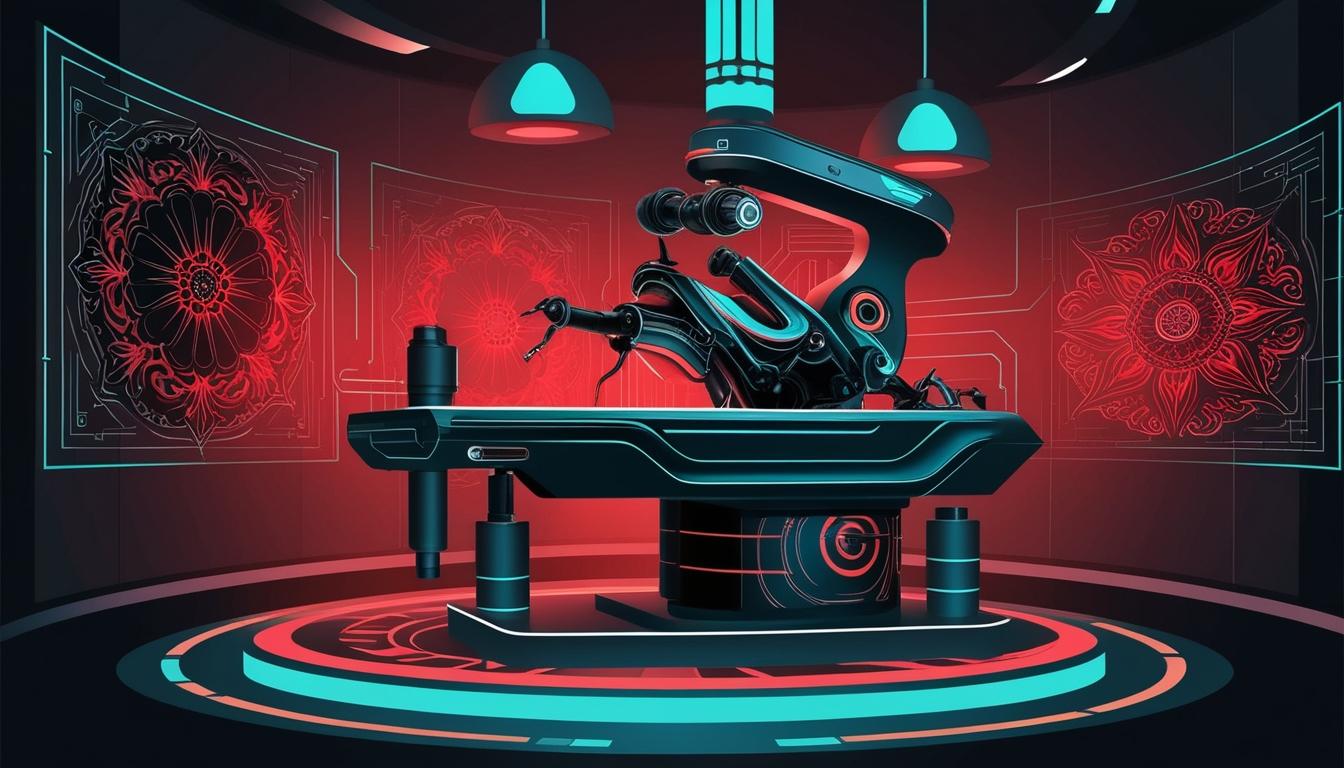
The tattoo artistry landscape is undergoing a significant transformation, as it embraces the capabilities of artificial intelligence (AI) to enhance creativity and precision in design. The incorporation of AI is not only changing the way tattoos are conceived but also influencing the overall client experience in tattoo studios.
Tattoo artistry has historically been steeped in tradition, with techniques like hand-poking and the use of rudimentary tools having been practiced for centuries. Many traditional tattoos are deeply rooted in the cultural significance and symbolism of communities worldwide. However, as noted by TechBullion, the emergence of AI has introduced a revolutionary phase in this field. AI tattoo artists use advanced algorithms to generate intricate and personalised designs, customised to individual preferences, thereby broadening artistic horizons.
AI's integration into tattoo artistry leverages sophisticated machine learning algorithms, neural networks, and extensive datasets, enabling the creation of unique and precise designs. This technology empowers artists to expand their creative limits by providing a multitude of design options tailored to the client’s tastes. “AI tattoo artists excel in creating custom tattoo designs by leveraging advanced algorithms and machine learning,” as reported by TechBullion, indicating a paradigm shift in the design process.
One of the prominent advantages of implementing AI in tattoo artistry is the increase in design precision. Human error, a potential issue in traditional tattoo design, is markedly reduced when AI is involved, creating opportunities for artists to generate well-defined and intricate designs without compromise. However, the intersection of artificial intelligence and artistry does pose several challenges. A noted concern lies in the realm of creativity; while AI can create designs rooted in data and patterns, it often lacks the emotional depth and intuition characteristic of human artists. This has raised questions about the emotional resonance of AI-generated tattoos, as they can sometimes appear impersonal.
In addition to the concerns regarding creativity, there are ethical considerations that arise with the use of AI in tattooing. Job displacement is a significant potential risk as traditional artists could find their skills less sought after with the availability of AI technologies. Moreover, questions about originality and ownership of AI-generated designs have surfaced. The algorithms that create designs often analyse and combine existing art, leading to uncertainty about who possesses the rights to these creations. Concerns surrounding client consent and transparency also need to be addressed, ensuring that clients understand the involvement of AI in the creation of their tattoos.
Despite these challenges, the integration of AI into tattoo studios holds considerable promise for enhancing artistry and providing clients with unique experiences. AI-powered tattoo machines and design generators serve as innovative tools that artists can incorporate alongside traditional methods, offering a new dimension to the tattooing process. As studios increasingly adopt AI technology, it is likely that the landscape of the tattoo industry will be reshaped, influencing design practices and perceptions about tattoos in general.
The combination of artificial intelligence with traditional tattooing techniques signals a significant evolution in the tattoo industry. As artists and studios explore these technological advances, they may uncover new possibilities and redefine what is feasible in tattoo artistry moving forward.
Source: Noah Wire Services