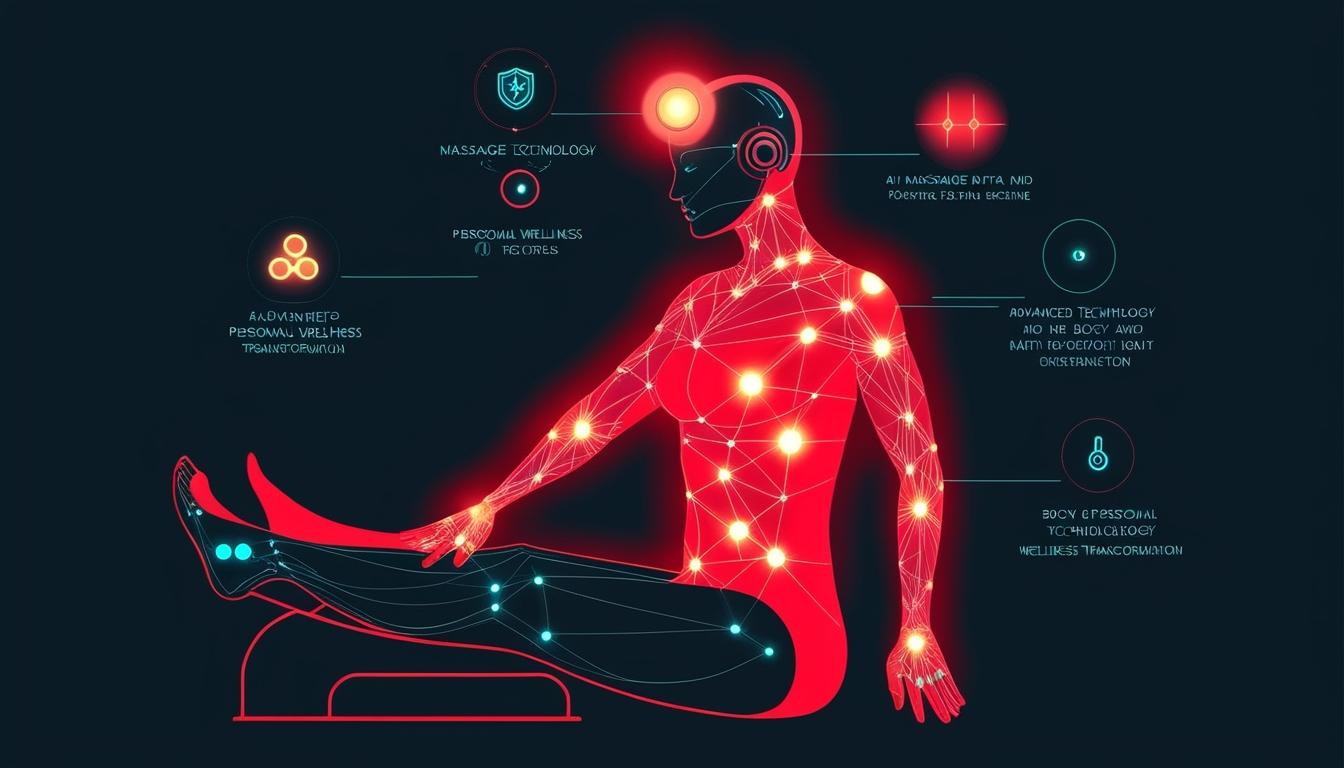
The emergence of artificial intelligence (AI) as a transformative force in various sectors is evident, with innovative technologies set to redefine business practices and consumer experiences across multiple industries. A notable illustration of AI's advancements can be found in the wellness sector, where Aescape, a company operating from New York and Los Angeles, is pioneering the development of AI-enhanced massage machines.
The massage machines offered by Aescape utilise advanced technology to scan individuals' bodies, collecting over a million data points to create a comprehensive 3D map. This allows the machine to identify key anatomical points for targeted relief, which reportedly surpasses traditional massage techniques. Users have praised the experience, with one first-time client stating: “Each part of my body had four to six minutes of attention as it... broke up knots. I was in heaven.” The machines also adapt to personal preferences, providing customised treatments and retaining the user’s history for future sessions. The potential for such AI systems to become commonplace in homes, monitoring stress levels and alleviating tension as needed, is a prospect that experts foresee as viable.
AI's integration into mental health care is also noteworthy, with self-care chatbots offering therapeutic support to individuals dealing with depression and anxiety. An application called Woebot checks in daily with users, guiding them through practical coping techniques. Another chatbot, Replika, powered by ChatGPT, promotes itself as a supportive companion, available any time for conversation. A study conducted in the US indicated that usage of this chatbot aided students in distress, with reports of it preventing suicide attempts in some cases.
In addition to these applications, AI is poised to revolutionise several other sectors. Within the beauty industry, salons are beginning to implement virtual consultations enhanced by smart mirrors, which analyse client preferences and provide tailored hairstyle suggestions before their appointment. This technology uses AI algorithms to evaluate various factors such as face shape and skin tone, ensuring that clients receive personalised recommendations.
The fitness sector has also seen significant benefits from AI, as companies introduce virtual personal trainers that enable home workouts. Wearable devices like smartwatches monitor users’ health and activity levels, while fitness-focused chatbots deliver customised advice. The future may see the arrival of AI trainers embodied in smart mirrors and robotic guides.
In the food and dining sector, AI is streamlining customer service and personalising dining experiences. Restaurants are adopting technology to analyse customers' preferences based on their ordering history. KFC in China, for instance, has implemented facial recognition systems that automatically provide customers with personalised menu recommendations. Additionally, AI is enhancing food delivery services by optimising routes and managing multiple orders simultaneously, with autonomous drones and robots anticipated to make food deliveries a commonplace occurrence.
Lastly, the retail sector is experiencing a transformation through AI, which personalises online shopping experiences and aids in visualising products in real-time. Smart mirrors are becoming prevalent in brick-and-mortar stores, enabling customers to see how clothing items will fit and look on them. AI will also support in-store promotions, targeting shoppers based on their location and purchase history.
As AI continues to evolve, its influence on business dynamics and consumer interactions signals a future marked by increased efficiency, personalisation, and technological enhancement across various domains. The ongoing adoption of these emerging technologies will significantly shape how businesses engage with customers and streamline operations as they strive to meet modern demands.
Source: Noah Wire Services