Integration of AI in Modern Warfare Alters Battlefield Dynamics
The integration of artificial intelligence (AI) in military operations is transforming the landscape of global security. Driven by advancements in AI, countries worldwide are developing and deploying autonomous weapons, drastically changing traditional warfare.
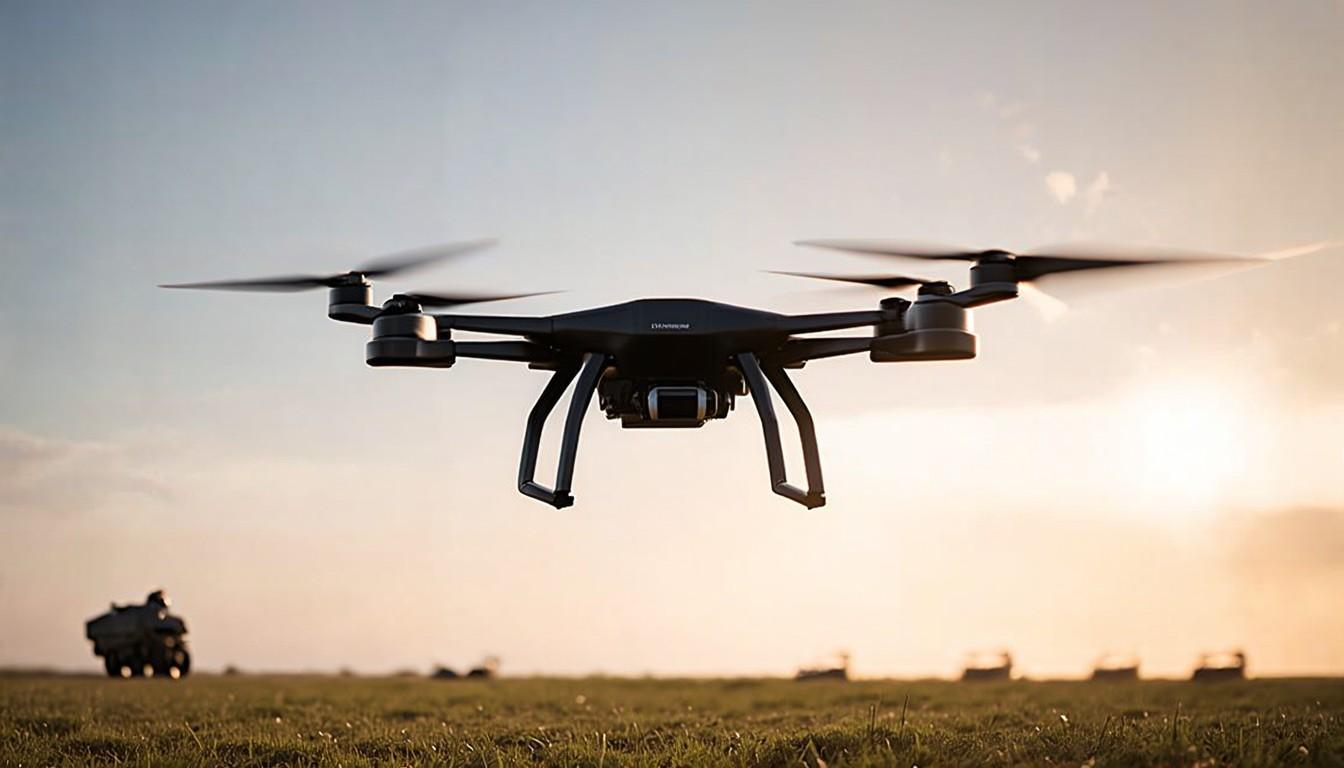
Notably, the conflict in Ukraine represents a significant shift in military strategy, being one of the first wars to extensively rely on AI technology. Ukrainian defense forces have implemented AI-driven drones for both surveillance and attack missions, demonstrating enhanced efficiency and precision on the battlefield.
These drones, capable of operating without human intervention, highlight the evolution of autonomous weapons, which includes drones, unmanned ground vehicles, and advanced missile systems. Such systems process vast amounts of data in real-time, making rapid and accurate decisions. For instance, the US Navy's Sea Hunter, an autonomous ship, can navigate and conduct missions independently.
The benefits of AI in warfare extend beyond precision. AI-driven autonomous systems can minimize human casualties, provide continuous operation without fatigue, and act as force multipliers by enabling militaries to accomplish more with fewer resources. In high-stakes environments, AI's rapid decision-making capabilities are crucial, especially in missile defense and electronic warfare scenarios.
However, the deployment of AI in military operations raises significant ethical and legal concerns. Key issues include accountability for harm caused by autonomous weapons, the moral implications of AI making life-or-death decisions, and the risk of unintended escalation due to the misinterpretation of threats.
Projects like the US Department of Defense’s Project Maven, which uses machine learning to analyze drone footage, and Russia’s Uran-9, an unmanned combat vehicle, highlight the advancements and potential of AI in enhancing military efficiency. Additionally, China’s development of the Ziyan Blowfish A3, an autonomous helicopter drone, exemplifies the global race toward AI military dominance.
As AI technology continues to evolve, its integration into warfare will become more pervasive, necessitating robust ethical and legal frameworks to govern its use. International regulations and treaties, along with a collaborative approach between human operators and AI, will be essential to balance the benefits and risks of AI in military operations.