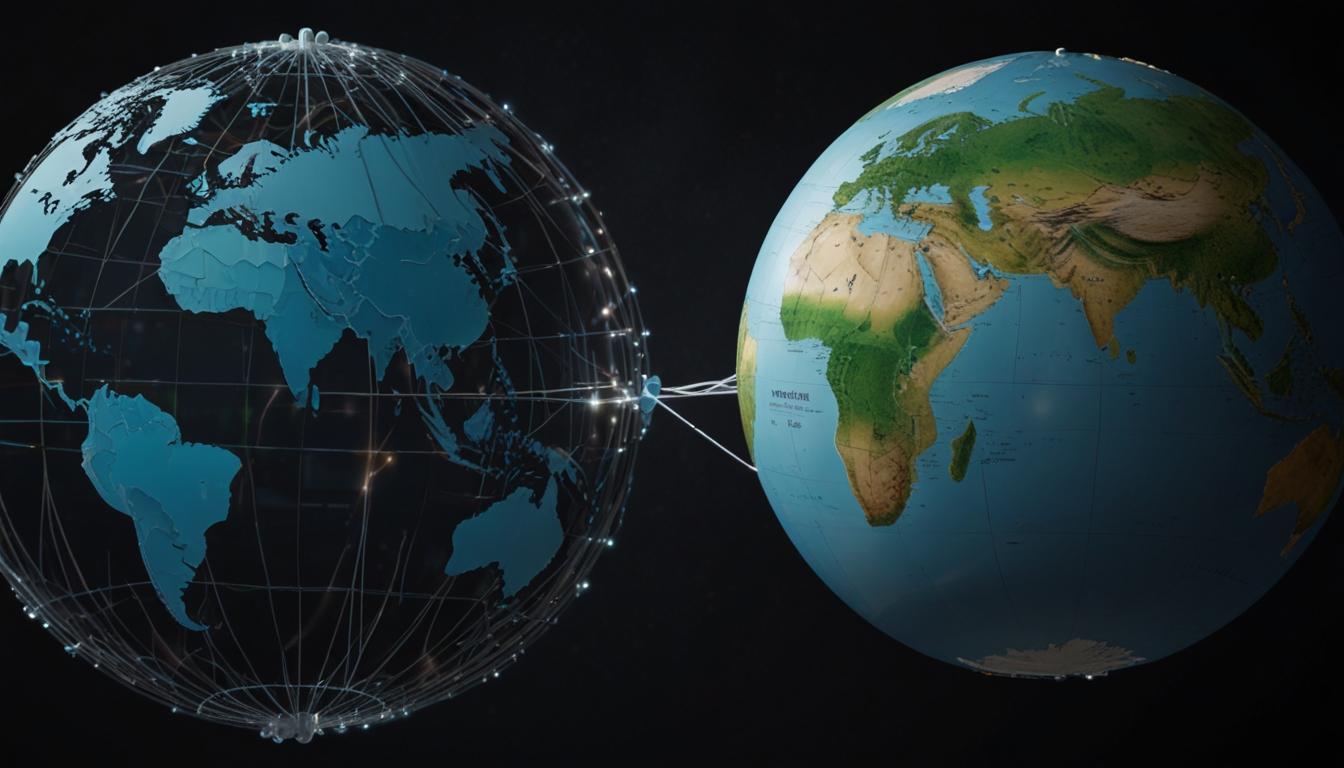
Google's SVP Highlights Risk of AI Divide Amid Global Digital Disparities
New York, 12 October 2023 — Every major laptop manufacturer has been debuting AI-powered PCs this year, showcasing their devices with advanced processors from a variety of chipmakers. As artificial intelligence continues to be integrated into modern tech products, James Manyika, Google's Senior Vice President of Research, Technology, and Society, warns of a looming divide.
Speaking at a Washington Post Live event on Wednesday at a Samsung event space in downtown New York City, Manyika drew attention to the growing inequality in AI access. "We already have a Digital Divide. There's a real risk that it turns into an AI Divide. So how do you ensure that doesn’t happen?" Manyika posed this question, emphasising the necessity of inclusive AI development.
Manyika, co-chair of a UN Advisory Body on artificial intelligence, referenced the recently published whitepaper "Governing AI for Humanity." This document sheds light on managing AI-related risks and the global future of AI, with a significant focus on the Global South. Many developing or underdeveloped nations in Asia, Africa, Latin America, and Oceania face substantial barriers to AI growth, primarily due to limited access to computers capable of AI processing.
The UN Trade and Development map categorises various countries in the Global South, highlighting the necessity of increasing internet and AI access to prevent widening the AI Divide. Manyika stressed the importance of establishing a proper framework to govern AI development and ensure its equitable use. Despite these urgent needs, much of the Global South has not been part of ongoing conversations about AI governance.
"About 118 countries haven't participated in any of the recent declarations about the safe use of AI," Manyika revealed. This lack of participation underscores the disparities in global AI dialogue and development.
Reflecting on the situation, Manyika contrasted the concerns of Western nations, such as improving AI features in everyday devices like washing machines, with the fundamental technological gaps faced by many African countries. "Many African countries haven’t been involved at all in the AI governance discussion and haven’t benefited from any of the advances Western countries take for granted."
Google has taken initiatives to bridge this divide, particularly through improving basic connectivity in Africa. The tech giant has constructed two massive subsea cables: the Olaudah Equiano cable running from the northern to the southern extremities of Africa and the Umoja cable, which extends from Rwanda through Kenya and connects Africa to Asia. "Those are all intended to be ways to try to improve connectivity and the costs associated with that," Manyika explained.
Moreover, Google is striving to increase accessibility to AI and technology, which can lead to broader economic benefits, improved food security, and enhanced access to information. A notable example is the expansion of Google Translate, which has grown from 30 languages to 243 in the last three years, largely due to AI advancements. “We added another 110 languages in the last ten months — those are languages spoken by half a billion people, all in the Global South. In fact, our goal is to get to 1,000 languages as soon as possible so that people have access to information,” said Manyika.
Looking ahead, a global AI summit is scheduled for April 2025 in Kigali, Rwanda, aiming to ensure that Africa plays a significant role in the global AI ecosystem. However, Manyika acknowledged that substantial work remains. "The Digital Divide capability gap is quite real. That’s what we have to do. We all have work to do.”
As AI technology continues to evolve, the focus remains on ensuring that its benefits are distributed equitably to prevent the emergence of a new global divide.
Source: Noah Wire Services