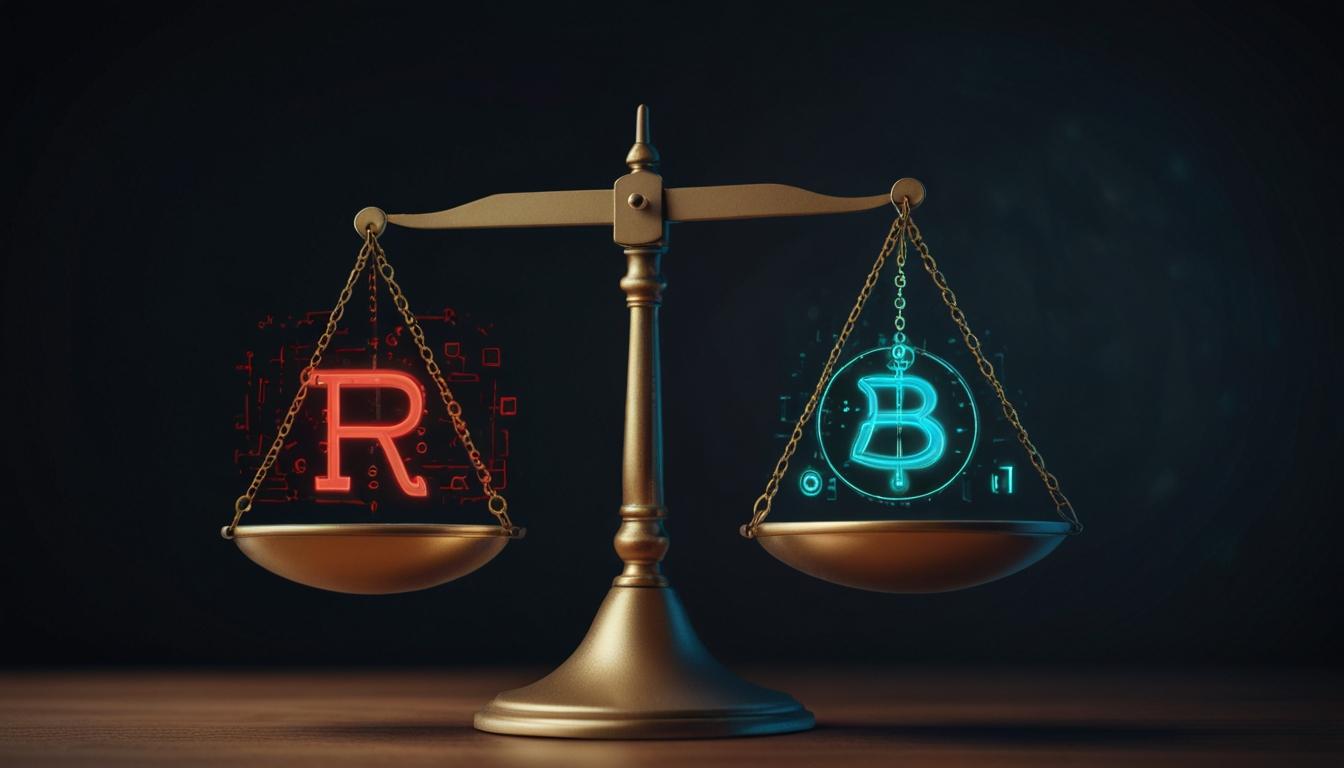
AI and Fraud: Navigating the Tightrope Between Innovation and Regulation
As Artificial Intelligence (AI) continues to permeate daily life, its dual potential to aid and abet fraudsters presents a significant challenge for regulators and developers alike. The implementation of the EU’s AI Act is among the latest efforts to manage this delicate balance.
Over recent decades, AI has become an integral part of society. Systems like ChatGPT, Gemini, and Claude are not just buzzwords but transformative technologies changing how we approach myriad tasks, including fraud prevention. AI-driven fraud detection systems leverage complex data analysis and pattern recognition, offering a level of scrutiny that surpasses human capabilities.
SEON’s CEO and co-founder, Tamas Kadar, underscores the importance of maintaining this fragile balance, especially under new regulatory landscapes like the EU’s AI Act.
However, alongside their benefits, widely accessible AI tools have created new avenues for fraudsters. Exploitations such as deepfake technology have evidenced the darker applications of AI. For instance, the New York Times recently reported deepfake versions of Elon Musk appearing in numerous fraudulent ads, culminating in billions of dollars in scams. Such incidents foreground the necessity of stringent measures to counteract the misuse of AI.
EU’s AI Act: A Step Towards Safer AI
Introduced in July, the EU's AI Act aims to regulate AI's development and application comprehensively. Proposed in 2020, it employs a risk-based framework to categorise AI systems. High-risk systems include technologies within sectors like autonomous vehicles, medical devices, and financial decision-making. Moreover, it bans AI systems deemed an 'unacceptable risk,' including social scoring technologies that categorise individuals based on personal traits or behaviours.
These measures are intended to enhance transparency, accountability, and the ethical deployment of AI. Particularly regarding online fraud, the Act prohibits AI practices involving manipulation or deception. The establishment of the EU AI Office promises enhanced oversight, potentially bolstering efforts to detect and thwart AI-assisted fraud.
Potential Pitfalls of Regulation
Though the rationale behind the EU's measures is clear, their practical efficacy remains uncertain. The stringent regulations on high-risk AI applications could inadvertently hamper innovation in AI-based fraud prevention. These tools often process sensitive personal data to identify fraudsters, which might classify them as high-risk under the new Act. Consequently, developers would need to adopt meticulous risk management practices, including conformity assessments and continuous monitoring.
Such requirements could escalate the cost and complexity of developing these critical tools. Moreover, the potential imposition of severe penalties for non-compliance—up to €35 million or 7% of global revenue—could prompt a conservative approach amongst developers, hindering the proliferation of innovative solutions.
The Need for Evaluation and Adaptability
At this juncture, the full impact of the EU’s AI Act is difficult to gauge. However, existing concerns highlight the risk of overregulation, which could stifle the development of essential AI tools for combating online fraud. As the first major regulation of its kind, the Act’s initial implementation may present 'teething' problems that necessitate prompt attention.
To ensure AI continues to serve as a formidable ally in fraud prevention, it is crucial to foster a balanced regulatory environment. This involves maintaining clear and precise communication channels between regulators and industry stakeholders to adapt regulations as needed.
In sum, while AI holds immense potential for advancing fraud prevention, the path forward requires careful navigation to avoid stifling innovation through overregulation. As the technology evolves, so must the frameworks designed to govern its use, ensuring they remain flexible and supportive of continued development.
For more insights on AI and fraud prevention, visit SEON's website at: SEON.
Source: Noah Wire Services