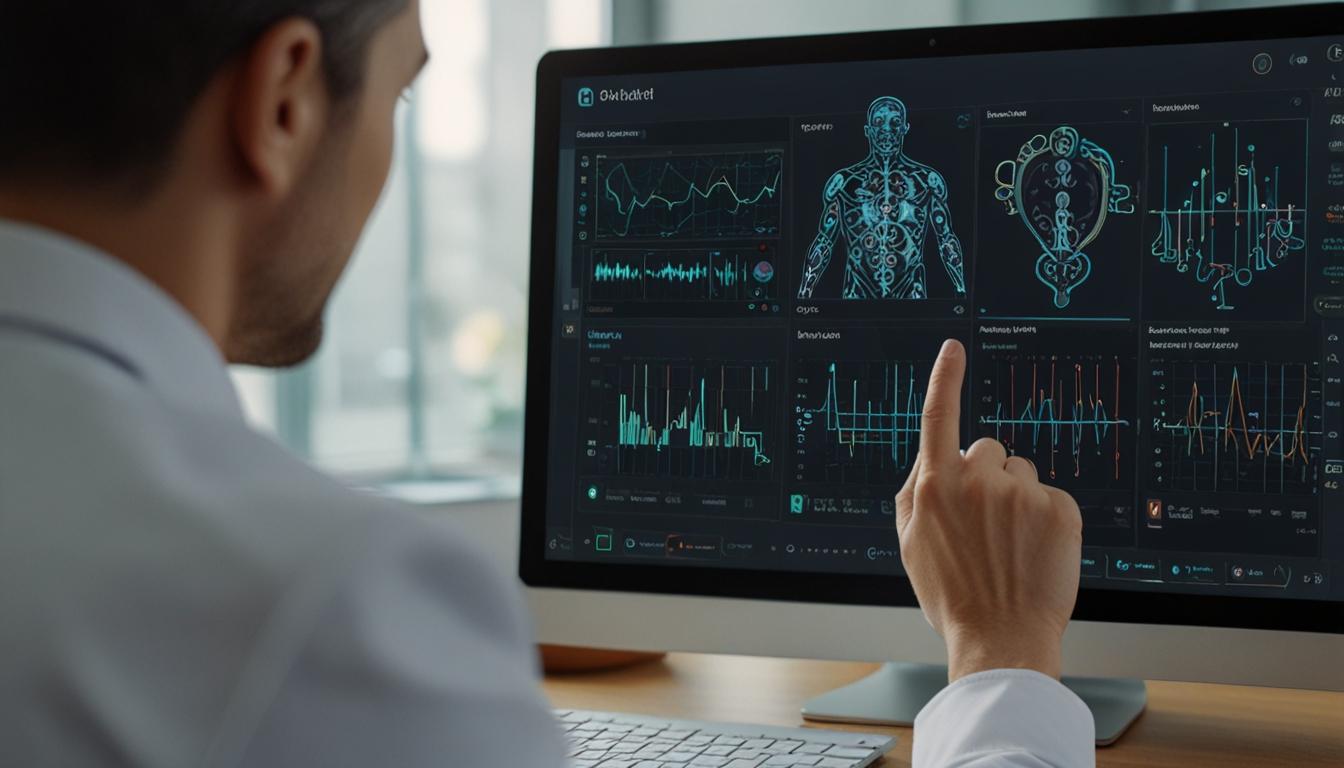
AI-Powered Responses in MyChart: Enhancing Efficiency or Raising Concerns?
In an innovative shift towards integrating artificial intelligence (AI) in healthcare communication, approximately 15,000 doctors and their assistants from 150 healthcare systems across the United States are now using AI to respond to patient messages through MyChart. MyChart, a widely-used patient portal, leverages this technology to streamline communications between medical professionals and patients.
The AI, built on GPT-4 technology similar to that which powers ChatGPT but tailored to comply with strict medical privacy legislations, provides pre-written responses to patient inquiries. When a doctor opens a patient's question, rather than starting from scratch, they are met with a suggested response crafted by the AI, which is tailored to mimic the doctor's voice. This response is informed by the patient's specific medical records and current medication lists, ensuring a personalised touch.
Though by default, recipients are not informed that an AI composed the response, transparency varies between practices. Some healthcare providers seek patient consent to utilise the AI tool, while others include a disclosure within the messages.
This technology aims to alleviate the administrative burden on healthcare providers, allowing them to address patient queries more swiftly. Ideally, doctors would spend less time composing routine responses and more time focusing on critical and complex patient care tasks.
However, this new integration of AI is not without its concerns. Questions arise about the quality and accuracy of AI-generated responses. What if the AI makes an error, and a busy doctor inadvertently approves a faulty message? While AI has shown proficiency in medical diagnostics and administration, the potential for mistakes, known as "AI hallucinations," remains a point of caution.
Epic, the Wisconsin-based company responsible for MyChart, has assured that a significant portion of AI-generated messages undergo scrutiny and editing by medical professionals. Reportedly, less than one-third of these messages are sent without any edits, indicating that doctors are actively reviewing and correcting AI suggestions as needed. Epic also emphasised that this AI tool is particularly suited for handling administrative queries, such as rescheduling appointments or providing logistical information, rather than intricate medical advice.
The healthcare landscape is continually evolving, with technology playing a central role in improving efficiency and patient care. While AI offers promising advancements, its implementation must be carefully managed to safeguard patient safety and maintain the high standard of medical advice.
Source: Noah Wire Services