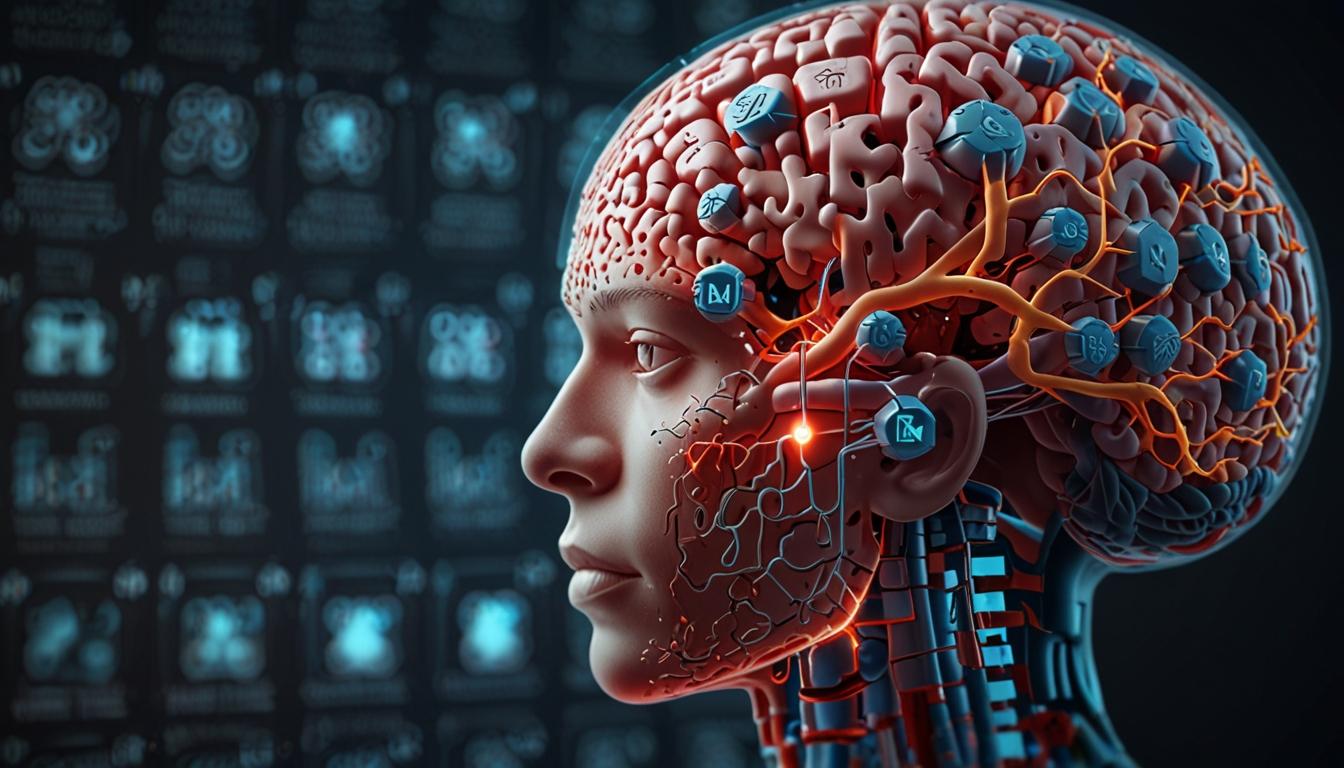
AI Tool Revolutionises Drug Discovery for Rare Diseases
Cambridge, MA – Researchers at Harvard Medical School are set to transform the medical landscape with the development of an innovative artificial intelligence tool, TxGNN, specifically designed to identify potential drug candidates for rare and undiagnosed diseases. This significant breakthrough, detailed in the 25 September issue of Nature Medicine, could provide a glimmer of hope for the approximately 300 million people worldwide who suffer from these conditions.
Globally, there are over 7,000 rare and undiagnosed diseases, collectively imposing a severe human and economic burden. Despite their widespread impact, only a small fraction—5 to 7 percent—of these conditions currently have FDA-approved treatments available, leaving the majority of patients without effective therapeutic options. The development of new treatments is a complex and challenging endeavor, often hindered by the limited understanding of these diseases and the high costs associated with drug development.
The AI model TxGNN, led by a team of Harvard scientists, marks a pioneering effort to bridge this gap. The tool has successfully identified drug candidates from existing medicines for more than 17,000 diseases, many of which lack any existing treatments. This achievement represents the most extensive scope of diseases addressed by any single AI model to date, and it holds the potential to be applied to even more diseases beyond those included in initial trials.
Dr. Marinka Zitnik, assistant professor of biomedical informatics at the Blavatnik Institute at Harvard Medical School and lead researcher on the project, underscores the transformative potential of this AI tool. "With this tool, we aim to identify new therapies across the disease spectrum. For rare, ultrarare, and neglected conditions, we foresee this model narrowing a gap that creates serious health disparities." Zitnik, who is also an associate faculty member at the Kempner Institute for the Study of Natural and Artificial Intelligence at Harvard University, adds, "This is precisely where we see the promise of AI in reducing the global disease burden by finding new uses for existing drugs, which is faster and more cost-effective than designing new drugs from scratch."
The TxGNN model boasts two principal features: one that identifies treatment candidates along with potential side effects and another that explains the rationale behind its decisions. In total, the tool evaluated nearly 8,000 medicines, including both FDA-approved drugs and those currently in clinical trials, and identified drug candidates for 17,080 diseases. It also accurately predicted which drugs might have side effects or contraindications for specific conditions—tasks that are traditionally performed through early clinical trials with considerable trial and error.
Compared to existing AI models for drug repurposing, TxGNN demonstrated nearly a 50 percent improvement in identifying viable drug candidates and was 35 percent more accurate in predicting contraindications. This superior performance underscores the advancement in drug discovery achieved by this AI tool.
Repurposing existing drugs offers an appealing strategy for developing new treatments due to the established safety profiles and regulatory approvals of these medicines. Many FDA-approved drugs are known to have multiple therapeutic effects beyond their original indications, though many of these effects are uncovered only after years of clinical use. Traditionally, drug repurposing has relied heavily on serendipity or clinicians' intuition to identify new therapeutic uses—a method far from systematic.
"We've tended to rely on luck and serendipity rather than strategy, which limits drug discovery to diseases for which drugs already exist," notes Zitnik. The new AI tool offers a strategic approach, capable of proposing new drugs for both rare diseases and those with existing treatments that could be improved or replaced due to inefficacy or side effects.
Unlike most current AI models, which are generally trained on a single disease or a small group of conditions, TxGNN draws on extensive data to make broad predictions. It identifies shared features across various diseases—such as common genomic aberrations—allowing it to extrapolate treatments from well-understood diseases to those poorly understood or lacking treatments.
To develop TxGNN, the research team trained the model with vast datasets, including genetic information, cell signaling, gene activity levels, and clinical notes. The model's performance was validated using 1.2 million patient records, accurately identifying drug candidates and predicting patient characteristics that might contraindicate certain treatments.
In a further demonstration of the tool's capabilities, researchers tested its reasoning ability against three rare conditions: a neurodevelopmental disorder, a connective-tissue disease, and a genetic condition affecting water balance. The AI model's drug suggestions aligned with current medical knowledge and successfully explained the rationales for its recommendations, highlighting its transparency and potential to increase clinician confidence.
While any therapies identified by TxGNN would require additional evaluation for dosing and delivery, its unprecedented capacity for drug repurposing represents a significant step forward. The Harvard team is already working with several rare disease foundations to further explore potential treatments, advocating the model's broad use and accessibility for clinician-scientists worldwide.
Source: Noah Wire Services