Boston Innovator Transforms Cancer Detection with Advanced AI Technology
Boston – Dr. Regina Barzilay, a professor at the Massachusetts Institute of Technology (MIT) and a cancer survivor, is leveraging her personal battle with the disease to revolutionise cancer detection using artificial intelligence (AI). Her innovative work has led to the development of an AI algorithm that significantly advances the ability to analyse mammograms, potentially identifying the onset of cancer up to five years earlier than traditional methods.
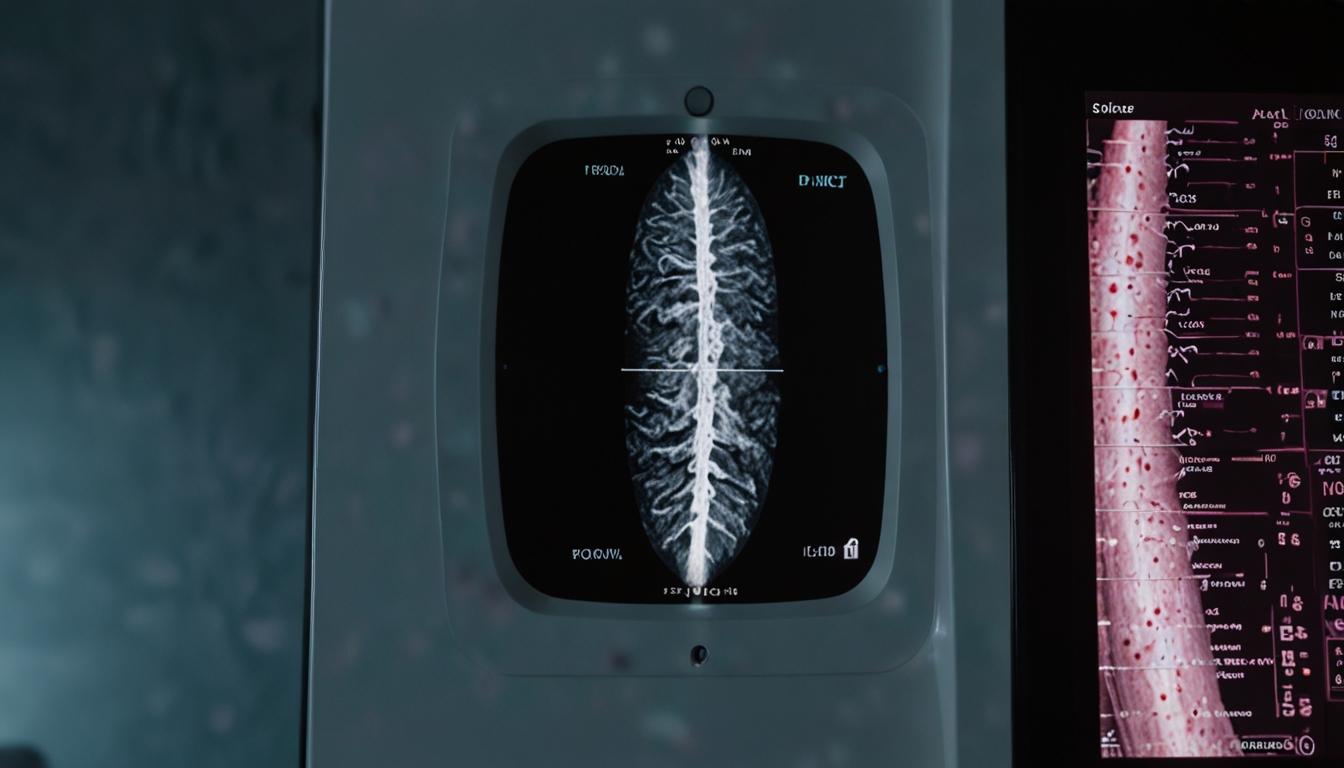
Dr. Barzilay, whose work focuses on AI applications in healthcare, has created a tool named MIRAI. This advanced AI system enhances the resolution of breast cancer screenings and assesses future cancer risks. Particularly, it is adept at identifying aggressive cancers that typically affect younger women. Remarkably, MIRAI can detect minute changes in mammograms that may go unnoticed by human eyes.
Reflecting on her journey, Barzilay reveals that her own cancer was detected by the machine learning system two years before she received an official diagnosis. This poignant discovery underscores the potential of MIRAI to save lives by facilitating earlier intervention.
Furthermore, MIRAI provides an assessment of whether a patient might be at higher risk of developing cancer in the future. This predictive capability allows healthcare providers to better monitor at-risk individuals, rather than only reacting to already apparent symptoms. “The doctor actually looks and says, ‘okay, there is some mass here, we need to maybe biopsy or investigate’. Here, we’re looking at this kind of woman that’s currently considered not having the disease, they send home, but the model can now know how, actually, these women are high-risk,” Barzilay explained.
Barzilay’s groundbreaking work in the field of AI and healthcare has not gone unnoticed. She, along with two other researchers, received the WebMD Health Heroes award for their significant contributions to medical sciences through AI innovations. This accolade highlights the impact of her research on the medical community and its potential to influence future technological advancements in health diagnostics.
Currently celebrating a decade of being cancer-free, Dr. Barzilay remains committed to empowering patients through knowledge and technology. She emphasises the importance of patients being well-informed about their health risks, enabling them to make proactive choices in collaboration with their healthcare providers. "We do have a right to know our risk and then we, together with our healthcare providers, need to manage them," she noted.
The efficacy of MIRAI has been impressive, nearly doubling the identification rate of future breast cancer cases compared to existing clinical standards. This leap forward suggests that AI-driven tools like MIRAI could soon become indispensable in the realm of medical diagnostics, potentially extending beyond breast cancer to other types of cancer in the future.
Dr. Barzilay's work symbolizes a significant step forward in cancer research, offering hope and reminding us of the power of innovation in transforming healthcare and patient outcomes.
Source: Noah Wire Services