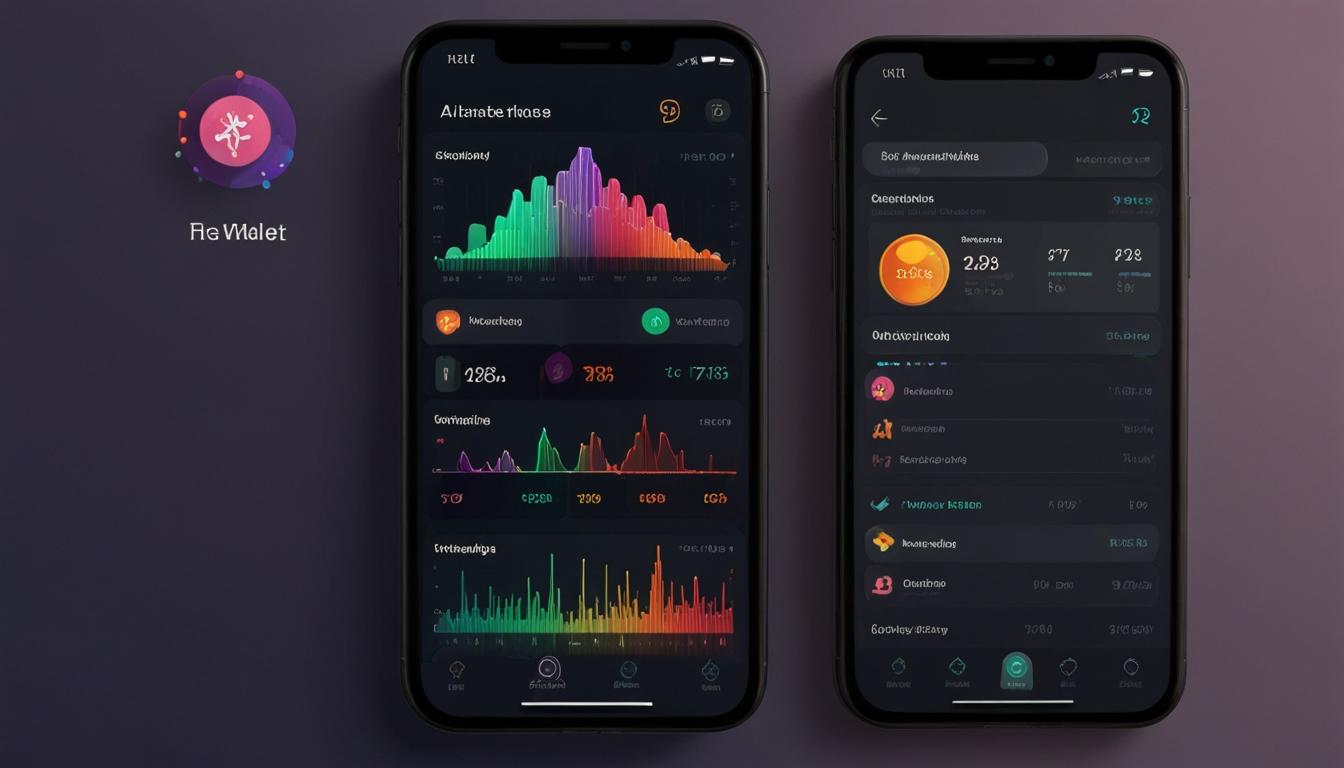
Brazilian Startup RadarFit Utilises AI to Promote Healthier Lifestyles
São Paulo, Brazil — RadarFit, a Brazilian wellness startup, has successfully integrated artificial intelligence (AI) and gamification to revolutionise the way individuals and corporate employees approach physical and mental health. Established in 2020 by three female entrepreneurs, the app has already garnered over one million users, using these advanced technologies to encourage healthier lifestyles.
Corporate Wellness Focus
RadarFit primarily caters to corporate clients, offering comprehensive health and wellness programs tailored to improve employee well-being. Chief Executive Officer Jade Utsch Filizzola highlights that these programs can significantly reduce companies' healthcare costs and the financial burden of health-related employee absences.
The health landscape in Brazil faces challenges common to many rapidly urbanizing nations, with high rates of heart disease and metabolic conditions such as diabetes and non-alcoholic fatty liver disease (NAFLD). According to the Global Burden of Disease database, Brazil's NAFLD prevalence is around 35.3%, the highest in Latin America and notably higher than the global average of 25%. As chronic conditions like these can often be mitigated with a balanced diet and regular exercise, RadarFit's approach aims to empower users to adopt healthier habits.
Real-world Impact
The success stories from RadarFit's users underscore its effectiveness. Samuel Lopes Fontes, who manages finance and human resources at agricultural cooperative Cooabriel, reported significant improvements in employee health since the introduction of RadarFit. Initially, 27 out of 470 employees signed up for the app; now, 59 are active users, and health complaints have halved within the first six months of the current year.
Lopes Fontes himself has experienced the app's benefits. After implementing the app’s recommended dietary and exercise changes, his previously diagnosed fatty liver disease went into remission.
AI-Driven Wellness
RadarFit employs Microsoft’s Azure OpenAI Service and Microsoft Copilot Studio to enhance its functionality. These technology platforms enable the app to automate marketing processes and analyse user data to offer personalised health recommendations. The application then uses a points-based system to motivate users. Participants earn points by completing various health-related tasks, which can later be exchanged for donations to social or environmental causes or redeemed for products like appliances and electronics.
Gamification Strategy
Points in RadarFit are awarded based on the complexity of the task. For instance, a 15-minute workout is worth three points, while a 60-minute session can yield nine points. Preparing a healthy meal can earn users 31 points, reinforcing the emphasis on a balanced diet, while simpler tasks like drinking a glass of water earn five points.
To further boost motivation, the app includes a feature for users to track and compare their progress with their colleagues, fostering a sense of friendly competition. Options are available for individuals who prefer not to engage in the competitive aspects.
Tatiany Duarte, RadarFit's Chief Technology Officer, believes the blend of AI capabilities and gamification can make establishing healthy routines both engaging and enjoyable. With her background in designing video games from the age of 15, she brings a unique perspective on how these elements can enhance the user experience.
RadarFit’s approach exemplifies a modern solution to age-old health challenges, leveraging cutting-edge technology to foster healthier lifestyles within corporate environments and beyond.
Source: Noah Wire Services