Exploring the Intersection of Embodied Cognition and Artificial Intelligence
Chicago—Emerging research in the field of embodied cognition is shedding light on the intricate connection between our physical interactions with the world and our cognitive processes. This expanding field of study suggests that our thoughts, reasoning, and understanding are fundamentally tied to our bodily experiences. These insights challenge the traditional notion that cognitive processes are solely a product of an isolated mind, pushing the boundaries of how we understand human thought.
Consider a personal anecdote involving a walk to Lake Michigan in Chicago. While spending a long weekend in the city, I suggested to my wife that we take a nocturnal stroll to the lake. My wife expressed hesitation, noting that walking alone at night was not something she would consider. This remark struck a chord. As a six-foot, two-hundred-pound individual, I had not experienced the same concerns. Despite my awareness of potential dangers, my physical presence mitigated my fear. Conversely, my petite wife encountered the same scenario differently. Our disparate physical embodiments shaped our perceptions and responses to the situation.
A similar instance occurred during a guided mountaineering trip in Utah. The trek involved passing through a narrow crevice, a challenge greatly influenced by body size. While my guide presumably assessed that I could pass through, my larger frame made the experience unnerving. My wife and children, significantly lighter and smaller, faced fewer physical constraints and did not experience the crevice as I did. This example highlights the profound influence of our bodies on our understanding and interaction with the world.
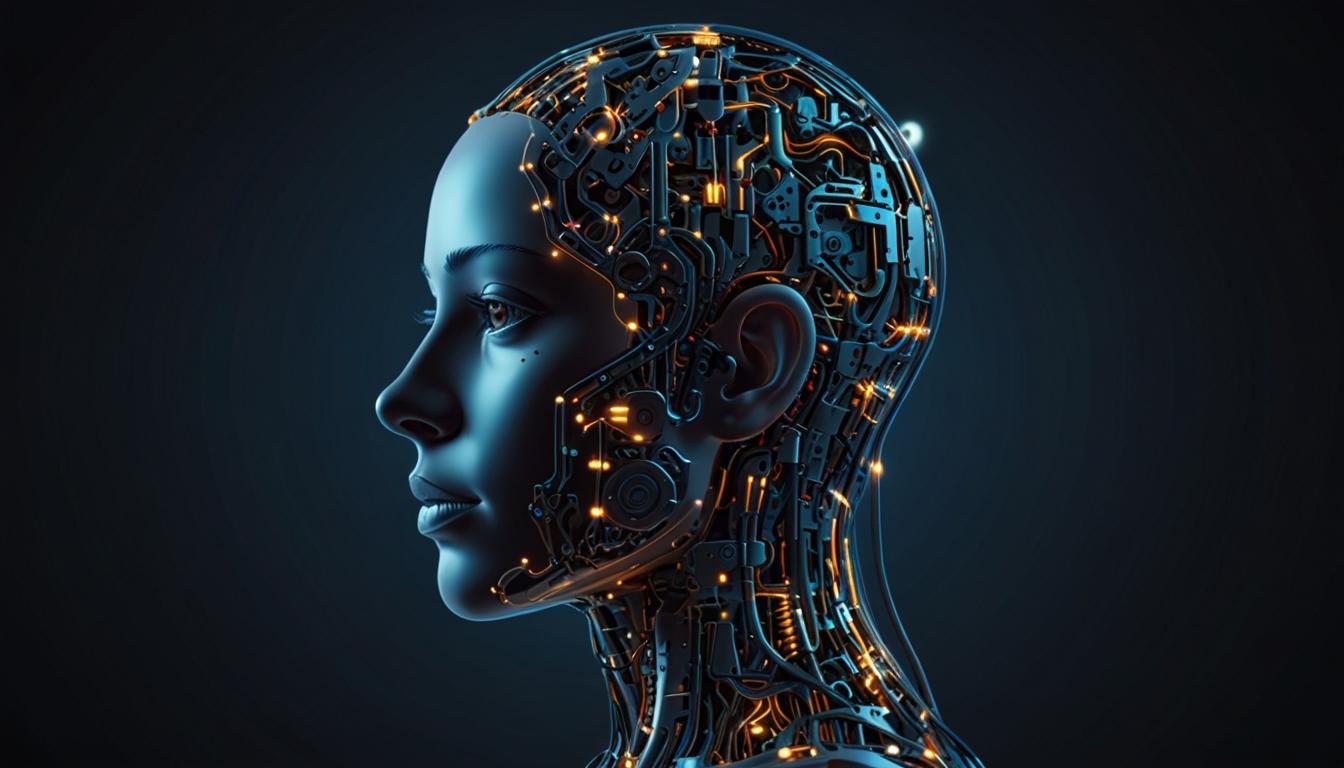
The principle of embodied cognition holds significant implications for the development and integration of Artificial Intelligence (AI). While humanoid robots and AI systems are advancing rapidly, their lack of physical embodiment means they will never "know" experiences as humans do. AI can simulate human experiences, yet it lacks the inherent physical and emotional responses that shape human cognition. This difference underscores a fundamental gap between human and artificial experience.
The differentiation between human and AI cognition raises important questions regarding the role and impact of AI in society. AI’s ability to mimic human experiences could potentially provide us with artificial insights that nearly replicate human understanding. However, the absence of genuine embodiment leaves room for differences in perception and engagement with the world.
Furthermore, the presence of AI in our environment is already altering our interactions and cognitive processes. AI introduces new elements into our surroundings, which subsequently influence the way we think and engage with our environment. This shift brings both benefits and challenges, redefining our basic human tasks and purpose.
For Christians, it raises questions about how AI will influence their engagement with the world and their spiritual goals. As AI technology continues to evolve, it becomes pivotal to consider its impact on our understanding and interaction with the world from both a cognitive and theological perspective.
The advent of AI, coupled with insights from embodied cognition, calls for a reevaluation of how we understand and interact with our increasingly technological environment. This evolving dynamic between the human mind, the body, and artificial systems will undoubtedly shape future discourses in cognitive science, AI development, and spiritual engagement.
Photo Credit: GettyImages/Bearinmind
Source: Noah Wire Services