HCL Takes Data Analytics to New Heights with its AI-Powered Data Advisor
In an era where artificial intelligence (AI) and high-compute workloads are becoming ubiquitous, businesses are persistently grappling with the challenges and opportunities of maintaining robust infrastructure standards. Addressing this need, HCL has unveiled its AI Data Advisor (HCL AIDA), a sophisticated tool designed to comprehensively support workplace data analytics needs through advanced AI and machine-learning technologies.
HCL AIDA is engineered to identify patterns and anomalies within key performance indicators (KPIs), offering a seamless solution to early detect workflow execution issues. By comparing historical data and metrics gathered through workload automation, HCL AIDA can pinpoint potential problems, alerting users through warning signals and thereby reducing operational risks. This holistic approach benefits product administrators, lines of business administrators, and operators by providing timely insights and facilitating smarter, informed decisions.
Anomaly Detection: A Critical Process
Anomaly detection, also known as outlier or novelty detection, is integral to many modern operations, helping identify rare events or observations that deviate significantly from the norm. The significance of anomaly detection extends across various domains, including cybersecurity, medicine, machine vision, statistics, neuroscience, law enforcement, and financial fraud. Through this process, businesses can identify and prevent security breaches, protecting sensitive customer information and maintaining trust across all customer segments. Thus, anomaly detection has become a cornerstone of modern enterprise operations.
Enhancing Operational Efficiency with HCL AIDA
HCL AIDA enhances operational efficiency by identifying patterns and anomalies in KPI trends, such as the number of completed tasks, task duration, and task end-times. Its microservice-based architecture provides rapid, streamlined insights, ensuring intelligent workload management. HCL AIDA’s capabilities in root cause analysis and risk assessment allow it to alert users on a workflow dashboard or via email, thus ensuring service level agreements (SLAs) are met. This functionality empowers businesses to make transformative decisions, ultimately driving superior outcomes.
Architectural Excellence
HCL AIDA comprises several components, including AIDA Exporter, AIDA Engine, and Elasticsearch technology. The architecture is adept at handling a multitude of data points, ensuring efficient workload management through its utilisation of Nginx as an HTTP and reverse proxy server.
- AIDA Exporter: Adhering to the OpenMetrics standard, AIDA Exporter extracts KPI metrics and alerts from HCL Workload Automation, storing the data in the AIDA OpenSearch database.
- AIDA Engine: This core component features several parts:
- Predictor: Calculates expected values for each KPI, accommodating special days.
- Anomaly Detection: Identifies anomalies in KPI trends by comparing observed data with expected values.
- Alert Generation: Triggers alerts when certain conditions are met.
- Email Notification: Sends notifications upon alert generation.
- Orchestrator: Manages the orchestration of KPI prediction and anomaly detection.
- UI: Functions as the AIDA User Interface.
- Internal Event Manager: Facilitates communication among AIDA services.
Practical Application in Real-World Scenarios
To illustrate HCL AIDA's practical benefits, consider Jason, an HCL Workload Automation operator at a large bank. Jason's task is to promptly identify workload issues, understand their impacts, and notify the relevant personnel. During a critical batch processing session, Jason receives an alert on the workload dashboard indicating that the number of completed jobs in the loan and mortgage folder is below expectations.
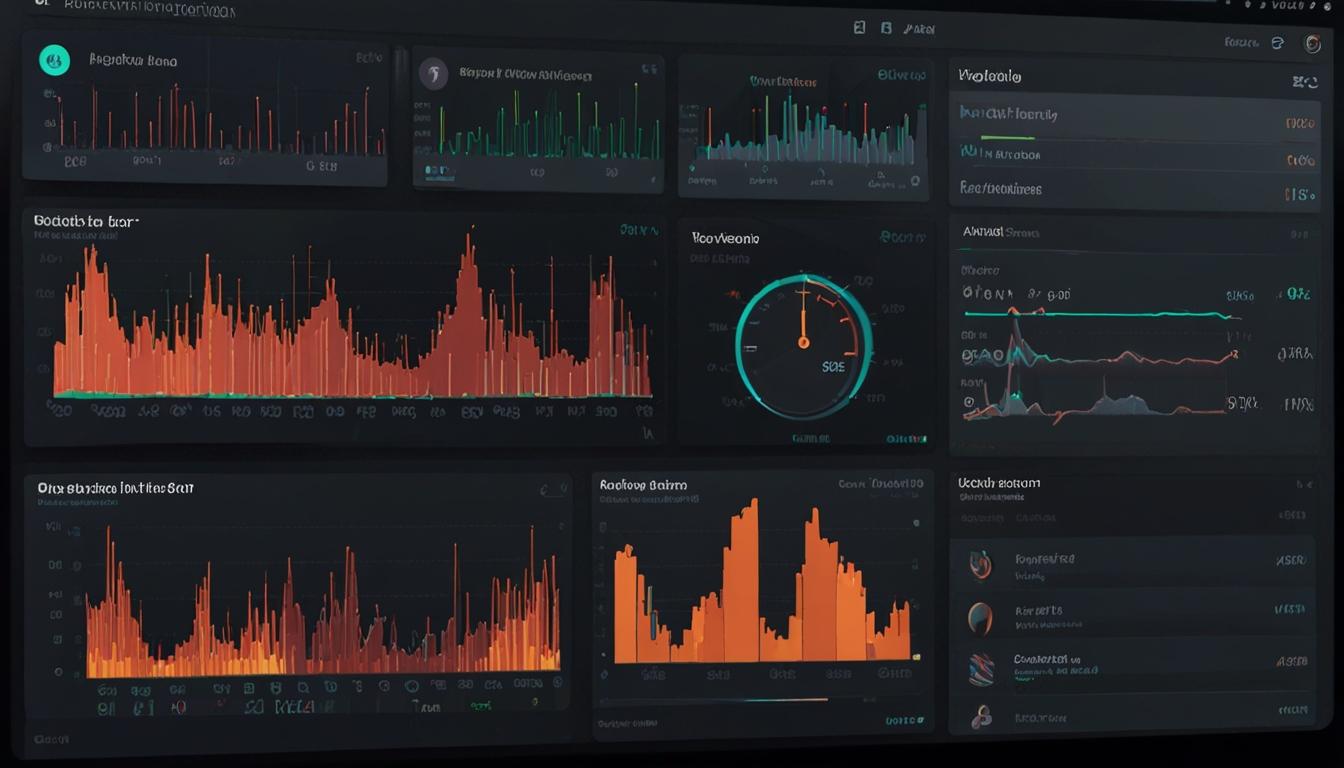
By accessing the AIDA UI from the dashboard, Jason can analyse the anomaly report in-depth. The UI presents a graph depicting the number of jobs completed, along with an expected range of values, statistically defined based on historical data. Anomalies are visually highlighted, enabling Jason to compare the current trend with similar days or historical data. This capability allows Jason to swiftly identify and address issues, mitigating potential impacts on the bank's operations.
In summation, HCL AIDA stands out as a robust tool for enhancing the efficiency and reliability of business operations through advanced AI and machine-learning technologies. It not only identifies and addresses workflow anomalies but also empowers businesses to maintain high standards of data integrity and operational efficiency.
Source: Noah Wire Services