Increasing School Safety with Advanced Security Measures
A recent report by Pew Research reveals that nearly one in four public school teachers experienced a gun-related lockdown at their school last year. Such incidents pose significant risks to the mental health and well-being of the more than 50 million children attending public schools across the United States. The increasing frequency of these lockdowns is forcing educational institutions to seek innovative solutions to maintain a secure environment for students and staff.
Amid this challenging landscape, schools across the nation are exploring methods to bolster safety measures while preserving the welcoming atmosphere crucial for effective learning. Emerging technologies, particularly those involving artificial intelligence (AI), are at the forefront of these efforts. AI detection technologies are proving instrumental in efforts to prevent school shootings by leveraging existing security infrastructure to identify potential threats swiftly and accurately.
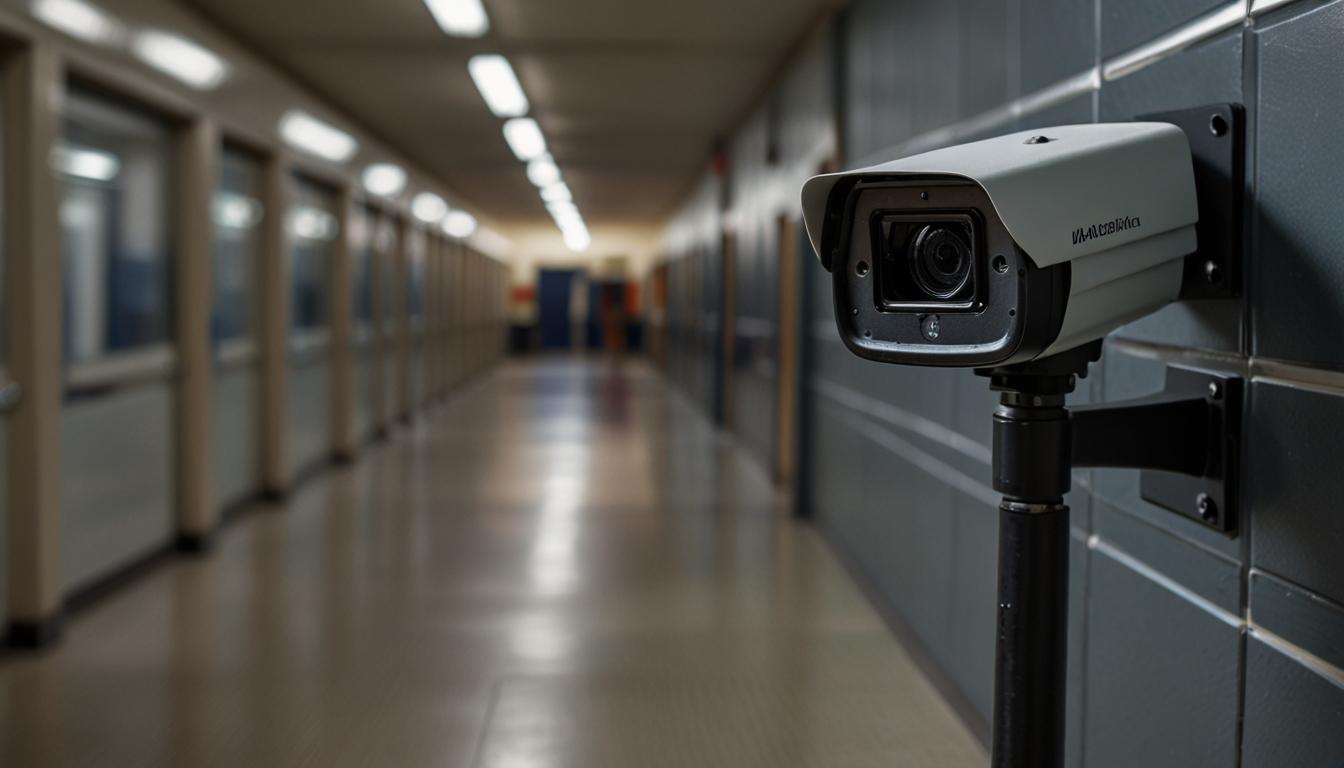
AI-based weapon detection algorithms utilise the school's security cameras to monitor for weapons. Upon identifying a potential threat, these systems send images to a command centre, where trained personnel quickly confirm or refute the alert. This process can take as little as three seconds, allowing the system to notify first responders and school authorities almost instantaneously. The rapid response ensures that even if first responders take minutes to arrive, the assailant will hear sirens within seconds, which could deter further violence or slow the threat's advance. Immediate action by school authorities, tailored to the exact location of the threat, can significantly enhance the safety of students and staff during critical moments.
One of the key advantages of AI monitoring systems is their ability to safeguard student privacy. The technology does not record behaviour but focuses solely on detecting weapons. Video recording is activated only when a weapon is identified, ensuring privacy is maintained until a threat necessitates intervention.
However, AI monitoring is not without limitations. For example, bathrooms and other private areas are typically not under video surveillance, making them potential blind spots. Schools can mitigate this risk by installing sensors that detect sounds indicative of a security threat, such as gunshots, without recording visuals. These acoustic sensors can alert school administrators who can then respond appropriately. This approach adds another layer of security, enhancing the overall effectiveness of the surveillance system.
Detection is just one aspect of an effective school security strategy. Other measures, such as installing bullet-resistant glass in entryways, provide additional protection. This specialised glass can slow an assailant's progress, giving AI systems more time to detect the weapon and alert authorities. Once a weapon is drawn and the glass is targeted, the weapon detection workflow is triggered, and sirens sound almost immediately, forcing the attacker to reconsider their actions.
The cost implications of these advanced security measures are significant, posing a challenge for schools with constrained budgets. Nevertheless, AI-based solutions can be a cost-effective force multiplier, enhancing existing security measures without requiring extensive financial outlay. By integrating AI weapon detection, bullet-resistant glass, acoustic sensors, and other modern security technologies, schools can create a multi-layered defence system designed to protect students and staff from potential threats.
These advanced security technologies are not futuristic—they are available today and can be deployed to safeguard school environments. By taking proactive measures, schools can create safer educational settings, protecting current and future generations of students.
Source: Noah Wire Services