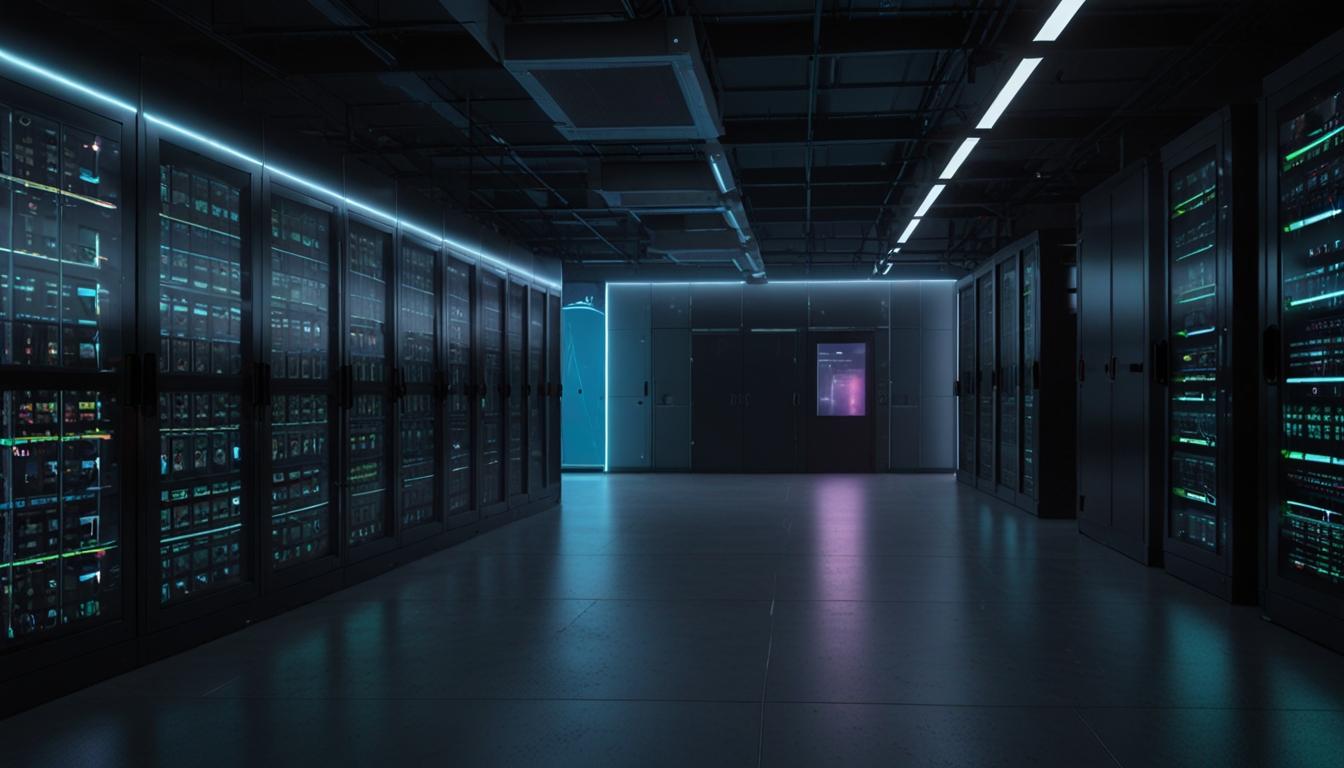
OpenAI Proposes Ambitious 5-Gigawatt AI Data Centers in the US
Washington D.C., USA — OpenAI, a leading artificial intelligence company, is eyeing a monumental plan to bolster the AI infrastructure across the United States by establishing multiple 5-gigawatt (GW) data centers in key cities. This proposal was reportedly presented to the White House by OpenAI's CEO, Sam Altman, following a recent meeting with the Biden administration, as per a Bloomberg report.
The Proposal
The envisioned 5 GW data centers, each akin to the output of five nuclear reactors, would necessitate colossal energy resources – enough to power a city with about 3 million homes, according to a document reviewed by Bloomberg. These facilities are intended to advance AI capabilities within the US, safeguard national security, and provide a robust counter to Chinese technological advancements.
Rationale and Economic Implications
OpenAI asserts that these data centers are crucial for maintaining the US’s edge in AI development. The company anticipates creating thousands of jobs while solidifying the nation’s global leadership in AI. Given the scale of energy required, OpenAI has appealed for supportive policies to enhance data center capacity, warning that lagging behind in AI infrastructure could have detrimental national security repercussions.
Energy Challenges
To successfully power a single 5-GW data center presents formidable challenges. Energy executives highlighted nationwide delays in power projects due to lengthy grid connection wait times, permitting delays, supply chain issues, and labour shortages. John Ketchum, CEO of NextEra Energy Inc, noted that these data centers would likely require diversified sources of energy including new wind and solar farms, battery storage, and grid connections.
One energy executive, Joe Dominguez of Constellation Energy Corp, expressed scepticism regarding the feasibility of OpenAI’s plan. Highlighting the immense challenge, Dominguez suggested that the timeline for such projects could extend beyond what is needed to address imminent national security threats.
Strategic Deployment
Currently, OpenAI is focusing on launching an initial data center before expanding to various cities across the US. Early discussions propose sites in Wisconsin, California, Texas, and Pennsylvania. This followed the Biden administration’s announcement of a new Task Force on AI Datacenter Infrastructure, aimed at coordinating government policy to support such developments.
Corporate Moves
This development arrives against the backdrop of OpenAI's chief investor, Microsoft, securing a 20-year deal with Constellation to re-open Pennsylvania’s decommissioned Three Mile Island nuclear plant to provide energy for AI data centers. However, the energy yield from this initiative (approximately 835 megawatts) falls significantly short of the 5-GW demand envisioned by OpenAI.
Industry Perspectives
The data center boom is poised to significantly impact energy markets. A report by Goldman Sachs projects a 160% increase in data center power demand by 2030. Companies like Microsoft have been leveraging AI to streamline proposals for securing government approvals for new energy plants.
Evolving Energy Landscape
The surge in energy demands from data centers is revamping energy strategies, with an increasing tilt towards clean energy sources. Kelly Sanders from the White House’s Office of Science and Technology Policy suggested that load growth from these data centers could foster clean energy developments.
Industry experts are keen on ensuring that new clean energy technologies such as advanced geothermal and fusion become viable solutions to meet the increasing demand. This perspective was shared by various speakers at Climate Week in New York City, highlighting the potential for AI and data centers to catalyse clean energy innovations.
Conclusion
OpenAI’s proposition is a significant stride towards fostering AI advancement in the US but meets with substantial logistical and energy-related challenges. As discussions evolve, the interplay between burgeoning AI infrastructure needs and sustainable energy solutions will continue to shape the strategic decisions of the administration and energy sectors alike. The road ahead will require innovative approaches to meet the power demands urgently and sustainably.
Source: Noah Wire Services