Texas Publishes Varied Opinions Amidst Increasing Challenges
Dallas, Texas – September 27, 2023 – A diversity of opinions and editorials have surfaced in recent publications, highlighting some pressing concerns and potential solutions for public policies and community issues within Texas and beyond. These articles bring to light the perspectives on a range of topics from cell phone bans in schools, the future of nuclear energy, to forest fire prevention and population control.
In the realm of education, an editorial has proposed a contentious notion: banning cell phones in Texas public schools. This proposition comes as schools continue to search for effective ways to reduce distractions and enhance educational outcomes. The editorial reiterates the belief that cell phones, while valuable in many contexts, contribute significantly to disturbances in the classroom environment.
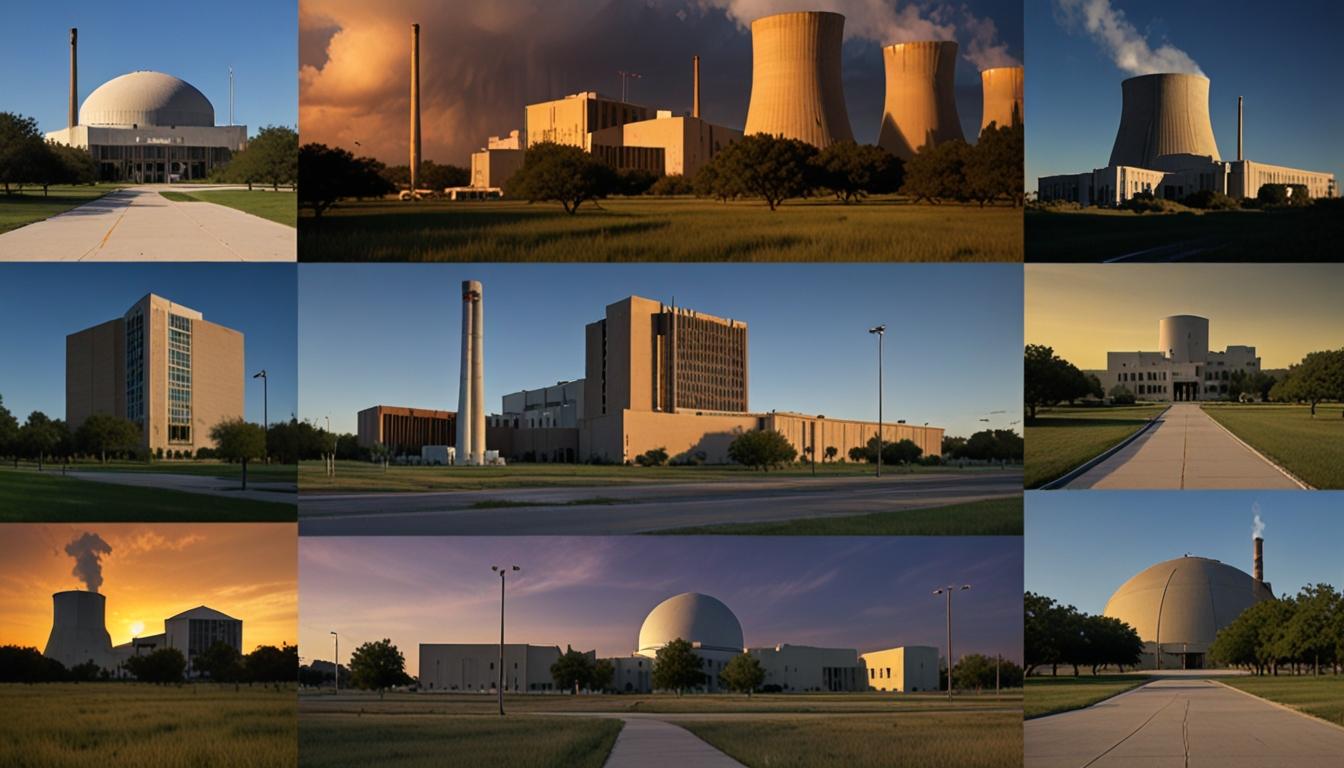
On the energy front, another editorial outlines a possible path forward for nuclear energy in Texas. Given the state's existing relationship with fossil fuels and growing energy demands, nuclear energy is posited as a viable and green alternative. Proponents argue that bolstering nuclear energy infrastructure could diversify Texas's energy portfolio and reduce environmental impacts.
Further, a pressing commentary encourages Texans to embrace data centres. It highlights the critical role of these centres in supporting the massive data needs of modern industries and urban developments. By fostering more data centre developments, Texas can position itself as a leader in technological infrastructure, meeting the digital demands of an evolving economy.
In a more community-focused discussion, one piece celebrates the forthcoming Oak Lawn Place, envisioned as a welcoming community for seniors in Dallas. This development is seen as a critical stride in addressing the needs of an ageing population, providing them with inclusive and supportive living spaces.
Switching focus to environmental conservation, a reader op-ed points out the recurring issue of wildfires in Southern California, proposing practical solutions enriched with data and artificial intelligence. The writer from Agoura Hills advocates for predictive technology to identify fire-prone areas and suggests proactive measures like increasing patrols and aerial water drops to mitigate large-scale fires.
Luke Zaelke from Chatsworth underscores a different approach, suggesting that closing public lands during extreme fire conditions might be an effective preventive measure. Zaelke argues that restricting access temporarily can preserve the forest ecosystem, ensuring it remains a cherished natural escape for future generations.
A more radical viewpoint is presented by Mike Post of Los Osos, who connects ecological preservation directly with human population control. Post asserts that smaller global populations could alleviate pressing demands on natural resources, thereby reversing various social and environmental problems through incentivising smaller family units.
As varied as these perspectives are, they collectively paint a picture of a society grappling with significant issues—from educational reforms and energy innovation to population dynamics and environmental conservation. It is evident that these editorial and opinion pieces are instrumental in sparking further dialogue and potentially guiding policymaking in Texas and beyond.
This collection of viewpoints reflects the complex interplay of community values and practicalities in addressing contemporary issues, helping readers make sense of rapidly changing socio-economic and environmental landscapes.
Source: Noah Wire Services