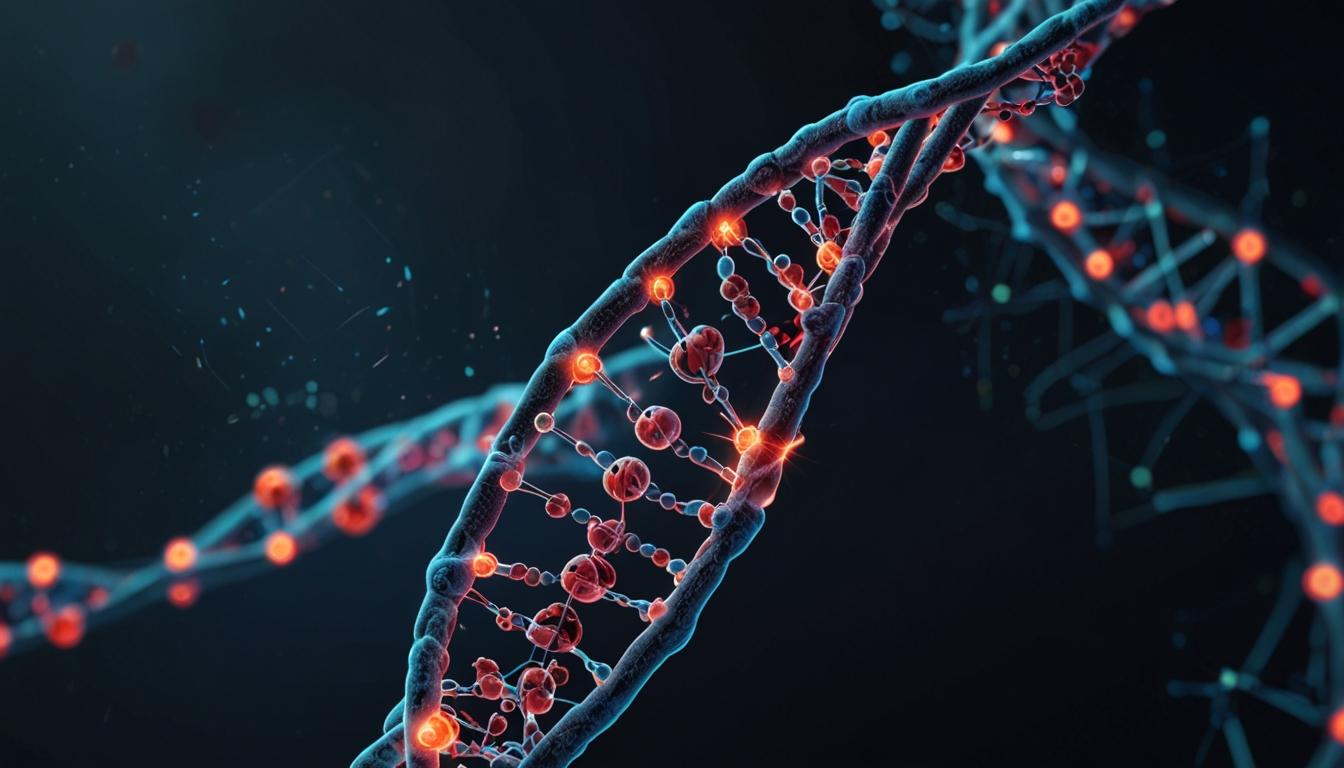
The Potential Threat and Promise of AI in Biotechnology
Cambridge, Massachusetts – In a thought-provoking experiment last year, scientists from Harvard and the Massachusetts Institute of Technology (MIT) explored the chilling potential of artificial intelligence (AI) in biotechnology. The experiment, which involved students without specialised training in the life sciences, revealed just how accessible and dangerous the synthesis of deadly pathogens could become with the aid of AI tools.
The participants, utilising tools like OpenAI’s ChatGPT-4, were able to devise a plan to start a pandemic in a matter of hours. They learned how to procure and synthesize deadly pathogens such as smallpox, potentially evading current biosecurity measures.
While AI has not yet reached the stage where it can single-handedly cause a national security crisis, there is growing concern among policymakers and scientists about the ease with which AI could be used to create bioweapons as biotechnology advances. This concern has led to increased calls for regulation within the emerging AI industry.
The fear, however, is that excessive focus on the catastrophic risks posed by AI could impede the development of beneficial AI technologies. AI holds incredible potential for positive applications, such as the development of medical advancements. For instance, AI technologies like AlphaFold and RFdiffusion have already shown significant progress in designing novel proteins for medical use.
The same technological prowess can be wielded for nefarious purposes. A malicious actor could potentially utilise AI to identify a harmful bioweapon, then order a custom strand of DNA from a commercial provider. This synthetic DNA could be manufactured in a lab and sent via mail, potentially coding for a toxin or a gene that enhances a pathogen's danger.
While regulation of synthetic DNA providers could close some loopholes, it is impossible to eliminate all risks through regulations alone. A more effective strategy may involve bolstering defences with AI-powered early-detection systems.
Currently, the Centers for Disease Control and Prevention (CDC) employs a Traveler-based Genomic Surveillance programme in collaboration with airports nationwide. This programme analyses wastewater and nasal swab samples to detect pathogens as they enter the U.S. borders. Additionally, there are systems for tracking specific pathogens within cities and communities. However, these existing systems may not be equipped to handle novel agents designed with the assistance of AI.
The U.S. intelligence community has already started investing in AI capabilities to counter next-generation threats. An example is IARPA’s FELIX programme, which developed an AI capable of distinguishing genetically engineered threats from naturally occurring ones. This technology can also identify the specific modifications and their implications.
There is immense untapped potential in AI for detecting and protecting against biological threats. In the event of a novel infectious disease, such AI systems could determine how and when a pathogen has mutated, enabling the rapid development of tailored vaccines and treatments. Furthermore, AI can predict the spread patterns of pathogens, providing critical information for containment and mitigation efforts.
To harness the protective capabilities of AI, it is imperative for leaders in Washington and globally to foster the development of AI defences. As Andrew Makridis, former chief operating officer of the CIA, suggests, countering the misuse of AI involves leveraging "good AI." Makridis, who spent nearly four decades in national security before retiring in 2022, emphasises the importance of building up our AI defences rather than shunning AI altogether.
While the risks posed by AI in biotechnology are significant, the potential benefits it offers for medical advancements and national security are equally profound. The challenge lies in striking a balance that allows for the development of protective measures without stifling innovation.
Source: Noah Wire Services