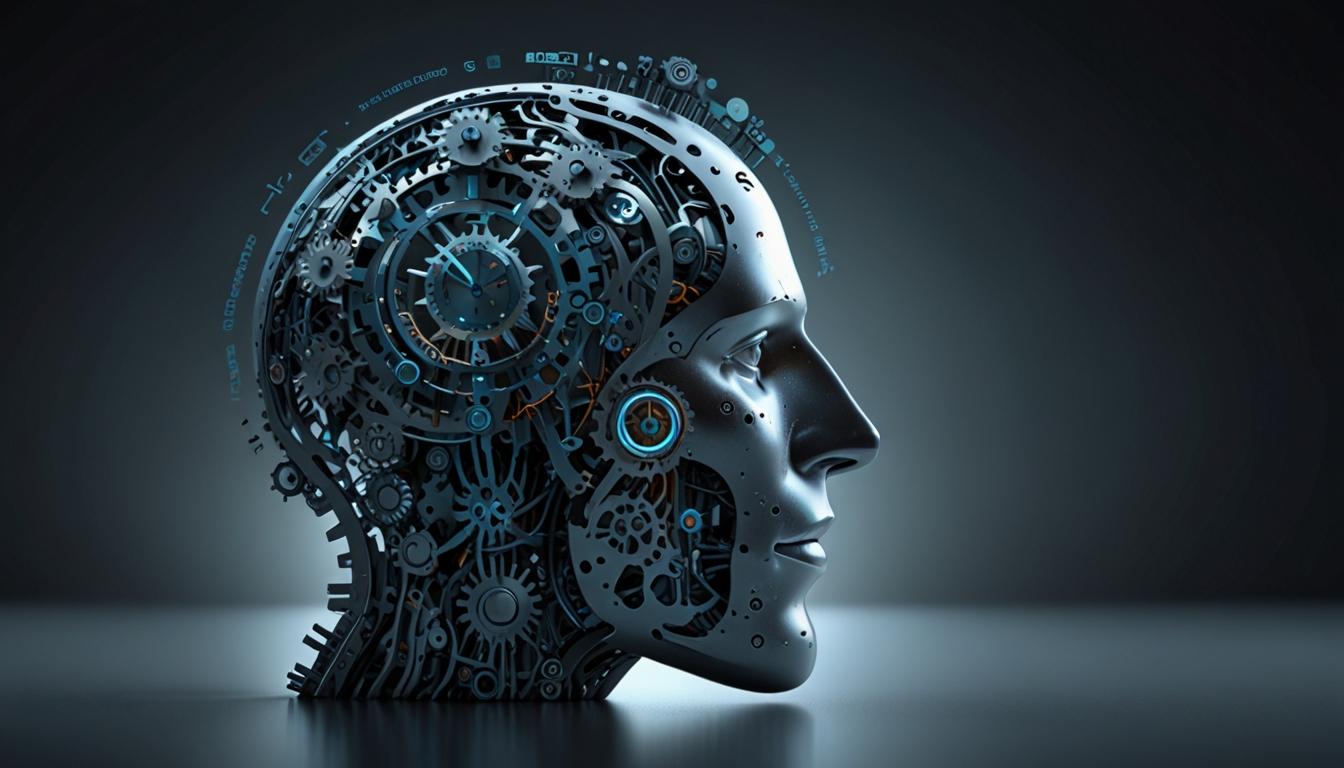
The Real Challenge of Artificial Intelligence: Managing Expectations
By Navneet Alang
As artificial intelligence (AI) continues to develop at an unprecedented pace, a wave of apprehension has emerged about the potential for computers to surpass human control, leading to a dystopian future dominated by autonomous machines. This mounting concern has garnered significant attention, influencing both public opinion and policy discussions.
However, a critical examination reveals that the more pressing issue may not be the machines themselves but rather the misconceptions and exaggerated expectations surrounding AI capabilities. This narrative of an imminent takeover by intelligent systems has overshadowed more immediate and practical considerations.
The alarmist perspective frequently portrays AI as a monolithic entity poised to acquire dominion over essential aspects of human life, from employment to decision-making processes. Such scenarios are not without historical precedent - similar fears accompanied the advent of previous technological revolutions, including the proliferation of computers and the internet.
In reality, AI, in its current state, functions based on complex algorithms capable of performing specific, narrowly defined tasks with high efficiency. These systems excel in roles such as data analysis, predictive modelling, and pattern recognition, supplanting traditional methods and introducing enhanced accuracy and productivity. Nevertheless, they lack the generalised, autonomous intelligence often depicted in science fiction.
The framing of AI as an infallible and uncontrollable force risks overshadowing the tangible benefits and challenges inherent in its integration. For instance, the focus on hypothetical existential threats can divert resources and attention from addressing issues related to bias in AI algorithms, privacy implications, and the socio-economic impact of automation on the workforce.
Moreover, the hype surrounding AI can influence market dynamics and policy decisions, leading to misguided investments and regulations that stifle innovation or fail to address actual risks effectively. Policymakers, industry leaders, and technologists must navigate these narratives carefully, fostering an environment that recognises both the potential and the limitations of current AI technologies.
It is essential to strike a balance between cautious optimism and grounded pragmatism. Understanding the capabilities and boundaries of AI will enable more informed discussions about its role in society. Emphasising realistic applications and fostering transparent communication about the technology's development can mitigate fears and create a more constructive dialogue.
In summary, while the notion of AI achieving dominion over humanity is compelling, it is the hype and misconceptions that pose a more immediate threat. The real challenge lies in managing expectations and focusing on realistic, beneficial applications whilst addressing genuine concerns related to the deployment and impact of AI. The discourse should shift from speculative dystopias to nuanced, informed conversations that guide responsible and innovative AI development.
Source: Noah Wire Services