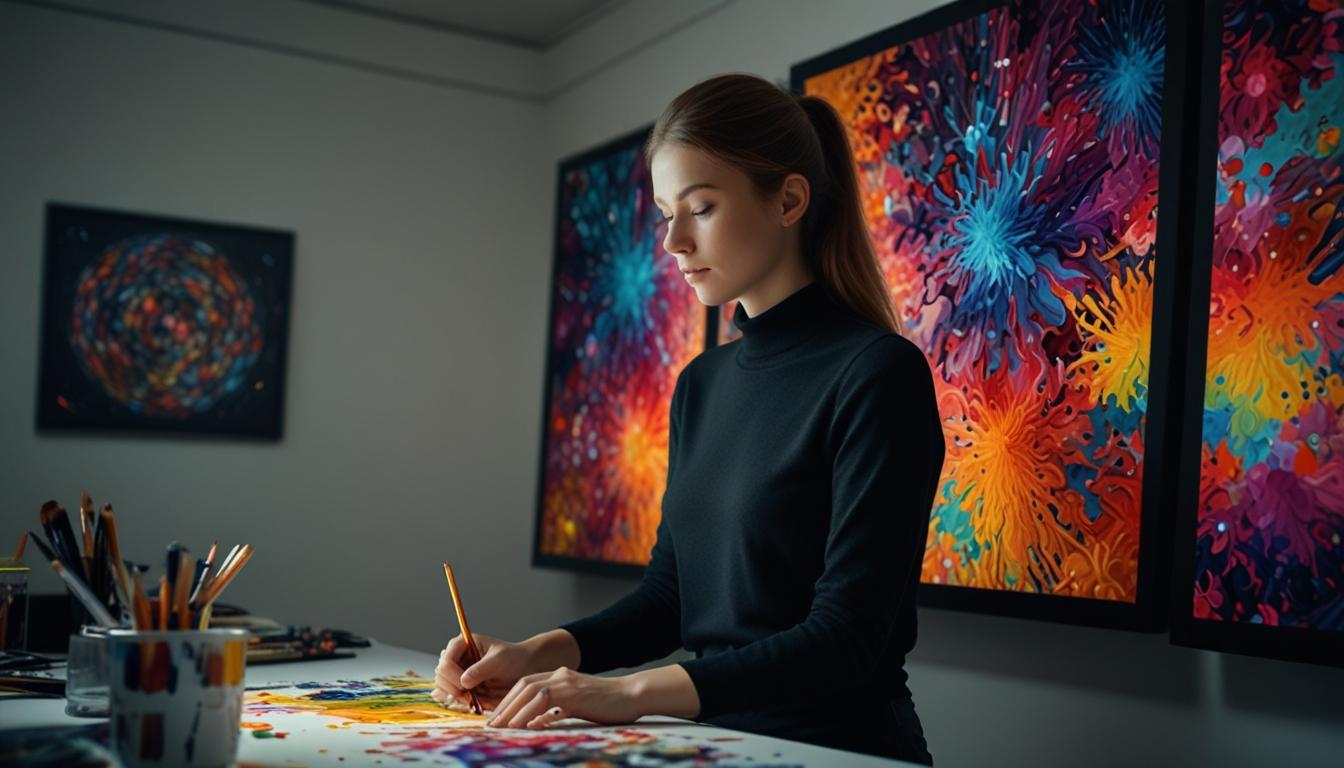
A Guide to Creating Custom Images with Generative AI
The past few years have witnessed an extraordinary surge in generative artificial intelligence technologies, opening up avenues for creating entire images and video clips from simple text prompts. This capability, often referred to as "generative AI," relies on complex algorithms and expansive databases to produce content that adheres to user specifications. Yet, navigating this burgeoning field can be overwhelming for novices and even seasoned digital creators alike.
Choosing the Right AI Generator
Selecting an appropriate AI image generator is the first step in creating custom images. With so many options available, it’s crucial to identify the service that aligns with your project’s needs, budget, and your level of experience. According to extensive testing and reviews, here are some recommended programs:
Dall-E 3 by OpenAI: CNET’s Editor’s Choice, Dall-E 3 excels in prompt adherence and offers a conversational flow for easy post-generation edits. Subscribers need a ChatGPT Plus account, priced at $20 per month. While OpenAI may use generated content for model training, users can request to opt out.
Leonardo AI: Acquired by Canva, Leonardo offers a robust free plan with extended features available via subscription. It provides various artistic styles and a unique prompt improvement tool to enhance simple ideas into detailed, creative results.
Canva's Magic Media Generator: Geared towards beginners, Canva’s tool is highly intuitive. It offers 50 free image generation credits, though additional credits require subscribing to the Pro plan. Users are automatically opted out of having their content used for further AI training.
Crafting Effective Image Prompts
The success of generating high-quality images starts with a well-composed prompt. Your prompt should describe characters, settings, and dimensions, while also delving into finer details such as artistic style, aesthetic, and colour schemes. For instance, while Leonardo AI might falter on abstract requests like "cottage core coastal grandma," it excels with more descriptive prompts like "rustic feel with blues and warm light."
Generative AI systems contain safeguards to prevent misuse. For example, Dall-E 3 will decline requests involving public figures for privacy and ethical reasons. Familiarising yourself with your chosen service’s safety policies ensures adherence to platform rules.
Editing and Refining Generated Images
Post-generation editing can be a necessary step to achieve the desired outcome. Most AI services offer built-in editing tools, though these vary in functionality. It’s advisable to avoid excessive edits to prevent distorting the image, which can render it unusable. If AI editing tools fall short, revisiting and fine-tuning your prompt often yields better results.
Crediting AI-Generated Images
Appropriately crediting AI-generated images is crucial, especially as these tools become more sophisticated. Many services, such as Meta AI, embed a watermark or label to indicate AI origin. However, several other popular services, including Dall-E, Midjourney, and Canva, do not automatically add such identifiers. If you’re sharing AI-generated images online, it’s good practice to credit the AI service used in the caption, description, or alt text to clearly distinguish these from human-created works.
Legal and Ethical Considerations
While the creation of AI-generated images is currently legal, there are pivotal legal and ethical questions surrounding these technologies. AI models like Midjourney and Dall-E, which depend on human-created content, have spurred significant debate within the industry. Concerns over copyright and artist compensation have led to high-profile lawsuits, such as the ongoing case against Stable Diffusion.
To navigate these ethical waters, choose AI services that transparently disclose their training data sources. For example, Adobe Firefly claims to use only content from Adobe Stock and public domain images whose copyrights have expired. Regular users of AI art should stay informed about evolving legal and ethical standards, which are subject to change as the technology progresses.
In conclusion, generative AI image services present a fascinating intersection of technology and creativity, offering unprecedented possibilities for digital creators. By carefully selecting a service, crafting effective prompts, editing judiciously, and respecting legal and ethical boundaries, users can successfully harness the power of AI to produce remarkable visual content.
Source: Noah Wire Services