Advancements in Power Electronics and Electric Vehicle Technologies
Recent developments in the field of power electronics are set to bring significant transformations across various sectors, particularly in electric vehicles (EVs) and consumer electronics. This week, key announcements and innovative strategies highlight the ongoing evolution in these industries.
Silicon Carbide Innovates Electric Vehicles
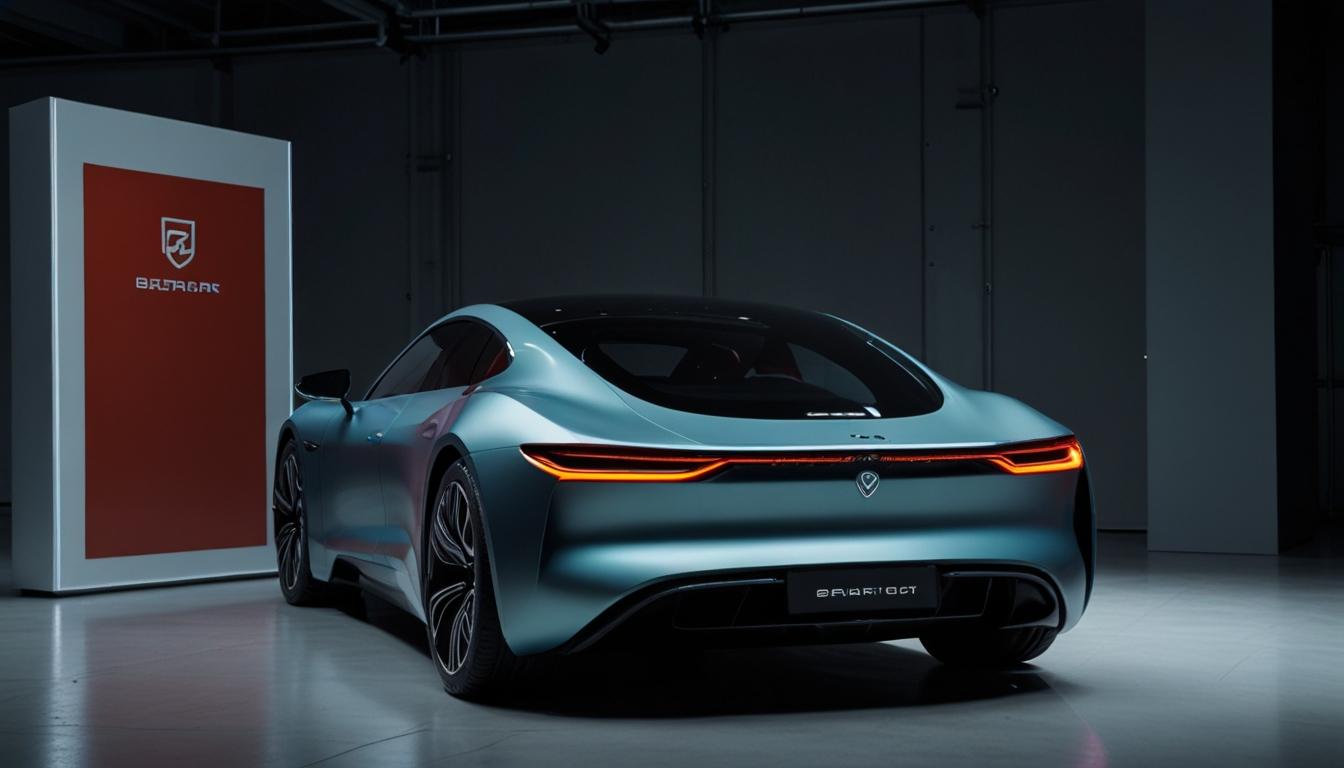
Silicon Carbide (SiC) technology is poised to revolutionise the electric vehicle market. Traditionally utilised in premium models, SiC devices are now being integrated into mid-size and compact electric vehicles. The integration of SiC is expected to enhance the efficiency and performance of these vehicles by offering reduced electrical losses and higher power densities. This move represents a significant step forward in making advanced EV technology more accessible to a broader market segment.
Versatile Converter for Consumer Electronics
A new type of power converter has been unveiled, demonstrating compatibility with a wide range of consumer electronics, including televisions, smartphones, tablets, and power tools. This development promises to streamline the power supply needs of various electronic devices by providing a more efficient and universal solution. The versatility of this converter is likely to reduce the need for multiple adapters and chargers, simplifying user experiences and potentially reducing electronic waste.
Medical Equipment Power Supply
In the sector of medical equipment, a high-performance, compact power supply family has been introduced. These new power supplies conform to stringent safety standards, a critical requirement in the medical field, where reliability and safety are paramount. The innovation here lies in providing these advanced features without the need for custom designs, making it easier for medical device manufacturers to integrate these power supplies into their products.
Innovative ZCC Control Strategy
An article based on a recent IEEE paper has proposed an innovative Zero Current Crossing (ZCC) control strategy designed to overcome specific limitations in current systems. This strategy is expected to significantly improve the efficiency and performance of various electronic devices. By enhancing the control mechanisms within power electronics, the ZCC strategy can lead to better energy management and reduced power loss, offering a substantial improvement over existing technologies.
Polarization Measurement Advancements
Advancements in polarization measurement methods necessitate a fundamental shift in understanding, particularly in the design and functionality of nitride devices. Enhanced polarization measurement techniques are crucial for the development of more efficient nitride semiconductor devices, which are widely used in various high-frequency and high-power applications. These advancements are expected to lead to better device performance and greater overall efficiency.
Collaborations in Electric Drive Development
Hofer Powertrain, a global leader in drivetrain solutions, has partnered with Deptech and machine learning expert Monumo to accelerate the development of electric drives. This collaboration leverages advanced machine learning techniques to innovate and refine electric motor designs, potentially leading to more efficient and powerful electric drivetrains. The partnership highlights the growing importance of AI and machine learning in the advancement of EV technologies.
These developments underscore the dynamic nature of the power electronics and electric vehicle industries. As technologies evolve, continuous innovation is driving the creation of more efficient, versatile, and accessible solutions. For ongoing updates and in-depth analyses, readers can explore the News Archives and Technical Articles Archives at Power Electronics News.
Source: Noah Wire Services