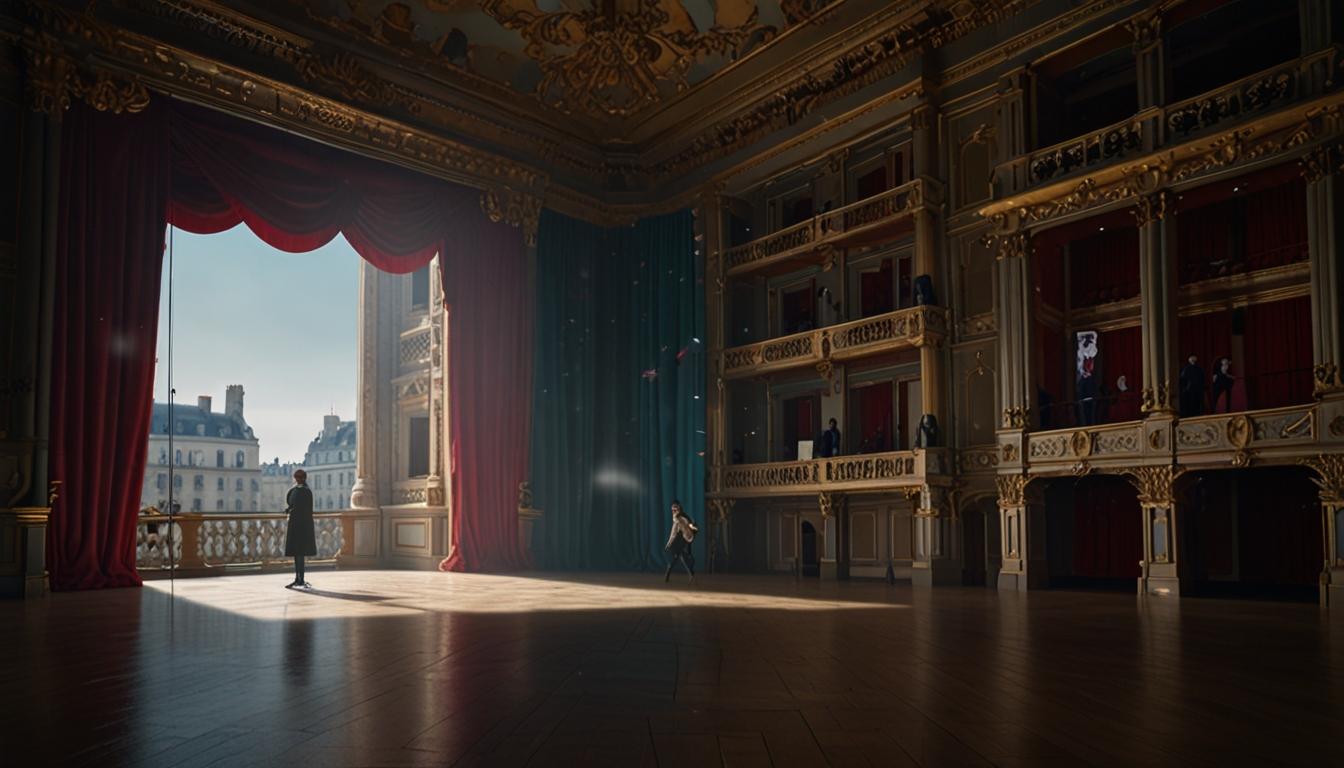
AI Art and the Copyright Conundrum: The Case of Théâtre D’opéra Spatial
In 2022, an image titled Théâtre D’opéra Spatial made headlines when it won a fine art competition at the Colorado State Fair. The piece, created using the AI image generator MidJourney, stirred significant controversy among the artistic community and became central to ongoing debates about the legitimacy and rights surrounding AI-generated art.
Jason Allen, the artist behind Théâtre D’opéra Spatial, submitted his work to the fine art competition, where it secured a prestigious position. However, it turned out that the judges were unaware that MidJourney was an AI tool instrumental in creating the image. The incident sparked outrage among many artists who questioned the fairness of AI art competing in traditional art forums.
The controversy further escalated when Allen sought copyright protection for his piece from the US Copyright Office. The Office ruled that the image could not be fully copyrighted due to the lack of "human authorship," a critical component required for copyright eligibility. They allowed Allen to copyright only the elements he directly edited in Photoshop.
Undeterred, Allen has since launched an appeal against the Office's ruling. He argued that his process, involving "624 iterations" with MidJourney and at least 110 hours of work, constituted significant human effort. He also claimed that unauthorised use of his artwork had cost him “several million dollars” in potential revenue, a grievance that resonates with many traditional artists whose works have been used without consent to train AI models.
In his appeal, Allen’s lawyers posited that guiding the AI to generate the initial image was akin to a film director's creative process, where direction and oversight play crucial roles. IP attorney Tamara Pester commented, “The refusal of the U.S. Copyright Office to recognise human authorship in AI-assisted creations highlights a critical issue in modern intellectual property law. As AI continues to evolve, it is imperative that our legal frameworks adapt to protect the rights of those who harness these technologies for creative expression."
This case is not isolated. In another legal battle, Thaler v. Perlmutter, the courts upheld a decision to deny copyright to an AI-generated work, reinforcing the current legal stance that AI-generated images cannot be copyrighted if they lack substantial human authorship. This legal grey area has discouraged many brands and professional artists from utilising AI-generated images commercially, given that such works are not protectable and can be replicated freely.
Theatre D’Opera Spatial's situation highlights the broader issue art competitions face concerning AI. Judges have not only awarded AI-generated images but have also mistakenly banned real photos, assuming they were AI creations, thereby complicating the adjudication process further.
As AI continues to integrate into creative fields, the balance between innovative technology and traditional artistic values remains delicate. The outcome of Allen’s appeal could be pivotal in shaping the future of AI art within the legal and artistic communities.
Source: Noah Wire Services