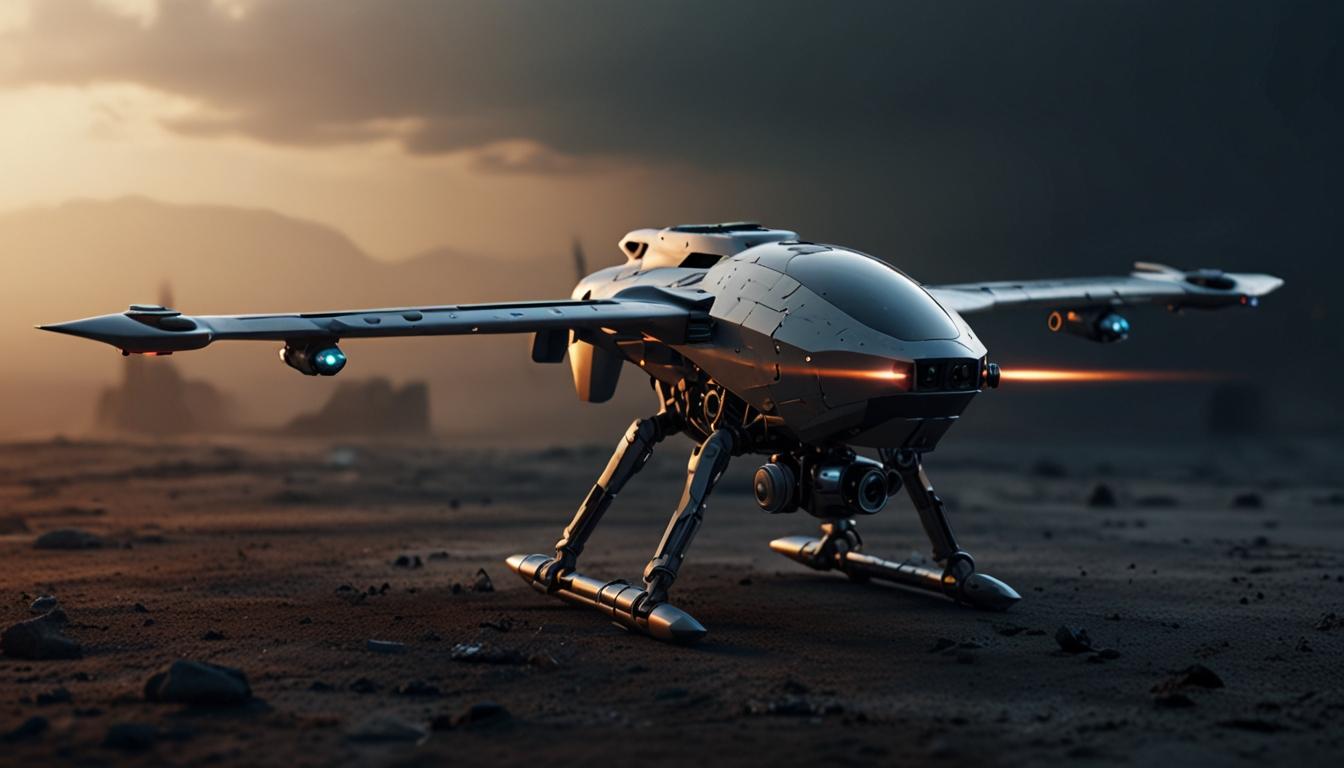
AI Innovations Transforming Military Operations: A Look at Leading Companies and Technologies
The integration of artificial intelligence (AI) in military operations is revolutionising the defence industry, promising enhanced efficiency, accuracy, and potential cost savings in the long term. This technological advancement spans various applications, including intelligence, surveillance, and reconnaissance (ISR) operations, as well as command and control, image and speech recognition, and geo-localisation.
With AI becoming pivotal in military strategy, several companies have emerged at the forefront of this technological revolution, developing cutting-edge solutions tailored to the unique demands of defence operations. Army Technology has identified key players in the military AI sector, offering a comprehensive guide for military executives and technology leaders. This guide provides detailed information on suppliers, their innovative products, and contact details to support purchase or hiring decisions.
Among the prominent companies leading in military AI development are Adarga, Atlas Elektronik, Cylance, FLIR Systems, Palantir, Percepto, Rebellion Defense, Shield AI, SparkCognition, and Veloxiti. These companies are at the vanguard of AI innovation, driving significant advancements in defence capabilities.
Technologies and Systems Pioneering Military AI
L3Harris Technologies is addressing the overwhelming influx of data collected by sensors and aerial vehicles with an AI programme designed to process and analyse this information efficiently. This technology aims to mitigate the data deluge problem faced by military organisations, enhancing decision-making and operational effectiveness.
Lockheed Martin is focused on electronic warfare with its Behavioral Learning for Adaptive Electronic Warfare (BLADE) system. BLADE employs advanced AI to detect wireless communication threats and automatically disable them, providing a robust defensive mechanism against electronic interference and cyber threats.
Northrop Grumman is another key player, offering the Blue Wasp threat detection software. This system utilises machine learning and behavioural algorithms to continuously monitor and detect potential threats. Additionally, Northrop Grumman’s BAT unmanned aerial system (UAS) is engineered for ISR, target acquisition, and communications, underscoring the versatility and strategic value of AI in autonomous systems.
These innovations underscore the transformative potential of AI in military applications, enhancing operational capabilities and strategic advantage. The detailed guide from Army Technology serves as a critical resource for defence industry stakeholders, offering insights into the leading companies and their pioneering technologies that are shaping the future of military operations.
Source: Noah Wire Services