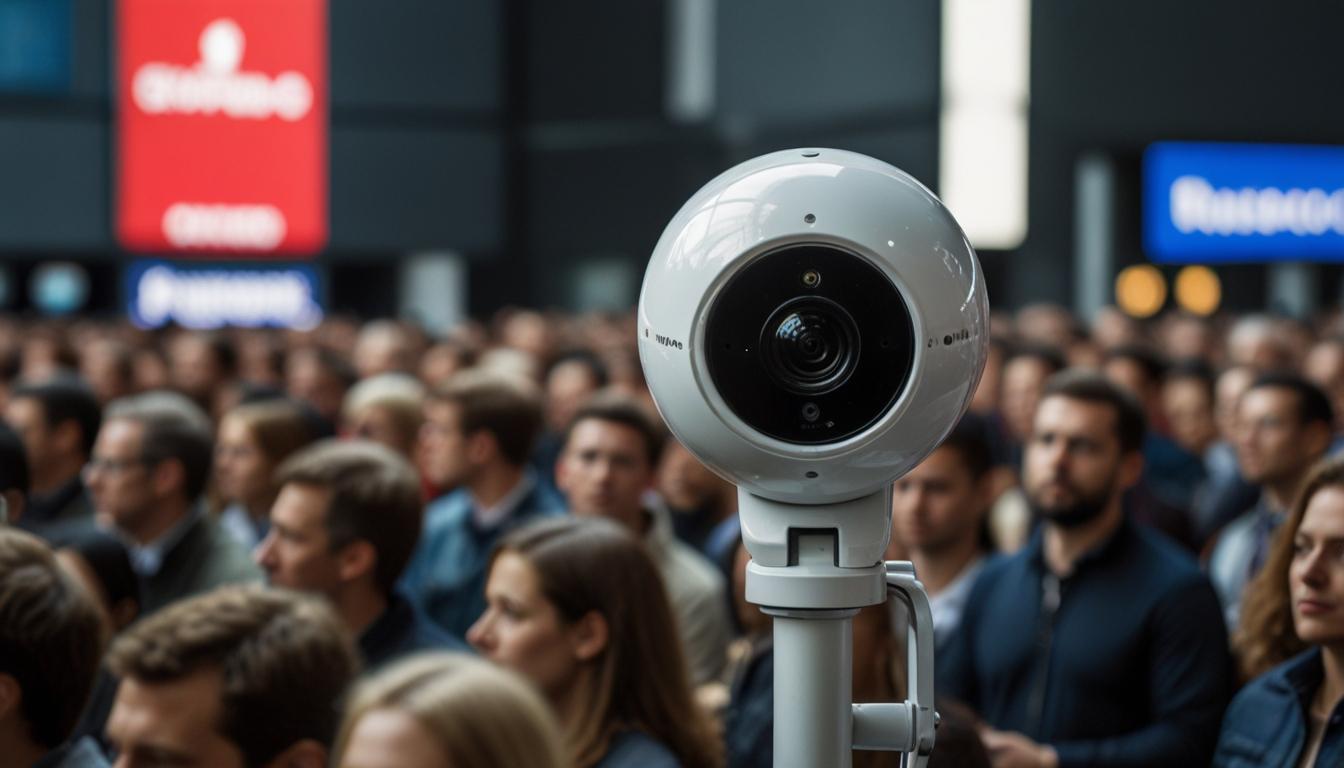
As the United States gears up to host an array of high-profile international events, concerns surrounding security and privacy are coming to the forefront. The 2026 FIFA World Cup, the 2028 Summer Olympics in Los Angeles, and the 2034 Winter Olympics in Salt Lake City are poised to draw massive crowds, necessitating advanced security measures. However, managing these security requirements while adhering to privacy laws presents a significant challenge.
A pivotal aspect of modern security involves the use of Artificial Intelligence (AI)-powered surveillance. The 2024 Summer Olympics in Paris notably featured AI technology in its security framework. The French government had contracts with security firms to employ AI for real-time video analysis, aiming to detect potential threats in public spaces. This cutting-edge surveillance technology uses algorithms to identify predefined “events” such as sudden crowd surges, abandoned objects, specific traffic violations, and the presence of smoke or flames. When such an event is detected, the system issues alerts to human monitors who then decide whether to take action.
Despite its potential, this form of AI-powered surveillance has sparked debate among privacy advocates. They argue that the technology intrusively captures, collects, and analyses physiological features and behaviours, which can be considered personally identifiable information (PII). The implications of privacy laws depend on the operational specifics of the AI system, its objectives, and the nature of the data it collects.
When considering the deployment of AI-powered security systems, several factors must be addressed. These include the volume and type of data being collected, the data’s subsequent handling, and who can access it. Furthermore, the handling of training data, potential error rates, and evidence of bias within the AI systems are critical considerations.
One contentious aspect of AI-powered security is facial recognition technology. This technology's use necessitates compliance with various biometric privacy laws and state-level consumer privacy regulations. States like Illinois, Texas, and Washington have established biometric privacy laws limiting the capture, collection, or disclosure of biometric data without informed consent unless specific exemptions apply. Additionally, comprehensive consumer privacy laws in states like California and Utah categorize biometric information as sensitive, imposing further regulatory considerations for the upcoming sporting events.
Certain exceptions to these privacy laws do exist. For instance, under California's privacy regulations, service providers can handle personal information if it's utilised to safeguard against fraudulent or illegal activities. Similarly, Texas permits the disclosure of biometric identifiers for law enforcement purposes if it is in response to a warrant.
The scope of AI-powered surveillance technologies extends beyond major sporting events; they can also enhance security during concerts and in bustling public transport hubs. However, the ongoing debate on whether AI models involve PII means that privacy lawsuits concerning these technologies are likely to persist as laws and technologies evolve.
As the U.S. prepares for these global events, finding a balance between heightened security measures and stringent privacy protections remains a paramount concern for all involved parties.
Source: Noah Wire Services