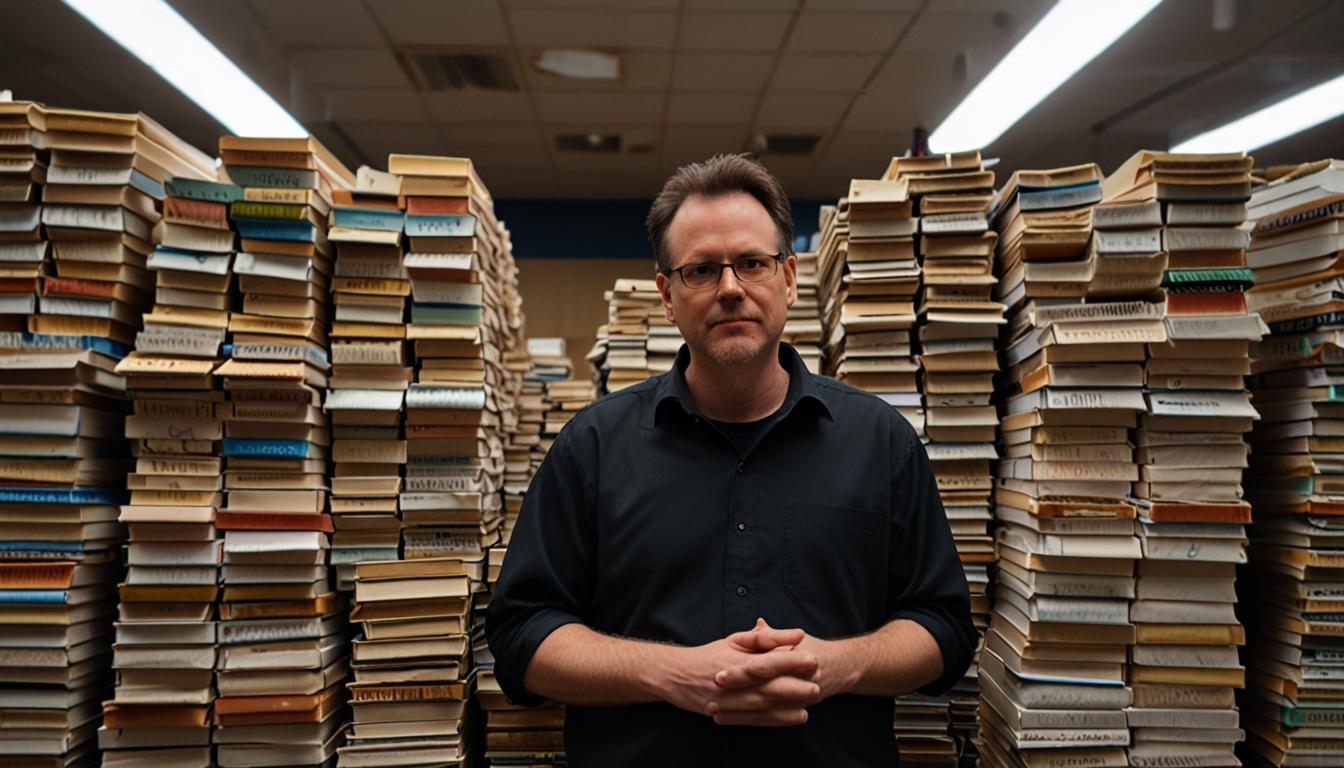
Clarkesworld Magazine Faces Crisis Amid Surge of AI-Generated Submissions
By [Your Name]
Clarkesworld, a prominent online fantasy and science fiction magazine, is grappling with an overwhelming influx of AI-generated submissions, marking a significant challenge in the age of artificial intelligence. The magazine, founded by Neil Clarke, had to take the drastic step of halting submissions entirely by February 2023. This move was prompted by a dramatic increase in low-effort, AI-generated content coinciding with the launch of OpenAI's ChatGPT in late 2022.
Neil Clarke reported a sharp rise in dubious submissions late last year, a trend that only worsened as AI tools became more affordable and accessible. By early 2023, the magazine was receiving nearly as many AI-generated stories as legitimate ones. This situation left Clarke with no other option but to shut down submissions to control the growing deluge of what has come to be known as "AI slop."
The problem transcends Clarkesworld. The Internet is awash with AI-generated content, from fictitious author contributions on reputable websites to fake product reviews and academic papers churned out by language models. Platforms like Amazon have also been besieged by poorly written, AI-generated books, leading to a marketplace brimming with incoherent stories that are crowding out genuine literary works.
This flood of AI-generated content poses a substantial threat to smaller publications like Clarkesworld. These entities, which thrive on human creativity and original ideas, find themselves at risk of being overshadowed by a tide of automated, low-quality submissions.
In an effort to combat this challenge, Clarke, with the assistance of volunteers, managed to create a basic spam filter in the months following the suspension of submissions. While this filter has been temporarily successful in managing the volume of AI-generated content, Clarke acknowledges that it is a temporary fix. “Business as usual won’t be sustainable,” Clarke admitted in a candid blog post titled "A Concerning Trend" in February 2023.
Clarke theorizes that the incentive for submitting AI-generated content likely stems from the influencer economy, where individuals, particularly on platforms like YouTube and TikTok, tout the potential financial rewards of using AI tools like ChatGPT. Clarkesworld pays 12 cents per word for selected submissions, motivating some to exploit AI in hopes of quick rewards.
In addition to the manuscript flood, entire AI-generated websites have surfaced, optimized for search engines to attract clicks and generate ad revenue. Similarly, scammers are taking advantage of Amazon’s marketplace framework, trying to sell barely coherent AI-generated books.
Despite these daunting challenges, Clarke remains optimistic about the resilience of short fiction. “No, it’s not the death of short fiction,” he clarified in his February blog post, addressing concerns in the literary community. However, he acknowledged that the environment of literary publication will become more complex if the issue is not addressed comprehensively.
For the time being, Clarke’s rudimentary spam filter is holding back the tide, but the battle against AI-generated submissions is far from over. The future of literary creativity online depends on how effectively the digital community can adapt to and manage this new wave of automated content generation.
Source: Noah Wire Services