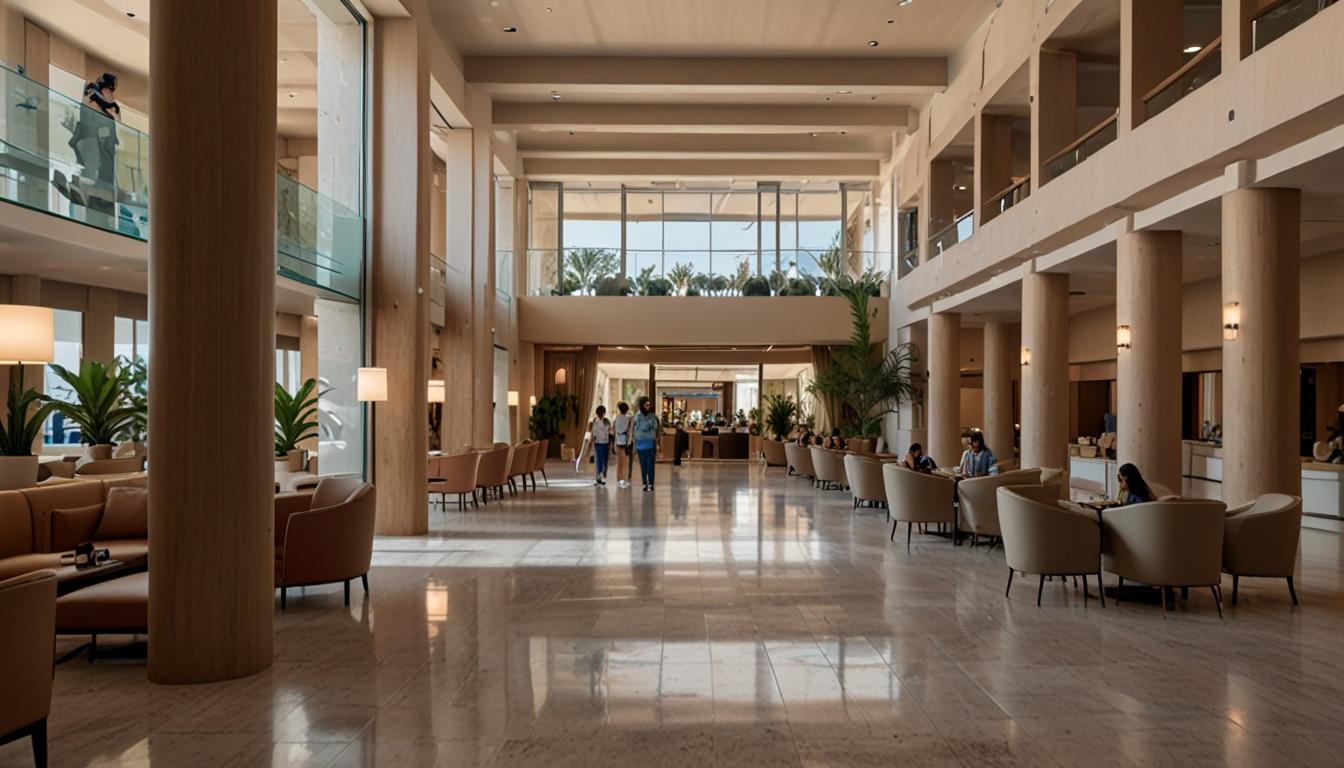
Hotel Industry Grapples with Potential of Generative AI
The hotel industry is currently in a phase of evaluating the potential impacts of generative Artificial Intelligence (AI) on its operations. This topic was a significant point of discussion at the recent Destination AI summit in Washington, D.C., which saw participation from various industry leaders.
Jess Petitt, an executive at Hilton, acknowledged that while the current number of hotel bookings made using generative AI is minimal, the technology holds promise for revolutionising the industry. Nevertheless, this sentiment is not shared universally. Some industry experts remain sceptical about whether generative AI will substantially shift the competitive landscape for hotels. Senior Hospitality Editor Sean O’Neill, who covered the summit, pointed out that hotels that fail to invest adequately in this technology risk falling behind in technological advancements.
Generative AI could potentially streamline operations, personalise guest experiences, and enhance booking efficiency. However, the scepticism largely revolves around the actual readiness and adaptability of the technology in meeting the nuanced requirements of the hospitality sector.
Mallorca’s Hotel Stays Hit Record High Amid Protests
Despite ongoing protests against mass tourism, Mallorca remains a top tourist destination, demonstrating its enduring appeal. In August, the island recorded over 8.5 million overnight hotel stays, the highest among all tourist regions in Spain. Furthermore, Mallorca boasted the highest weekend hotel occupancy rate at 90%.
Global Tourism Reporter Dawit Habtemariam highlighted that even with the significant media coverage of the anti-mass tourism demonstrations, a survey conducted by Mallorca’s tourism board revealed that approximately 90% of American visitors were unaware of these protests. This underscores a disconnect between local sentiments and the awareness levels of international tourists.
The recent influx underscores Mallorca's ability to retain its charm and continues to attract visitors in large numbers, indicating that the protests have had limited impact on its tourism sector.
Southwest Airlines Enhances Revenue Forecast with New Initiatives
Southwest Airlines has adjusted its revenue forecast for the third quarter upwards, driven by robust travel demand. This development was shared during the airline's “Investor Day” presentations in Dallas, as reported by Airlines Reporter Meghna Maharishi.
Southwest now anticipates its revenue per available seat mile to rise between 2% and 3%, an increase from earlier projections. The airline attributes this growth to a surge in travel demand. To further boost its profits, Southwest has introduced strategic measures including the addition of premium seating and red-eye flights.
The airline estimates that the introduction of these premium seating options will generate an additional $1.5 billion in revenue. This move is part of Southwest's broader efforts to enhance its services and tap into varying customer preferences, thereby reinforcing its position in the competitive airline market.
These developments across the travel and tourism sector highlight a dynamic and evolving landscape. As hotel companies explore futuristic technologies like AI, destinations like Mallorca continue to draw crowds despite local dissent, and airlines like Southwest seek new growth opportunities, the industry is poised for ongoing transformation.
Source: Noah Wire Services