Meta Experiments with AI-Generated Content on Instagram and Facebook
In a significant move that could reshape the landscape of social media, Meta, the tech giant owning Instagram and Facebook, is testing the incorporation of custom AI-generated content into user feeds. This development was quietly announced during Meta’s annual AR/VR event, Meta Connect, held earlier this week.
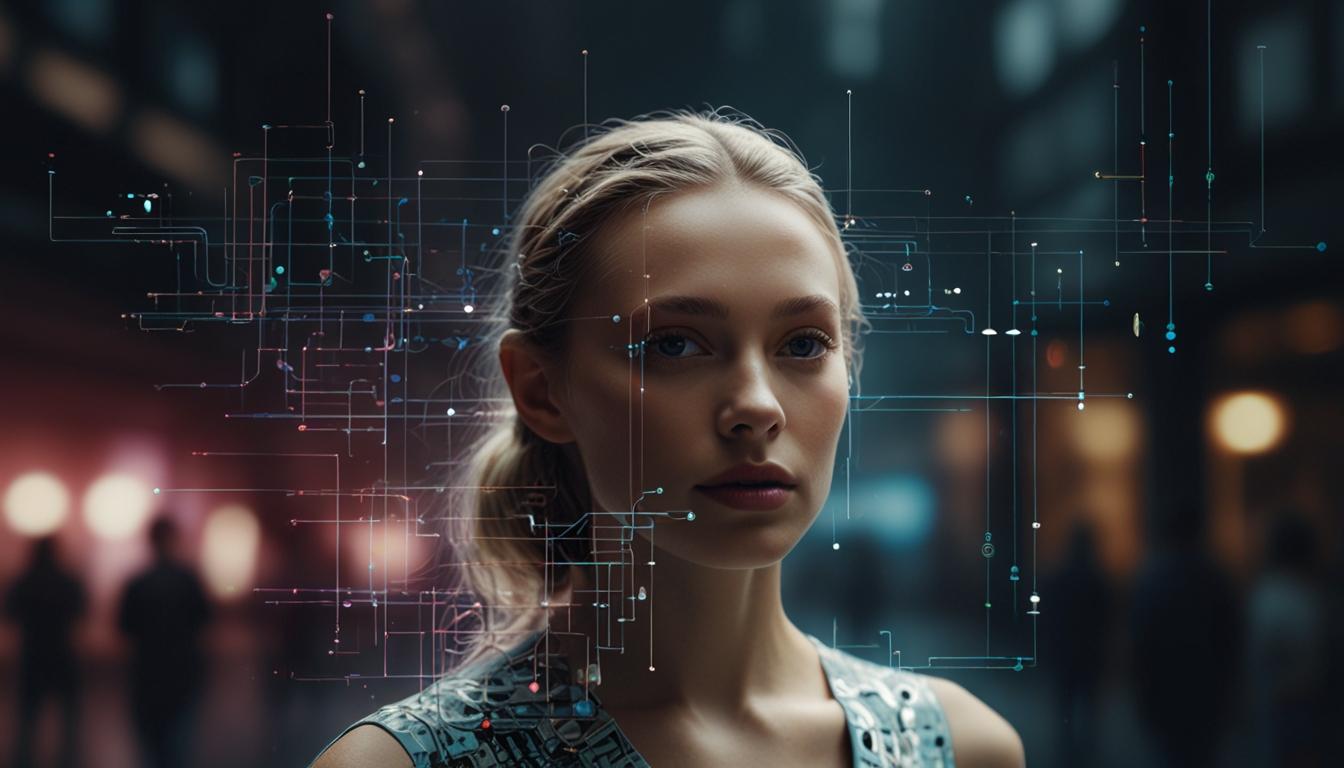
The initiative will see Meta’s AI assistant, aptly named Meta AI, generating photos and other content tailored to users' interests. These AI-created posts may even feature users themselves in various imaginative scenarios, making them “the star of their own story” as envisioned by the company.
Meta disclosed several enhancements to its AI capabilities during the event, including a new voice assistant featuring celebrity voices, improved video dubbing translations, and advanced visual upgrades allowing the AI to interpret and edit user photos. However, the news about integrating AI content into social media feeds was mentioned briefly in a press release and did not feature prominently in the keynote, which has sparked curiosity and concern among users and commentators alike.
Despite the intriguing potential of Meta AI, there are several apprehensions about this new direction. Critics argue that the move could exacerbate existing issues with social media. For instance, the inundation of AI-generated content in user feeds could blur the line between real and artificial imagery, complicating the already challenging task of discerning authentic content. Meta’s previous attempts at labelling AI-generated posts have shown mixed results, with some edited but non-AI generated images mistakenly receiving “AI-generated” labels.
Privacy concerns are also at the forefront. Meta has not yet clarified whether users can opt out of seeing AI-generated posts in their feeds during this testing phase. Furthermore, it is known that users in the US cannot prevent their publicly shared posts from being used to train Meta’s AI models. CNET, the tech publication, reached out to Meta for further clarification but had not received a response by the time of their publication.
Mark Zuckerberg, Meta's CEO, described the integration of AI content into social media feeds as the "next logical jump" for these platforms. However, this perspective is not universally shared. Critics, including those who review AI systems, suggest that the addition of AI-generated content could dilute the user experience rather than enhance it. Users already grapple with feeds filled with random suggestions and advertisements, and the introduction of AI content may further clutter their social media experience.
The change comes as Meta continues to evolve from its original purpose of connecting friends and family. Over the years, social platforms under the Meta umbrella have transitioned considerably, now focusing on new technological integrations and potentially altering the nature of social interaction online.
As the technology and its impact are still at a nascent stage, the exact repercussions of Meta's latest experiment remain to be seen. While some see potential in these advancements, others are wary of the possible implications on the authenticity, privacy, and overall user experience on social platforms.
Source: Noah Wire Services