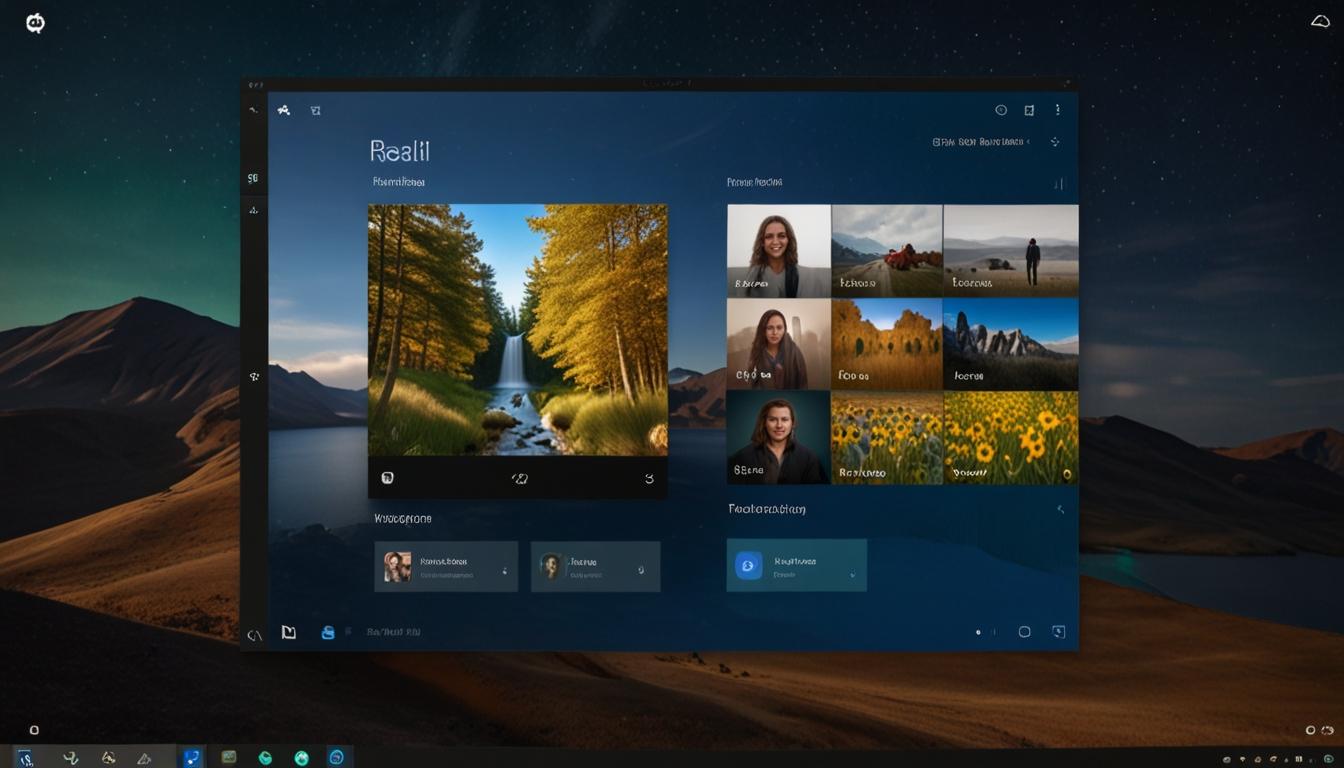
Microsoft Set to Launch Enhanced 'Recall' Feature on Windows 11 in November
Redmond, WA - Microsoft has announced the forthcoming launch of the highly anticipated 'Recall' feature for its Windows 11 operating system. Initially unveiled to widespread concern over privacy and security issues, 'Recall' will make its debut on Copilot+ PCs in November, equipped with numerous enhancements aimed at addressing previous criticisms.
What is 'Recall' and Why the Controversy?
'Recall' is an advanced AI-driven search functionality that uses periodic screenshots, referred to as snapshots, to create a comprehensive record of a user’s activities on their device. This feature raised a significant alarm upon its initial reveal, given the potential for sensitive information to be unintentionally captured and stored.
Security Measures: What's New?
In a recent blog post, David Weston, Microsoft's Vice President of Enterprise and OS Security, elaborated on the refinements being made to ensure 'Recall' meets stringent security and privacy standards. Here's a breakdown of the key measures:
Opt-In Feature: Users will be required to give explicit consent to activate 'Recall'. During the setup process for Copilot+ PCs, users will be presented with a clear option to opt-in. If users do not proactively enable it, 'Recall' will remain inactive by default.
Data Encryption: All snapshots and data related to 'Recall' will be fully encrypted. Additionally, Windows Hello authentication will be mandatory to use the feature, ensuring that only the verified user can access the saved snapshots.
VBS Enclave: 'Recall' will operate within a Virtualization-based Security Enclave, a secure virtual machine that is isolated from the rest of the Windows 11 system. This enclave is accessible only by the user through a decryption key provided via Windows Hello sign-in.
Local Storage: None of the 'Recall' data will be sent to the cloud, mitigating fears of potential data breaches or unauthorised access. This is a critical requirement given the high-powered local processing required for the AI functionality to operate efficiently.
Content Filtering: To address concerns about capturing sensitive information, 'Recall' will automatically filter out passwords, credit card numbers, and other sensitive data. Additionally, users can designate specific applications or websites to be excluded from snapshot capture altogether.
Visual Indicators and Controls: An icon will be visible in the taskbar whenever a snapshot is being saved, allowing users to easily pause the feature if desired.
Next Steps: Testing and Launch
Microsoft plans to reintroduce 'Recall' for testing in Windows Insider builds starting in October. The feedback garnered from this testing phase will play a crucial role in refining the feature before its official release on Copilot+ PCs in November. Given the complexities involved in securing this feature, it remains to be seen whether further adjustments will be required based on user feedback.
Acknowledgment of Initial Missteps
Though Microsoft has made significant strides in addressing the initial privacy and security issues, it acknowledges that the original version of 'Recall' lacked comprehensive protective measures. The company is now committed to ensuring that such critical elements are in place before any public release.
Conclusion
With these redesign efforts, Microsoft aims to alleviate the concerns surrounding 'Recall' and offer users a robust, secure, and optional feature to enhance their Windows 11 experience. For now, the tech community and users alike will be watching closely to see how 'Recall' performs during its testing phase and whether it can meet the high security and privacy standards promised by Microsoft.
Source: Noah Wire Services