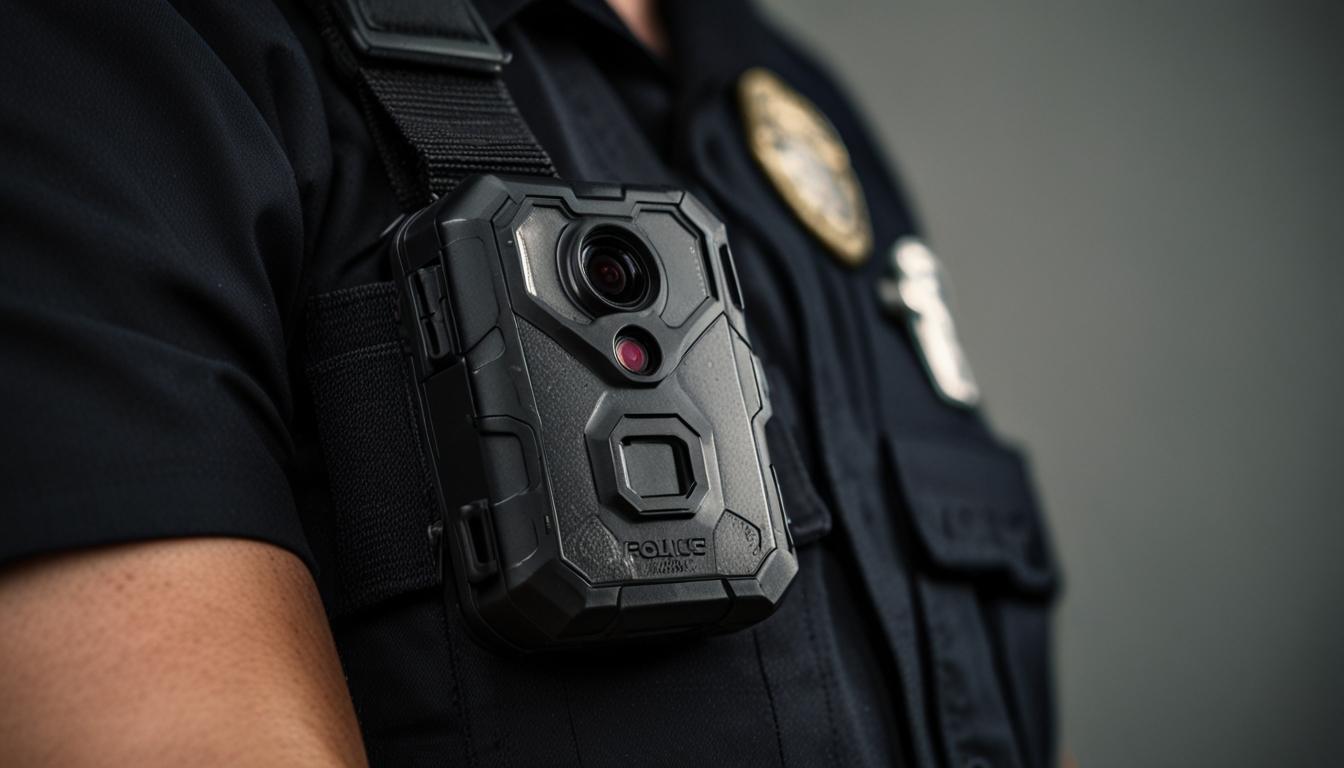
Over the past decade, police use of body cameras has transitioned from a rarity to standard practice across many law enforcement agencies. This shift was largely catalysed by a series of widely publicised incidents involving allegations of police misconduct in the mid-2010s, which sparked significant political pressure and public outcry for greater police accountability.
The initial belief driving the adoption of body cameras was that they would act as a deterrent against the use of excessive force by police officers and provide clear evidence in cases of alleged misconduct. For example, a 2014 pilot programme in Orlando, Florida, found promising results, with a 53% reduction in use-of-force incidents and a 65% reduction in civilian complaints.
However, the overall efficacy of body cameras remains a subject of debate within law enforcement and academic circles. A large-scale study conducted in Washington, D.C., in 2017 did not find any significant impacts of body cameras on the behaviour of police officers, indicating that the presence of these devices may not automatically lead to better outcomes in every context.
Despite these mixed findings on their effectiveness in curbing police abuse, body cameras have been embraced by law enforcement agencies for a variety of reasons. According to the Bureau of Justice Statistics (BJS), police and sheriff’s departments cite several benefits of body cameras, including improved officer safety, enhanced quality of evidence, reduced civilian complaints, and decreased agency liability.
The use of body cameras has become an entrenched component of police practice, reflecting a broader trend towards increased surveillance and documentation in law enforcement. Proponents argue that body cameras provide an objective record that can clarify disputed incidents, thus protecting both civilians and officers. Critics, however, caution that body cameras alone are not a panacea for complex issues related to policing and community trust.
As body camera technology continues to evolve, ongoing research and debate are likely to shape their future role in law enforcement. For now, they stand as a testament to the ways in which technological solutions are being sought to address profound societal and institutional challenges.
Source: Noah Wire Services