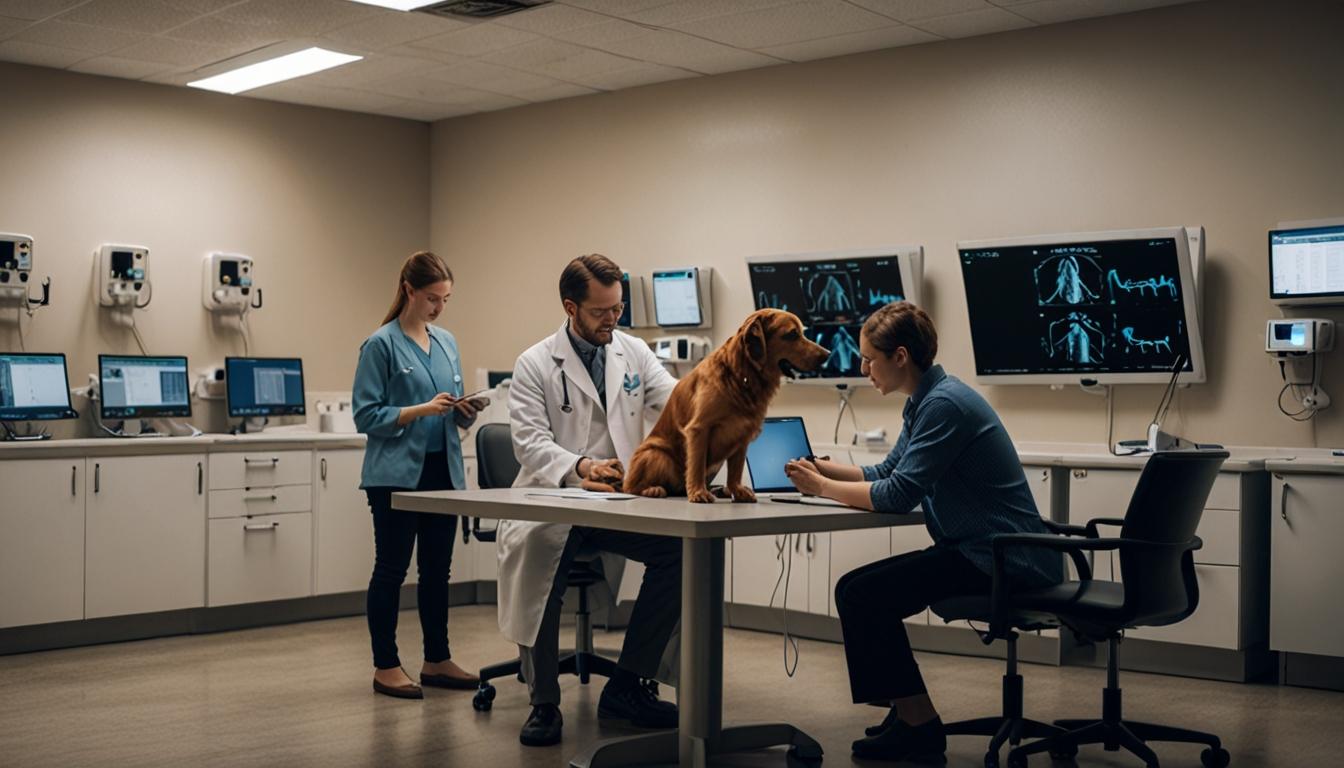
Veterinary Practices Embrace AI Tools to Combat Administrative Burden
In an era where veterinary practitioners face heightened client expectations, acute labour shortages, and significant economic pressures, the role of technology in mitigating stress is becoming increasingly indispensable. The intricacies of managing comprehensive documentation—exacerbated by stringent legal and regulatory requirements—often lead to professional burnout among veterinarians. However, a new wave of artificial intelligence (AI) technologies promises to alleviate these pressures by transforming how documentation is handled in veterinary practices.
AI tools, particularly AI copilots, assistants, and scribe tools, are being hailed for their potential to save valuable time and improve the accuracy and quality of records. While these tools are not flawless, their benefits are rapidly becoming evident, positioning them as crucial aids in modern veterinary practice.
Understanding AI Scribe Tools
AI scribe tools are advanced software systems designed to transcribe and organise examination room recordings into coherent medical records. Utilising natural language processing, these tools convert spoken words into structured medical reports, significantly reducing the time veterinarians spend on documentation.
Beyond simple transcription, the more advanced AI copilots or assistants offer functionalities such as summarising complex medical histories and drafting client communications. These comprehensive tools support a range of documentation needs, increasingly becoming vital in veterinary practices.
However, it is essential to note that AI tools currently cannot make clinical decisions or inferences. Hence, providing relevant information to the software is crucial to ensure high-quality results.
Application of AI in Veterinary Practices
AI tools excel in specific functions within a veterinary practice. For instance, a scribe tool can distil extensive and intricate discussions between veterinarians and clients into concise medical records. Adopting these tools often involves verbalising parts of the physical examination and the resultant assessments which can enhance both AI-generated records and client comprehension.
Considerations in Choosing AI Tools
When selecting AI tools for veterinary practices, several key factors should be evaluated:
- Context
Providing sufficient context is critical for the effective use of AI tools. Detailed and organised clinical recordings ensure comprehensive and accurate medical records. Customising instructions for the AI systems to prioritise specific information can significantly improve the generated records.
- Audio Quality
High-quality audio is essential for transcription accuracy. While smartphone microphones are generally adequate, investing in a high-quality external microphone is advisable, particularly as some AI software companies offer them at no extra charge.
- Multiple Input Methods
Flexibility in input methods enhances the efficiency and versatility of AI tools. Platforms that accept various input formats, such as text-based PDF files and audio recordings, cater to different working styles and personal preferences, integrating all relevant information into cohesive patient records.
- Customisability
Each veterinarian has unique documentation habits. Customisable AI platforms that allow for personalising templates, setting preferences for information presentation, and output formats can result in more useful and relevant records.
- Team Collaboration
AI platforms supporting team collaboration can streamline operations and ease workloads. Involving support staff in the record generation process allows veterinarians to focus more on patient care, enhancing overall efficiency.
Other Crucial Considerations
Consent for Recordings
Incorporating AI involves capturing sensitive personal information, necessitating proper client consent for recordings. Informing clients about the use of recordings and obtaining explicit consent, either written or recorded, is vital for maintaining ethical standards and trust.
Final Review and Responsibility
Despite AI capabilities, veterinarians retain the final responsibility for record accuracy. Reviewing AI-generated records ensures complete and accurate documentation, reflecting the patient's condition and treatment plan correctly. This also offers an opportunity to optimise the AI system for future use.
Addressing Concerns
Data privacy and job displacement concerns surface with AI integration. Ensuring robust data security measures and ethical practices from AI platforms is essential for maintaining client trust and compliance. Seeking clear policies from AI companies can provide insights into their commitment to these crucial issues.
Conclusion
As supportive tools, AI technologies offer substantial time savings and benefits, enhancing record accuracy, patient care quality, and personal well-being. While AI tools are not perfect, they provide significant advantages that promise to increase with ongoing technological advancements.
Embracing AI tools thoughtfully can transform veterinary care delivery, streamline workflows, reduce stress, and foster a better work-life balance. By viewing AI as an essential partner, veterinarians can navigate the complexities of modern practice with greater ease and efficacy.
Dr. Mike Mossop, DVM, Chief Veterinary Officer at CoVet, has integrated his passion for veterinary medicine and technology to enhance practice efficiency and patient care. With over 15 years of clinical experience, including emergency, general, and mobile practice, Dr. Mossop continues to advocate for the beneficial integration of AI in veterinary practices.
Source: Noah Wire Services