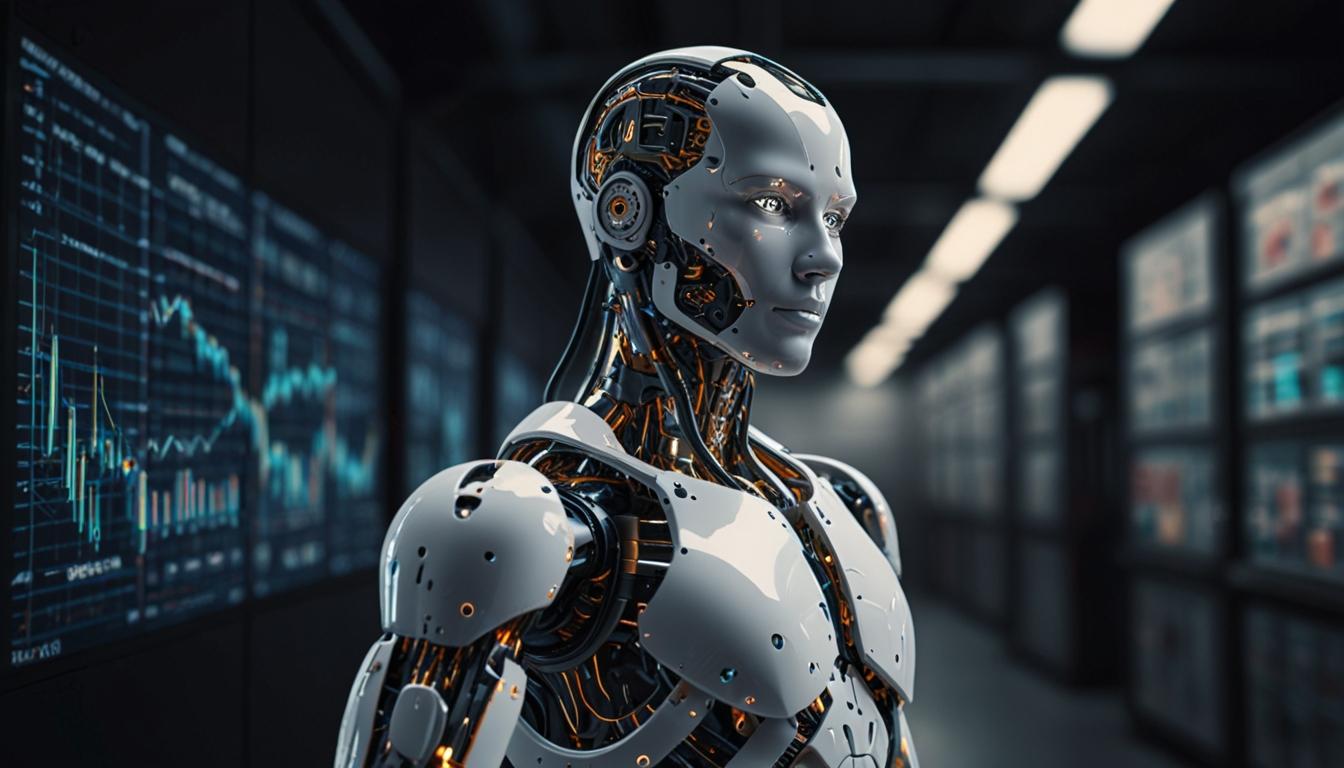
AI & Machine Learning Transform Supply Chains, Elevating Key Competencies
The global adoption of advanced technologies such as Artificial Intelligence (AI) and Machine Learning (ML) has been transforming supply chains over the past few decades. This adaptation not only increases efficiency but also enhances resilience and adaptability, marking a significant shift in how supply chains operate.
Understanding AI and ML in Supply Chains
Artificial Intelligence (AI) and Machine Learning (ML) represent the core of many automated processes in modern supply chains. AI involves simulating human intelligence in machines, allowing them to perform tasks such as decision-making, speech recognition, and visual perception. ML, a subset of AI, empowers computers to learn from data autonomously, refining their processes without explicit programming.
The integration of AI and ML can be observed in various facets of the supply chain:
Demand Forecasting: By analysing vast data sets including historical sales, social media trends, and economic indicators, AI and ML can predict future demand. This capability helps businesses maintain optimal stock levels, preventing both shortages and excesses.
Inventory Management: ML monitors stock levels and product movement, aiding warehouse management. AI tools can also trigger automatic replenishment orders as inventory depletes.
Supply Chain Visibility: AI-powered platforms offer real-time insights into the movement of goods, facilitating the identification of bottlenecks and proactive risk management.
Logistics and Transportation: AI evaluates factors like traffic, fuel prices, weather conditions, and route efficiencies to suggest optimal delivery routes. This is particularly beneficial for the cost-intensive last-mile delivery stage.
The Significance of Supply Chain Competencies
While AI and ML provide powerful tools, their effectiveness is contingent on the competencies within the supply chain workforce. These technologies need to be implemented, managed, and continuously improved by professionals knowledgeable in both technical and operational aspects.
Key competencies that supply chain professionals should possess include:
Technical Understanding: Knowledge of how AI and ML work and their application in solving supply chain issues.
Data Literacy: Proficiency in gathering, cleaning, and understanding data to make informed decisions.
Automation Knowledge: Ability to leverage automation effectively to enhance supply chain efficiency.
Cross-Functional Collaboration: Working well with other departments to integrate AI seamlessly with the company’s overall strategy.
Strategic Problem-Solving: Tackling challenges that arise from using AI and ML.
Risk Management: Preparing for potential risks to maintain a smooth-running supply chain.
Continuous Learning: Keeping up-to-date with the latest advancements in AI and ML.
Preparing the Workforce for AI and ML
For businesses to maximise the benefits of AI and ML, significant investment in training staff is essential. This can be achieved through:
Specialised Training Programs: Focusing on AI, ML, and data analytics to empower staff and reduce reliance on external consultants.
Creating Cross-Disciplinary Teams: Encouraging collaboration between supply chain professionals, IT, AI specialists, and data scientists to solve complex issues.
Promoting a Data-Driven Culture: Fostering a culture where data insights drive decision-making, necessitating a shift in staff mindset.
Enhancing Soft Skills: Developing communication and problem-solving skills to manage AI-driven projects effectively.
Conclusion
AI and ML have transitioned from futuristic concepts to integral components transforming supply chains. The successful implementation of these technologies hinges not only on the technological tools themselves but significantly on the competencies of the team managing them. The future of supply chains will be shaped by how well companies develop these competencies to remain competitive and adaptable in the digital era. Success will come to those who embrace continuous learning, collaborative efforts, and strategic application of AI and ML.
Source: Noah Wire Services