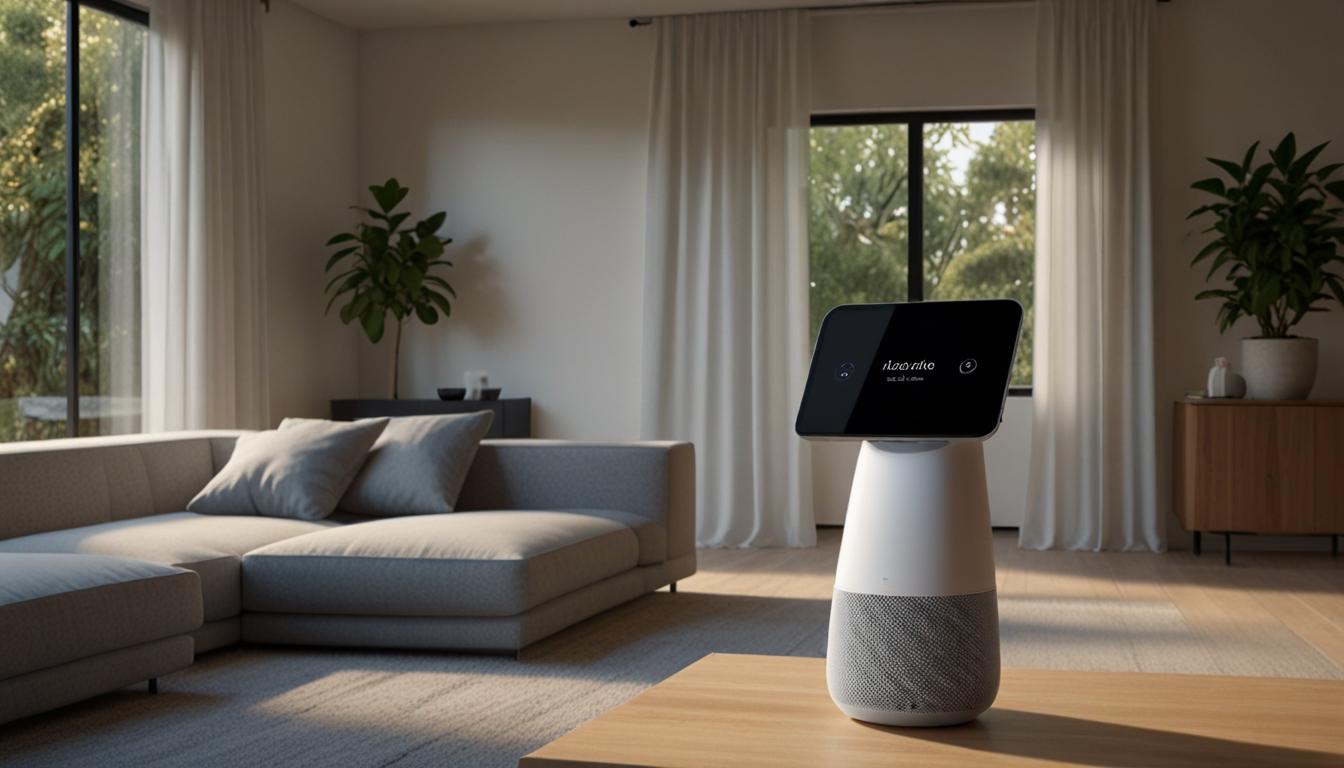
Apple to Unveil Integrated Smart Home Device in 2025: A Fusion of iPad, Apple TV, and HomePod
Cupertino, California, - Apple Inc. is preparing to break new ground in the smart home market with a sophisticated device that integrates features from its iPad, Apple TV, and HomePod products. Slated for a 2025 release, these new offerings are powered by Apple's innovative homeOS, a system crafted to streamline and simplify home management.
The initiative draws heavily on Apple's hallmark design principles: simplicity, usability, and seamless integration into daily life. This new device aims to enhance home automation, offering users an intuitive and familiar experience, especially for those already engaged with Apple's ecosystem. The models will facilitate essential activities such as FaceTime calls, managing smart home gadgets, and using various apps without the complexity often associated with smart home devices.
A notable feature is Apple’s emphasis on practicality. The interface is designed to be clean and intuitive, eschewing unnecessary complexity. This approach ensures the device can easily integrate into users' routines without requiring a steep learning curve. This aligns with Apple’s goal of creating technology that enhances everyday life seamlessly.
For consumers seeking an elevated experience, Apple is introducing a premium model that features a robotic arm. This arm automatically tilts and adjusts the screen to provide an optimal viewing angle, allowing for hands-free operation. Whether on a FaceTime call or following a recipe while moving about in the kitchen, this functionality ensures the device is adaptable and user-friendly. This feature showcases Apple's dedication to designing technology that responds to user needs rather than demanding constant manual adjustments.
Central to this push is the homeOS, Apple's tailored operating system for smart home management. The system extends the functionality seen in the iPhone and iPad, but with a specific focus on automating and optimising household tasks. By learning user habits, homeOS can automate processes like lighting and temperature control, creating an environment that adjusts to individual routines.
Design features of the new models further highlight Apple’s commitment to user-centric functionality. One model includes a magnetic mount, allowing the device to be easily placed on walls or tables as the situation requires. This flexibility ensures the device adapts to diverse home settings without necessitating significant changes to the user’s living space. The premium model’s robotic arm enhances this adaptability, ensuring convenience and ease of use.
Apple's strategy in the smart home sector builds on its established ecosystem. The new device is designed to integrate seamlessly with other Apple products, such as iPhones, Macs, and Apple TV. This interoperability means users don’t have to navigate new systems or workflows, reinforcing Apple’s reputation for creating cohesive user experiences. For those unfamiliar with Apple's ecosystem, the device remains user-friendly and accessible.
As the anticipated 2025 launch approaches, Apple’s vision for the smart home emphasises a natural, intuitive approach to automation. The focus is on thoughtful, functional design rather than an array of features. Whether through the adaptive magnetic mount or the premium robotic arm feature, Apple’s new smart home device is built to enhance the consumer's life by offering significant ease of use and integration.
By merging practical design with advanced automation features, Apple is poised to make a significant impact on how smart homes are managed and experienced.
Source: Noah Wire Services