Israel Expands Offensive with Strikes in Beirut and Beyond
Beirut, Lebanon: In a significant escalation, Israel has struck central Beirut for the first time within the last year of fighting. The overnight airstrike obliterated an apartment building in the Kola bridge area, killing three leaders of the Popular Front for the Liberation of Palestine (PFLP), a group designated as a terrorist organisation by the US, EU, and UK.
Beirut's Vulnerability Exposed
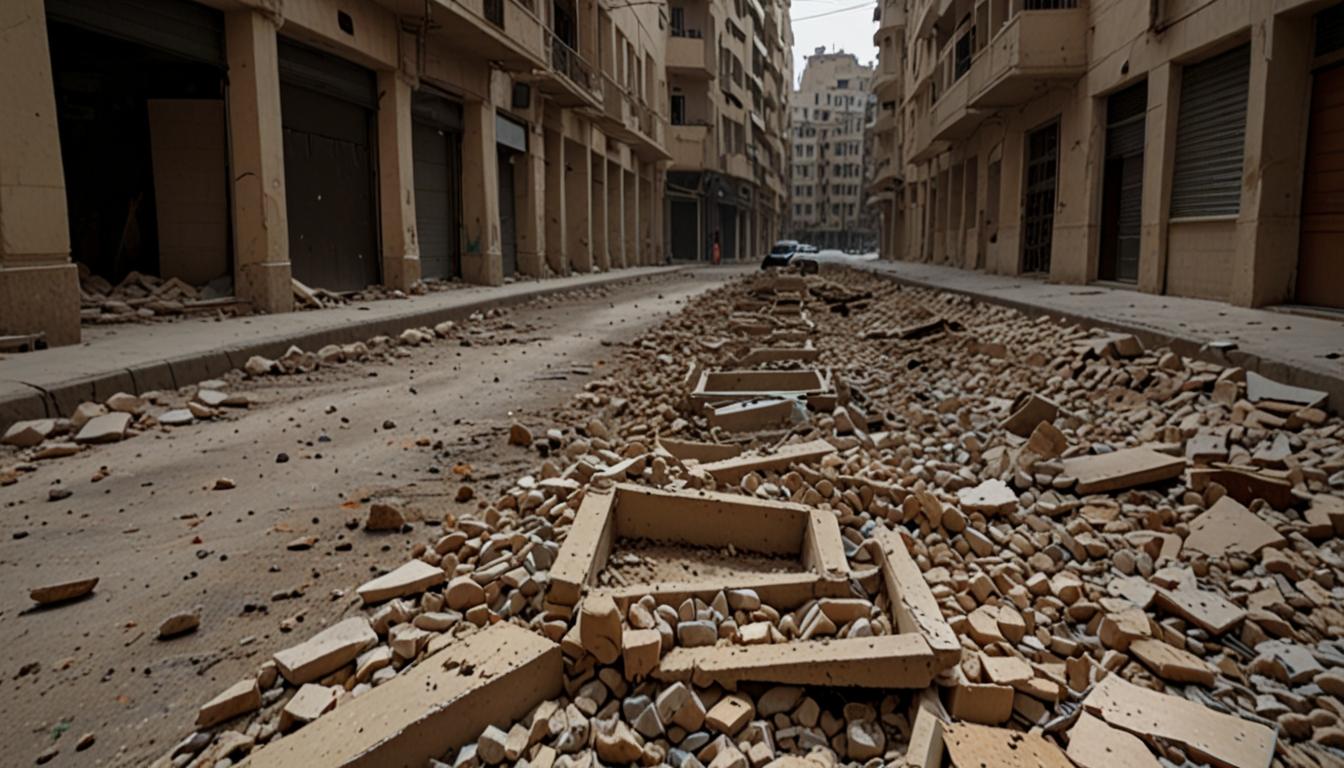
The latest attack marks the first deep incursion into the Lebanese capital since the 2006 war between Israel and Hizbollah. It follows several days of intensified Israeli operations targeting Hizbollah's strongholds in the southern suburbs of Beirut. Among those killed in these earlier strikes were top commanders of the Iranian-backed Hizbollah militant group, including the group's notable leader, Hassan Nasrallah. Videos from the scene in central Beirut depict streets filled with rubble as emergency responders worked through the night.
Expanding the Theatre of War
The escalation is not limited to Lebanon. The Israeli Defence Forces (IDF) have widened their offensive to target multiple fronts across the region. The Bekaa Valley in eastern Lebanon witnessed continued Israeli strikes on Hizbollah assets. Furthermore, Israeli jets attacked key locations in Yemen, focusing on power plants, ports, and infrastructure in Hodeidah and Ras Issa, areas controlled by the Houthi rebels. This was in reaction to recent Houthi missile launches intercepted over central Israel.
Rising Casualty Numbers
In just the past fortnight, over 1,000 individuals have perished due to the conflict in Lebanon alone, according to the Lebanese health ministry. Notably, more than 100 people lost their lives on a single Sunday. The toll includes a Hamas leader in Lebanon, who was killed in an Israeli attack on a Palestinian refugee camp near Tyre, southern Lebanon.
Statements from Leaders
Israeli Prime Minister Benjamin Netanyahu asserted that the country is on a mission to "change the balance of power" in the Middle East. He promised to persist with strikes against Hizbollah and its allies until displaced Israelis can safely return to their homes. Meanwhile, US President Joe Biden expressed his intention to discuss the matter with Netanyahu, hinting at efforts to avoid a broader conflict in the region.
Strategic Implications
Expert commentators suggest that Israel's military actions are leveraging advanced AI-enhanced intelligence to dismantle Hizbollah's capabilities comprehensively. The group's communication networks and missile sites have been devastated, with many of its second-tier leaders also eliminated.
This military campaign comes amid apparent signs of weakness from Tehran. Despite strong rhetoric supporting regional militias, Iran has refrained from substantial military intervention. Observations suggest that Iran is prioritising lifting international sanctions over getting entangled in a conflict on Hizbollah's behalf.
Potential Hizbollah Response
Contemplating Hizbollah's response, analysts highlight the group's remaining precision missiles, which potentiate significant retaliatory strikes against Israeli cities. However, the strategic calculus behind deploying these missiles remains unclear, especially if their use is subject to Iranian directives.
There is also speculation about a potential resurgence in international terrorism. The loss of senior leaders like Nasrallah could foster the emergence of more radical factions, similar to how ISIS emerged in the power vacuum in Iraq and Syria.
Political Dynamics and Future Prospects
Amidst these developments, Israel's domestic politics, which have shifted towards the right under Netanyahu's leadership, complicate prospects for a political resolution. The current Israeli administration appears committed to a military approach rather than engaging in negotiations. Meanwhile, US influence in mediating peace efforts in the Middle East wanes, with the current administration facing its own domestic and international challenges.
Regional Actors
The Syrian regime, traditionally a significant player in Lebanese affairs, remains relatively subdued. Bashar al-Assad's government, weakened by years of civil war, has not exerted the influence his father once held. Nevertheless, Syria continues its alliance with Iran and Hizbollah, providing crucial logistical support.
With the complex interplay between regional actors and international powers, the Middle East stands at a pivotal juncture, with the potential for further escalations or a shift towards fragile stability based on military dominance. The implications of Israel's intensified offensive will undoubtedly reverberate across the region for some time.
Source: Noah Wire Services