Mark Cuban Critiques AI, Praises Canines for Adaptability
Silicon Valley, California – October 2023
Billionaire investor Mark Cuban has recently posited an intriguing comparison, suggesting that smart puppies might trump artificial intelligence (AI) in quick adaptability and situational awareness. This juxtaposition arose during an interview with Wired's Lauren Goode, where Cuban scrutinized generative AI's current capabilities in contrast to a dog’s instinctive intelligence.
In an eye-catching hypothetical scenario, Cuban questioned whether one would trust a seeing-eye dog or a self-driving car more to guide a blind person three blocks. His unequivocal preference for the dog highlights a broader skepticism towards the trustworthiness of current AI technologies. “A dog can sense issues,” Cuban elaborated, pointing out that a self-driving car lacks the ability to understand and react to adversarial situations.
This sentiment echoes prevalent public concerns. A recent Forbes Advisor survey conducted by OnePoll found that 93% of Americans are wary of self-driving cars, with safety and potential technology malfunctions being the primary worries. Despite advancements in automated driving technology, smart vehicles still grapple with unpredictable, real-world conditions, often leading to malfunctions and halting behaviour when faced with uncertainties. This has been evidenced by the 22 reported accidents involving Waymo cars that are now under investigation by U.S. regulators, as they struggle with tasks such as navigating traffic signs and avoiding stationary objects.
Waymo, originally the Google Self-Driving Car Project, has been incrementally rolling out its self-driving technology over the last 15 years. The service clocked 50,000 weekly rides in cities like Los Angeles, Phoenix, and San Francisco. However, this gradual success is peppered with significant operational challenges and scrutiny from both the public and regulatory bodies.
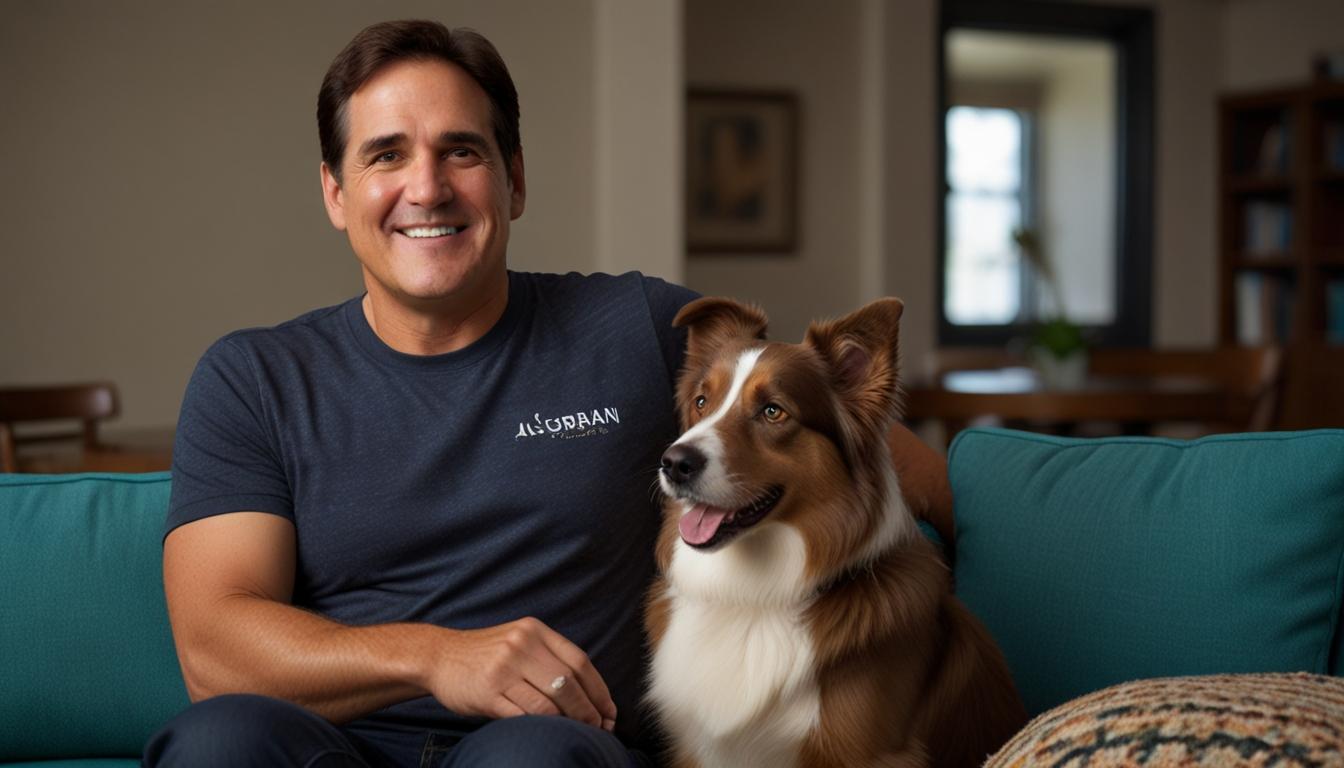
In stark contrast, Cuban extols the natural adaptability of his mini Australian shepherd, Tucks. “I can take Tucks and just drop him in a situation, and he’ll figure it out quick,” Cuban asserts. He contrasts this with the rigidity of AI, underscoring its inability to adapt spontaneously. “I take a phone with AI and show it a video; it’s not going to have a clue. And I don’t think that’s going to change for a long time,” he forecasts, estimating it could take at least a decade for AI to develop such nuanced intuitive capabilities.
Despite his candid criticism, Cuban acknowledges the escalating race among investors and executives to harness AI's potential. This technological arms race, he believes, is crucial for maintaining military and economic supremacy. “Our military dominance, our place in the world depends on our ability to invest in AI. Period. End of story,” he emphatically stated in a CNBC interview.
Interestingly, Cuban's views on AI appear multifaceted. While he is critical of its current applications, particularly in self-driving cars, he also participated in an advertisement for Google’s Gemini AI feature. He clarified to Goode that this involvement was merely to promote another of his ventures—Cost Plus Drugs—and does not reflect an unreserved endorsement of AI advancements.
Cuban remains skeptical of the long-term hype surrounding companies like OpenAI but foresees a future where AI models could become ubiquitous and economically accessible. The debate between AI’s utility and adaptability is ongoing, and for now, Cuban asserts a dog's wisdom still outstrips that of AI, encapsulating his belief with the phrase, “Because wisdom doesn’t come with text.”
The dialogue around AI continues to evolve as both its promises and shortcomings come into sharper focus. As stakeholders weigh in, these contemplations underscore a critical reflection on the readiness and ethical implications of integrating AI into everyday life and high-stake sectors.
—End of Article—
Source: Noah Wire Services