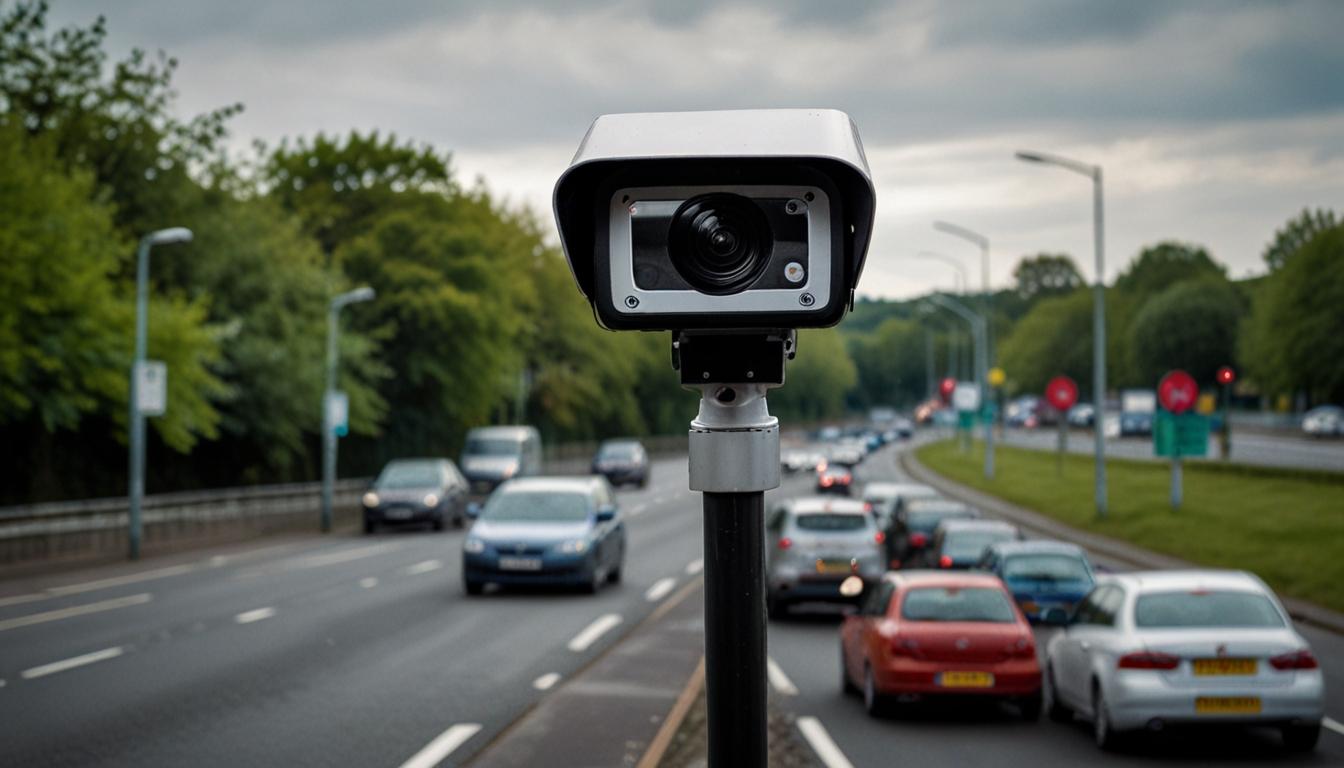
A new wave of artificial intelligence-driven security cameras is making its way across the United Kingdom, inciting a spectrum of reactions from the public. These cameras, which provide law enforcement with the capacity to see inside vehicles, detect speeding offences, illegal mobile phone use while driving, and improper seat belt usage, have sparked significant debate around privacy and technology in policing.
A national trial has recently commenced following a smaller, yet successful trial earlier in 2023. During this initial phase, 300 drivers were caught breaching road laws within just the first three days of operation. The cameras are integrated with UK police and the DVLA databases, enabling simultaneous checks on vehicle tax and insurance, potentially exposing drivers to multiple fines and penalties from a single infraction.
While the practicality and effectiveness of the technology are heralded by some, it has also faced substantial criticism, particularly regarding privacy concerns. In a study conducted by the used car dealership Big Motoring World, which surveyed 2,000 individuals across the UK, varying opinions on the cameras emerged. Alarmingly, 67% of participants aged between 25 to 34, the millennial age group, described the technology as "ridiculous."
Interestingly, 49% of those surveyed overall conceded that the cutting-edge surveillance was justified, highlighting a divide in public opinion. A quarter of respondents indicated that they might alter their driving habits or the routes they take to avoid potential pitfalls. However, 56% of those surveyed admitted they would likely maintain their current driving behaviour despite the advent of this new monitoring technology.
Ian Hajyzamanali, the Head of Marketing at Big Motoring World, commented on these divisive perspectives, noting the clash between privacy concerns and safety regulations. He emphasized the necessity for clearer public communication as the cameras are rolled out, remarking, "There needs to be a clearer communication plan for the roll out of these, so drivers are fully aware.”
Dissatisfaction with the surveillance cameras is particularly pronounced in certain UK cities. The survey found that residents in Belfast, Bristol, and Sheffield feel especially aggrieved, with 76%, 59%, and 57% respectively viewing the cameras as an invasion of privacy.
As the national trial progresses, the debate continues over the balance between technological advancements in monitoring and the protection of individual privacy rights. The outcome of this trial may play a crucial role in shaping the future landscape of road safety and privacy rights in the UK.
Source: Noah Wire Services